
So, you’re trying to figure out what’s best for your gut, right? It seems like everyone’s talking about probiotics, whether it’s in a capsule or from fermented foods. But what’s the real difference between probiotics vs fermented foods, and which one actually makes sense for your budget and your belly? Let’s break it down.
Key Takeaways
- Fermented foods like yogurt, kimchi, and sauerkraut naturally contain probiotics, which are live beneficial bacteria that can support gut health.
- While probiotic supplements offer a concentrated dose of specific strains, whole fermented foods provide a broader range of nutrients and beneficial compounds.
- Introducing fermented foods gradually is important to avoid potential digestive upset like gas or bloating.
- Probiotic supplements aren’t regulated by the FDA in the same way as medications, so choosing reputable brands is key.
- For many people, focusing on a diet rich in diverse fermented foods offers a cost-effective and nutrient-dense way to support gut health, though supplements may be recommended in specific situations.
Understanding Probiotics vs Fermented Foods
Okay, so you’ve probably heard a lot about probiotics and fermented foods lately, especially when it comes to gut health. It can get a little confusing trying to figure out what’s what, and honestly, they’re not exactly the same thing, though they’re closely related. Let’s break it down.
Defining Probiotics: Live Microorganisms for Gut Health
Think of probiotics as the actual beneficial bugs – the live microorganisms, like bacteria and yeasts, that can give your gut a helping hand. When you consume them, they can add to the good guys already living in your digestive system, which collectively make up your microbiome. These aren’t just any old microbes; they’re the ones that, when taken in adequate amounts, can offer health benefits. They’re often found in supplements, but also naturally in certain foods.
What Are Fermented Foods?
Fermented foods are basically foods that have gone through a process called fermentation. This is an ancient method where microorganisms, like bacteria and yeast, break down components in food, like sugars and starches, into other compounds. This process not only preserves the food but also creates unique flavors and textures. Many fermented foods naturally contain probiotics as a result of this process. Examples include yogurt, sauerkraut, kimchi, kefir, and kombucha.
The Symbiotic Relationship Between Fermentation and Probiotics
So, how do they connect? Fermentation is the process, and probiotics are often the result. During fermentation, the very microorganisms that cause the fermentation are the ones that can act as probiotics. It’s a bit of a symbiotic relationship. However, it’s important to note that not all fermented foods are guaranteed to be teeming with live probiotics by the time they reach you. Things like pasteurization or using vinegar instead of natural fermentation can kill off those beneficial microbes. That’s why looking for labels that mention "live and active cultures" or making your own can be a good idea if you’re specifically after the probiotic benefits from food.
Exploring Probiotic-Rich Fermented Foods
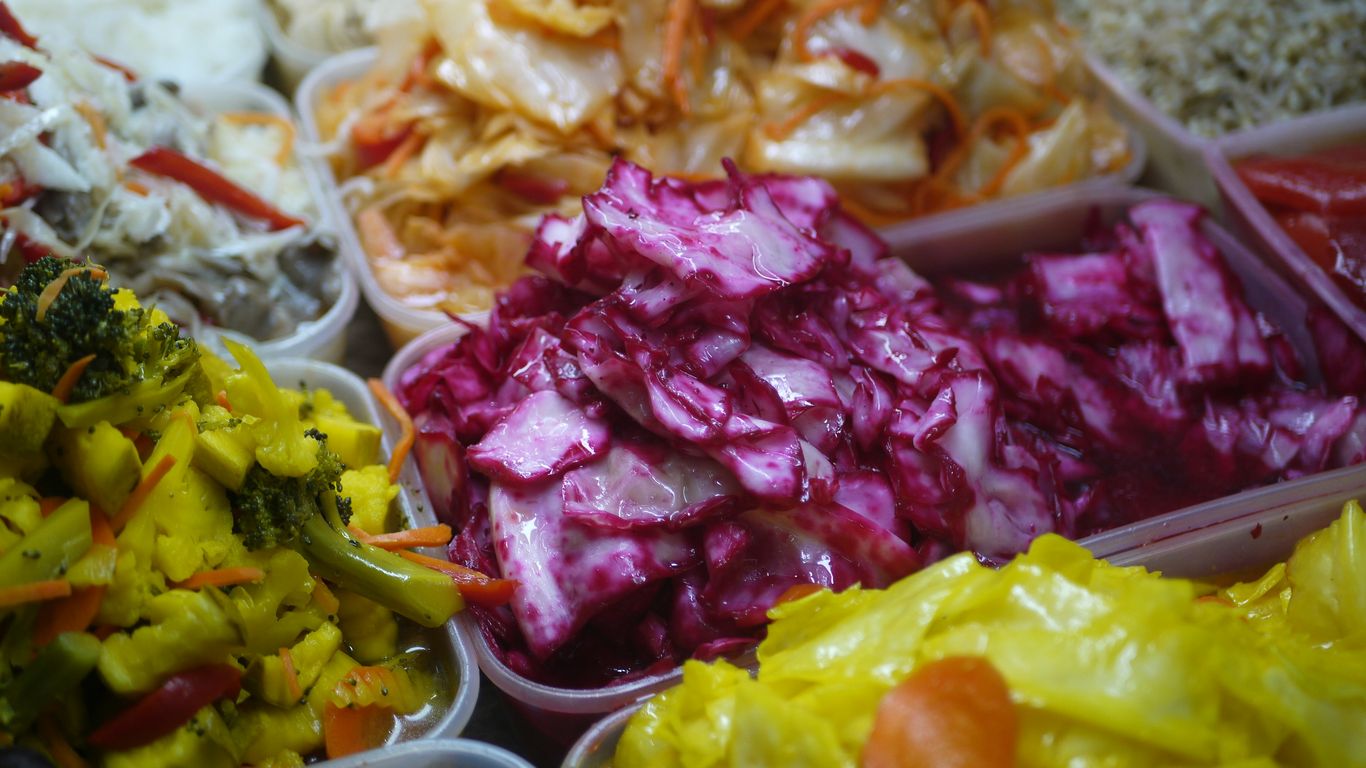
So, you’re looking to give your gut some love, and fermented foods are on your radar. That’s a great move! These foods are basically nature’s way of delivering beneficial bacteria and yeast right to your plate. They’re made through a process called fermentation, where microorganisms break down sugars and starches into other compounds, like lactic acid. This not only preserves the food but also creates those live and active cultures we hear so much about.
Yogurt and Kefir: Dairy’s Probiotic Powerhouses
When you think fermented dairy, yogurt and kefir probably come to mind first. Yogurt is super common, and you can find it everywhere. Look for ones that say "live and active cultures" on the label. Plain yogurt is a blank canvas – toss in some berries, a sprinkle of granola, or mix it into a smoothie. Kefir is like yogurt’s tangier cousin, a fermented milk drink that’s often even more packed with probiotics than yogurt. It’s great in smoothies too, or you can just sip it on its own if you like that zesty kick.
Sauerkraut and Kimchi: Fermented Vegetable Staples
Moving beyond dairy, fermented veggies are fantastic. Sauerkraut, which is basically fermented cabbage, has a nice crunch and a sour taste that pairs well with lots of things. Kimchi, a Korean staple, is usually made with cabbage and a mix of spices, giving it a bit of heat and a lot of flavor. Both are great as side dishes or even mixed into sandwiches and tacos. Just a heads-up: some store-bought versions might be pasteurized or made with vinegar, which can kill off the good bacteria. So, check those labels or consider making your own!
Kombucha and Pickles: Tangy and Beneficial Beverages and Snacks
Kombucha is that fizzy, fermented tea drink that’s become really popular. It’s made with tea, sugar, and a SCOBY (symbiotic culture of bacteria and yeast), and it ferments into a tangy beverage. It’s a good way to get probiotics in liquid form. And pickles? Not all pickles are created equal. The ones you want are lacto-fermented pickles, usually found in the refrigerated section. They’re made with just salt and water, allowing natural bacteria to do their thing. They have a distinct sourness and are a tasty way to snack while supporting your gut.
It’s important to remember that while these foods are great, introducing them too quickly can sometimes cause a bit of digestive upset, like gas or bloating. Starting with small amounts and gradually increasing your intake is usually the best approach to let your gut adjust.
The Role of Probiotic Supplements
Sometimes, getting enough beneficial bacteria from food alone can feel like a challenge. That’s where probiotic supplements come in. Think of them as concentrated doses of those helpful microbes, packaged into capsules, powders, or liquids. They’re designed to deliver specific strains of bacteria and yeast directly to your gut, aiming to support your digestive health and overall well-being.
When Supplements Might Be Recommended
While a balanced diet rich in fermented foods is great, there are times when a supplement might be a good idea. For instance, if you’ve recently taken antibiotics, which can wipe out both good and bad bacteria, a probiotic could help restore some balance. Some people also turn to supplements if they’re dealing with specific digestive issues like IBS or frequent constipation, hoping for a more targeted approach. It’s also worth considering if you have a condition that might affect nutrient absorption or if your diet is particularly limited.
Navigating the Supplement Market: What to Look For
Walking down the supplement aisle can be overwhelming, right? When choosing a probiotic supplement, it’s not just about grabbing the first bottle you see. You’ll want to check a few things. Look for products that clearly state the specific strains of bacteria or yeast included (like Lactobacillus rhamnosus or Bifidobacterium lactis). The number of Colony Forming Units (CFUs) is also important – this tells you how many live microbes are in each dose. Generally, higher CFUs mean a more potent product, but it’s not always a simple case of ‘more is better.’ It’s also wise to look for third-party testing seals, which indicate the product has been checked for purity and potency.
Here’s a quick checklist:
- Strain Specificity: Does it list the exact strains?
- CFU Count: What’s the number of live bacteria per dose?
- Expiration Date: Ensure it’s well within its shelf life.
- Storage Instructions: Some need refrigeration, others don’t.
Potential Downsides of Supplement Reliance
It’s easy to think that if some is good, more must be better, but with supplements, that’s not always the case. Relying too heavily on supplements might mean you miss out on the broader nutritional benefits that whole, fermented foods offer. Plus, supplements aren’t regulated in the same way as medications, so quality can vary. Some people might experience mild side effects like gas or bloating when they first start taking them. It’s always best to view supplements as a potential addition to a healthy diet, not a replacement for it.
While supplements can offer a concentrated dose of specific beneficial bacteria, they don’t come with the fiber, vitamins, minerals, and other compounds found naturally in fermented foods. These other components can work together with the probiotics, creating a more complete package for your gut.
Comparing Gut Health Benefits: Ferments vs. Capsules
So, we’ve talked about what probiotics are and where to find them in food. Now, let’s get down to brass tacks: what’s actually better for your gut and your wallet – eating fermented foods or popping a probiotic capsule? It’s not always a simple answer, and honestly, it depends on what you’re looking for.
Whole Foods Offer More Than Just Probiotics
When you eat something like sauerkraut or yogurt, you’re not just getting those live bacteria. Fermented foods are packed with a whole bunch of other good stuff. Think vitamins, minerals, and fiber. For example, kimchi has vitamins A and C, plus fiber, which is super important for keeping things moving smoothly in your digestive system. Yogurt, besides probiotics, gives you calcium and protein. These foods offer a complete package for your gut health, not just a single ingredient. It’s like getting a whole meal versus just a vitamin pill.
Targeted Benefits from Specific Probiotic Strains
Probiotic supplements, on the other hand, are designed to deliver specific strains of bacteria. If you’ve got a particular gut issue, a doctor might recommend a supplement with a strain known to help with that. For instance, some strains are studied for their effects on IBS symptoms, while others might be looked at for immune support. This targeted approach can be really useful when you need to address a specific problem. However, it’s worth noting that the science on which strains do what is still evolving, and not all supplements are created equal.
Synergy of Nutrients in Fermented Foods
This is where fermented foods really shine. It’s not just about the probiotics themselves, but how they interact with the other nutrients in the food. The fermentation process can actually make nutrients more available for your body to absorb. Plus, the fiber in these foods acts as prebiotics, which are basically food for the probiotics (and your other good gut bugs). This creates a more supportive environment for your gut microbiome to thrive naturally. It’s a whole ecosystem working together.
Here’s a quick look at what you might get:
- Fermented Foods: A mix of probiotics, prebiotics (from fiber), vitamins, minerals, and other beneficial compounds.
- Probiotic Supplements: Primarily focused on delivering specific strains of live bacteria, often in high doses.
While supplements can offer a concentrated dose of specific strains, fermented foods provide a broader spectrum of nutrients and work in synergy with your body’s natural processes. Think of it as building a strong foundation versus patching a specific spot.
It’s also important to remember that supplements aren’t regulated by the FDA in the same way medications are. This means the quality and actual content can vary a lot between brands. With fermented foods, you’re generally getting a more natural product, though you still need to check labels to make sure they haven’t been pasteurized or had too much added sugar or vinegar, which can kill off the good bugs.
Budget-Friendly Choices for Your Gut
When you’re trying to get your gut health in check, it’s easy to think you need to spend a fortune. But honestly, taking care of your digestive system doesn’t have to break the bank. In fact, some of the most wallet-friendly options are also some of the best for you.
Cost-Effectiveness of Fermented Foods
Think about it: many fermented foods are made from simple, inexpensive ingredients like vegetables, grains, or dairy. When you buy them pre-made, they might seem like a moderate expense, but compared to specialized supplements, they often offer more bang for your buck. Plus, you’re getting a whole package of nutrients, not just isolated compounds. Eating fermented foods regularly can be a sustainable way to support your gut without a huge financial commitment.
Here are a few examples:
- Yogurt: Plain, unsweetened yogurt is usually quite affordable, especially when bought in larger tubs.
- Sauerkraut: A jar of sauerkraut can last a while, and it’s made from basic cabbage.
- Kefir: Similar to yogurt, plain kefir is often reasonably priced.
Comparing the Price of Supplements vs. Food
Let’s be real, probiotic supplements can add up. You might see a bottle of capsules costing anywhere from $20 to $50 or more, and you often need to take them daily for weeks or months to see any real difference. When you break it down, a serving of yogurt or a spoonful of kimchi is usually much cheaper per dose. You’re also getting fiber, vitamins, and minerals from the food itself, which supplements typically don’t provide. It’s like comparing buying a single vitamin pill versus eating a colorful salad – the salad gives you so much more.
DIY Fermentation for Savings
Want to save even more? Try making your own fermented foods at home! It’s surprisingly simple and incredibly rewarding. You only need a few basic ingredients and some patience. Think about making your own sauerkraut, kimchi, or even kombucha. The initial setup might cost a little bit for jars and equipment, but the cost per serving after that is minimal. You control the ingredients, avoid added sugars or preservatives, and get that satisfying feeling of making something healthy with your own two hands.
Here’s a quick look at how it can work:
- Gather Ingredients: Usually just vegetables (like cabbage for sauerkraut), salt, and water.
- Prepare: Chop and mix your ingredients.
- Ferment: Pack into a jar and let it sit at room temperature for a few days or weeks.
- Enjoy: Store in the fridge and eat your homemade gut-friendly food!
Making your own fermented foods at home is a fantastic way to cut costs while ensuring you’re getting high-quality probiotics. It takes a little practice, but the savings and the health benefits are well worth the effort. Plus, it’s a fun kitchen project!
Potential Side Effects and Considerations
While fermented foods and probiotic supplements are generally seen as beneficial, it’s not always smooth sailing for everyone’s gut. Sometimes, introducing these tiny helpers can cause a bit of a stir.
Introducing Fermented Foods Gradually
When you first start adding things like kimchi, sauerkraut, or kefir to your diet, it’s a good idea to take it slow. Your digestive system might not be used to the influx of new bacteria, and that can lead to some temporary discomfort. Think of it like meeting a lot of new people at once – it can be a bit overwhelming!
- Start with small portions, maybe just a tablespoon or two.
- See how your body reacts over a few days.
- Slowly increase the amount if you feel fine.
This approach helps your gut adjust without causing too much fuss. Most of the time, any initial bloating or gas will pass as your microbiome gets used to the new residents.
Understanding Supplement Regulation
Supplements, including probiotics, don’t have the same strict oversight as medications. This means the quality and even the strains listed on the label can vary quite a bit between brands. It’s a bit of a wild west out there sometimes.
The Food and Drug Administration (FDA) regulates dietary supplements differently than drugs. While manufacturers are responsible for ensuring their products are safe and labeled correctly, the FDA doesn’t approve supplements for safety and effectiveness before they go on the market.
This is why doing your homework on brands is important. Look for companies that have third-party testing to verify their product’s purity and potency. It’s not a guarantee, but it’s a good step.
When to Consult a Healthcare Professional
Most people can enjoy fermented foods and probiotics without issue, but there are times when you should definitely chat with a doctor or a registered dietitian. This is especially true if you have a serious health condition or a weakened immune system.
- Severe digestive issues: If you experience persistent pain, cramping, or other concerning symptoms.
- Compromised immune system: Conditions like HIV/AIDS, or if you’re undergoing chemotherapy, require extra caution.
- Allergies: Some probiotic products might contain allergens like dairy or soy, which could cause a reaction.
Always talk to your doctor before starting any new supplement regimen, especially if you’re on other medications. They can help you figure out if probiotics are right for you and what might be the safest way to go about it.
Beyond Probiotics: The Importance of Prebiotics
So, we’ve talked a lot about probiotics – those helpful live bugs that do good things for your gut. But here’s a little secret: probiotics can’t do their best work alone. They need food, and that’s where prebiotics come in. Think of it like this: probiotics are the workers, and prebiotics are the fuel that keeps them going strong.
What Are Prebiotics?
Prebiotics are basically types of fiber that your body can’t digest. Sounds weird, right? But that’s exactly why they’re so good for your gut. Instead of being broken down and absorbed by your stomach or small intestine, they travel all the way to your large intestine. There, they become a tasty meal for the good bacteria, including the probiotics you’ve been trying to cultivate. By feeding the beneficial microbes, prebiotics help them multiply and become more active. They’re like the VIP section at a concert for your gut bugs.
Prebiotic Foods That Feed Probiotics
Good news! You probably eat a lot of prebiotic-rich foods already without even realizing it. They’re mostly found in plant-based foods that are high in fiber. Here are some top picks:
- Vegetables: Onions, garlic, leeks, asparagus, and Jerusalem artichokes are packed with prebiotic goodness.
- Fruits: Bananas (especially slightly green ones), apples, and berries contain prebiotic fibers.
- Grains: Oats, barley, and whole wheat are great sources.
- Legumes: Beans, lentils, and chickpeas offer a good dose of prebiotics.
- Nuts and Seeds: Flaxseeds and chia seeds are also beneficial.
Integrating Prebiotics with Probiotic Sources
To really get your gut microbiome humming, you want to pair your probiotic sources with plenty of prebiotics. It’s a team effort! Eating yogurt with berries, adding beans to your chili, or topping your oatmeal with flaxseeds are simple ways to combine these powerhouses. This synergy means you’re not just adding good bacteria; you’re creating an environment where they can truly thrive.
The idea is to create a balanced ecosystem in your gut. Probiotics introduce beneficial microbes, while prebiotics provide the necessary nourishment for these microbes to flourish and perform their jobs effectively. Without adequate prebiotics, even a high intake of probiotics might not yield the full benefits you’re hoping for. It’s about supporting the entire community, not just a select few.
It’s pretty neat how nature works, isn’t it? You eat something, and it helps out the tiny helpers living inside you. Pretty cool stuff.
Making Informed Decisions for Your Microbiome
So, we’ve talked a lot about fermented foods and probiotic supplements, right? It can get a little overwhelming trying to figure out what’s best for your own gut and your wallet. The truth is, there’s no one-size-fits-all answer. It really comes down to understanding what your body needs and what fits into your life.
Assessing Your Individual Needs
Think about your current health. Are you dealing with specific digestive issues, or are you just looking to generally support your gut health? If you’ve got a diagnosed condition like IBS, or if you’re just feeling off, it’s a good idea to chat with a doctor or a registered dietitian. They can help you figure out if a particular probiotic strain might be helpful or if certain fermented foods are a better bet for you. Sometimes, what works wonders for one person might not do much for another. It’s all about that personal connection to your gut.
Prioritizing Whole Foods for Gut Wellness
Generally speaking, leaning towards whole, fermented foods is a solid strategy. These foods offer a whole package deal – not just the live bacteria, but also fiber, vitamins, and minerals that work together. It’s like getting a whole team of helpers for your gut, not just one star player. Plus, you get the added benefit of enjoying delicious food!
Here’s a quick look at how some common choices stack up:
| Food Item | Typical Probiotic Source | Other Gut Benefits |
|---|---|---|
| Yogurt (plain) | Live & active cultures | Calcium, protein, fiber (if fruit added) |
| Sauerkraut | Lactic acid bacteria | Vitamin C, K, fiber |
| Kimchi | Lactic acid bacteria | Vitamins A, C, K, fiber |
| Kefir | Diverse bacteria & yeast | Calcium, protein, B vitamins |
| Kombucha | Yeast & bacteria | Antioxidants (from tea), organic acids |
The Long-Term View on Gut Health
Building a healthy gut is a marathon, not a sprint. Consistency is key. Whether you’re sipping on kefir daily or adding a spoonful of sauerkraut to your meals, making these gut-friendly choices a regular part of your routine will likely yield the best results over time. Don’t get discouraged if you don’t see changes overnight. Your microbiome is a complex ecosystem that thrives on consistent, good care.
Remember, the goal is to create a balanced and resilient gut environment. This involves not just introducing beneficial microbes but also feeding them well with prebiotics and maintaining an overall healthy lifestyle. Think of it as nurturing a garden – you need good soil, water, and sunlight for everything to flourish.
Want to make smarter choices for your gut health? Understanding your microbiome is key to feeling your best. Learn how to support your inner ecosystem and unlock a healthier you. Ready to take control? Visit our website today to discover more!
So, What’s the Verdict?
Alright, so we’ve looked at fermented foods and probiotic supplements. Honestly, for most people, getting your probiotics from food is probably the way to go. Think yogurt, kimchi, or even some good old sauerkraut. It’s often cheaper, and you get a whole bunch of other good stuff from the food itself. Plus, it just feels more natural, right? Supplements can be helpful, especially if a doctor suggests a specific one for a particular issue, but remember, they aren’t regulated like medicines. So, start with your diet, introduce fermented foods slowly if you’re new to them, and if you’re still struggling or curious about supplements, chat with a healthcare pro. Your gut will thank you.
Frequently Asked Questions
What’s the main difference between fermented foods and probiotics?
Think of fermented foods as the natural homes for probiotics. Fermented foods, like yogurt or kimchi, are made through a process where tiny helpers called microbes break down sugars. This process creates probiotics, which are the live, good bacteria that can help your gut. So, fermented foods *contain* probiotics, but probiotics are the actual beneficial microbes themselves.
Are all fermented foods good sources of probiotics?
Not always! While many fermented foods are packed with probiotics, some might lose them during processing. For example, if sauerkraut is heated too much or made with vinegar instead of just salt and cabbage, the good bacteria might be killed off. It’s best to look for labels that say ‘live and active cultures’ or choose products that are naturally fermented and unpasteurized.
When should I consider taking a probiotic supplement instead of just eating fermented foods?
Sometimes, your body might need a stronger or more specific boost of good bacteria. A doctor or nutritionist might suggest a probiotic supplement if you have a gut issue or an imbalance. Supplements can offer a concentrated dose of specific strains that might be harder to get in large amounts from food alone.
Can I get too many probiotics from food?
It’s pretty rare to get too many probiotics just from eating fermented foods. Your body usually handles the extra good bacteria well. However, if you’re new to fermented foods, it’s smart to start slowly to avoid tummy troubles like gas or bloating. Supplements, on the other hand, should be taken as directed because they are more concentrated.
Are probiotic supplements regulated like medicines?
No, probiotic supplements aren’t regulated by the FDA (Food and Drug Administration) in the same way medicines are. This means their quality and what they claim to do aren’t always checked as strictly. It’s important to choose reputable brands and look for third-party testing if possible.
What are prebiotics and why are they important?
Prebiotics are like the food for your probiotics! They are types of fiber that your body can’t digest, but your good gut bacteria can eat them. Foods like bananas, onions, garlic, and whole grains are full of prebiotics. Eating prebiotics helps the probiotics in your gut grow and multiply, making your gut even healthier.
How can I save money on gut-friendly foods?
Making your own fermented foods at home, like sauerkraut or pickles, can be very budget-friendly! You just need a few basic ingredients and some time. Plus, buying fermented foods in larger containers or looking for store brands can also help cut costs compared to expensive, single-serving options or supplements.
What’s the best way to start eating more fermented foods?
The key is to start small and be patient. Begin with a small serving of a fermented food you enjoy, like a spoonful of yogurt or a bite of kimchi, and see how your body reacts. Gradually increase the amount over a few weeks. This helps your digestive system adjust and prevents any discomfort.