
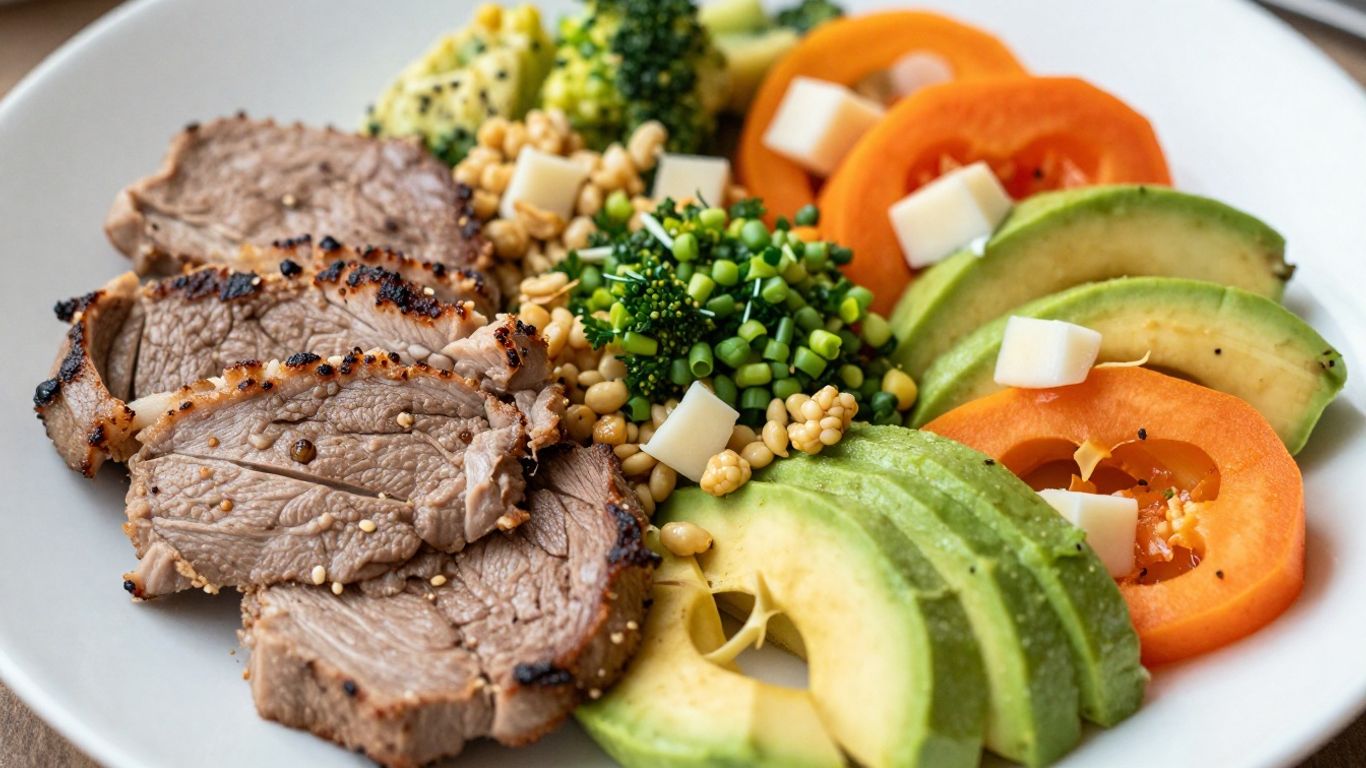
Ever feel like your energy levels are on a rollercoaster? One minute you’re buzzing, the next you’re crashing. It turns out, what and how we eat plays a huge role in keeping things steady, especially when it comes to our blood sugar. This isn’t about complicated diets or cutting out entire food groups. It’s more about understanding how different foods work together, a bit like a dance. We’re going to explore the art of glucose pairing, focusing on how protein, fat, and fiber can act as shields to help keep your energy and mood more stable throughout the day. Think of it as learning to build balanced meals that just make you feel better.
Key Takeaways
- Pairing carbohydrates with protein and healthy fats helps slow down sugar absorption, leading to more stable energy levels and preventing sharp spikes and crashes.
- Protein is vital for more than just muscles; it helps you feel full, supports your immune system, and can be found in a variety of sources like beans, eggs, and fish.
- Fiber, found in fruits, vegetables, whole grains, and legumes, is a digestive aid that also helps regulate blood sugar and feeds beneficial gut bacteria.
- Healthy fats, especially unsaturated ones from sources like olive oil, avocados, nuts, and fatty fish, are necessary for cell function, hormone production, and nutrient absorption.
- Making small, consistent changes to your eating habits, like adding more vegetables or choosing whole grains, is more effective for long-term success than drastic restrictions.
Understanding The Art Of Glucose Pairing
The Foundation Of Balanced Eating
Think about your meals not just as food, but as a carefully orchestrated event for your body. The way different foods interact, especially concerning how they affect your blood sugar, is what we’re calling ‘glucose pairing.’ It’s not about strict rules, but about making smart choices that help keep your energy levels steady throughout the day. When your blood sugar spikes and then crashes, it can leave you feeling tired, hungry, and unfocused. Learning to pair foods thoughtfully can make a big difference in how you feel.
Why Glucose Stability Matters
Keeping your glucose levels stable is more than just a good idea; it’s pretty important for overall well-being. When glucose levels are all over the place, it can affect your mood, your concentration, and even your sleep. Over time, consistent glucose rollercoasters can contribute to more serious health issues. The goal is to create a smoother ride for your blood sugar, which means more consistent energy and a better feeling day-to-day.
Beyond The Plate: A Holistic Approach
Glucose pairing isn’t just about what’s on your plate; it’s part of a bigger picture. Things like stress, sleep, and even how much you move all play a role in how your body handles glucose. While we’ll focus a lot on food, remember that these other factors are part of the equation too. It’s about looking at your whole lifestyle to support stable energy.
Making conscious food choices is a powerful way to influence your body’s energy flow. It’s about understanding the subtle dance between what you eat and how you feel, aiming for a harmonious rhythm rather than jarring swings.
The Protein Powerhouse For Stable Energy
Protein is often talked about in the context of building muscles, and sure, it does that. But its role in our bodies goes way beyond just that. Think of protein as a builder and a messenger. It’s key for keeping our immune system strong, helping our bodies heal and repair themselves, and even for making the brain chemicals that affect our mood and focus. Plus, when you eat protein, it really helps you feel full and satisfied, which can be a game-changer for managing energy levels throughout the day.
Essential Roles Of Protein Beyond Muscle
It’s easy to think protein is just for gym buffs, but it’s actually a workhorse for so many bodily functions. It’s like the construction crew and the communication network all rolled into one. When you get enough protein, your body can do things like fight off infections more effectively, mend cuts and bruises faster, and even produce neurotransmitters that help you feel calm and alert. This feeling of fullness, often called satiety, is a big deal. It means you’re less likely to reach for snacks an hour after lunch, helping to keep those energy dips at bay.
Cultivating Gut Diversity With Plant Proteins
When we talk about protein, it’s not just about how much but also where it comes from. Plant-based proteins, like those found in beans, lentils, tofu, and nuts, are fantastic for more than just protein. They come packed with fiber, which is great for your digestion and feeds the good bacteria in your gut. Having a diverse range of these plant proteins in your diet can really help create a more varied and robust gut microbiome. This diversity is linked to better overall health, from digestion to immunity.
Strategic Protein Blending For Meals
To really get the most out of protein, a smart approach is to mix and match different sources. Instead of relying on just one or two types of protein for every meal, try incorporating a variety throughout the week. This could mean adding chickpeas to a salad, tossing some nuts into your morning oatmeal, or including a side of lentils with your dinner. This variety not only makes meals more interesting but also ensures you’re getting a wider spectrum of nutrients and amino acids. It’s a simple way to boost the nutritional value of your plate and keep your energy steady.
Mixing different protein sources, especially combining plant-based options with animal proteins, can offer a broader range of nutrients and support a healthier gut environment. This variety also contributes to a more satisfying eating experience, helping to manage hunger and energy levels more effectively throughout the day.
Embracing Fiber As A Dietary Ally
Fiber often gets a bad rap, maybe because it sounds a bit… well, boring. But honestly, it’s one of the unsung heroes of our diet, working behind the scenes to keep everything running smoothly. Think of it as the ultimate digestive helper and a key player in keeping your energy levels steady throughout the day. Most of us aren’t getting enough, and that’s a shame because fiber does so much more than just aid digestion.
The Crucial Benefits Of Adequate Fiber Intake
So, why should you care about fiber? For starters, it’s a champion at stabilizing blood sugar. When you eat carbs, fiber slows down how quickly that sugar gets into your bloodstream. This means no more dramatic energy spikes and crashes. It also plays a big role in keeping your cholesterol in check and is super important for feeding the good bacteria that live in your gut. These tiny organisms are surprisingly influential in many aspects of your health, from mood to immunity.
Fiber acts like a gentle broom for your digestive system, sweeping things along and helping to prevent discomfort. It also provides a feeling of fullness, which can be a real game-changer when you’re trying to manage your weight or just avoid overeating.
Sources Of Abundant Dietary Fiber
Good news! Fiber is found in a wide variety of delicious foods. You don’t need to force yourself to eat anything strange. Think:
- Fruits: Berries, apples (with the skin on!), pears, and oranges are packed with fiber.
- Vegetables: Broccoli, Brussels sprouts, carrots, artichokes, and leafy greens are excellent choices.
- Whole Grains: Oats, barley, quinoa, brown rice, and whole wheat bread provide sustained energy and fiber.
- Legumes: Beans, lentils, and chickpeas are fiber powerhouses and also offer protein.
- Nuts and Seeds: Almonds, chia seeds, flaxseeds, and walnuts add a fiber boost and healthy fats.
Gradual Integration For Digestive Comfort
If you’re not used to eating a lot of fiber, jumping in too fast can lead to some… unpleasant digestive side effects, like bloating or gas. The trick is to increase your intake slowly. Start by adding one extra serving of a high-fiber food to your day, like swapping your usual breakfast cereal for oatmeal or adding a side of beans to your lunch. As your body adjusts, you can gradually add more. And remember to drink plenty of water – it helps the fiber do its job effectively and keeps things moving smoothly.
The Nuances Of Healthy Fat Consumption
Okay, let’s talk about fats. For a while there, it felt like we were supposed to avoid them completely, right? Everything was ‘fat-free’ or ‘low-fat’. But we’ve learned a lot since then. Fats aren’t the enemy; they’re actually pretty important for our bodies to work right. They help build our cells, keep our brains humming, and help us absorb certain vitamins like A, D, E, and K. Plus, they make meals feel satisfying, which is a big win.
Essential Functions Of Dietary Fats
Fats do a lot more than just add flavor. They’re key players in how our bodies function day-to-day. Think about it:
- Cell Structure: Fats are building blocks for every cell membrane in your body. They keep things flexible and functional.
- Hormone Production: Many hormones, which control a huge range of bodily processes, are made using fats.
- Nutrient Absorption: Without fats, we wouldn’t be able to properly use vitamins A, D, E, and K from our food.
- Energy and Satiety: Fats provide a steady source of energy and help you feel full and content after eating, preventing those mid-afternoon energy crashes.
Prioritizing Unsaturated Fats For Well-being
When we talk about healthy fats, we’re mostly talking about unsaturated fats. These are the ones that seem to be good for our hearts and can help keep our cholesterol in a good range. You can find them in a lot of everyday foods:
- Oils: Olive oil and canola oil are great for cooking and dressings.
- Avocado: Spread it on toast, add it to salads, or use it in sandwiches.
- Nuts and Seeds: Almonds, walnuts, chia seeds, flaxseeds, and pumpkin seeds are fantastic for snacking or adding to smoothies and meals.
- Fatty Fish: Salmon, mackerel, and sardines are packed with omega-3 fatty acids, which are known for their anti-inflammatory properties and brain benefits.
It’s also wise to cut back on trans fats, often found in processed snacks and baked goods, and to be mindful of how much saturated fat you’re getting from things like processed meats and fried foods.
Smart Strategies For Incorporating Healthy Fats
Adding healthy fats to your meals doesn’t have to be complicated. It’s often about small additions that make a big difference:
- Dressings and Drizzles: A simple drizzle of olive oil over roasted vegetables or a salad can add flavor and help you absorb more nutrients.
- Toppings: Sprinkle nuts or seeds onto yogurt, oatmeal, or salads for added crunch and healthy fats.
- Smoothie Boost: Add a tablespoon of chia seeds or a quarter of an avocado to your morning smoothie for extra staying power.
- Snack Smart: Keep a small handful of almonds or walnuts handy for a satisfying snack between meals.
Remember, the goal isn’t to eliminate fats, but to choose the right kinds and use them in ways that support your overall health. It’s about balance and making informed choices that taste good and make you feel good.
Choosing Quality Carbohydrates Wisely
Carbohydrates often get a bad rap, but the truth is, not all carbs are created equal. It’s less about avoiding them altogether and more about picking the right ones. Think of it like choosing your building materials – you want sturdy, reliable stuff, not flimsy, quick-to-crumble bits. The kind of carbohydrate you choose really matters for how your body uses energy and how long you feel satisfied.
The Importance Of Carbohydrate Source
When we talk about carbohydrates, we’re really talking about sugars, starches, and fiber. The key difference lies in how quickly your body breaks them down and absorbs them. Highly processed carbs, like white bread or sugary cereals, are digested in a flash. This can lead to a quick spike in blood sugar, followed by a crash, leaving you feeling tired and hungry again soon after. On the other hand, carbs that come bundled with fiber, vitamins, and minerals are digested more slowly. This provides a steadier release of energy, which is much better for keeping your blood sugar levels stable and your energy consistent throughout the day.
Whole Grains For Sustained Energy
Whole grains are champions when it comes to providing lasting energy. Unlike refined grains, which have had their bran and germ removed, whole grains keep all their parts. This means they pack a bigger punch of fiber, nutrients, and beneficial compounds. Think oats for breakfast, brown rice with your stir-fry, or a hearty slice of 100% whole wheat bread. These foods are digested slowly, helping to prevent those sharp ups and downs in blood sugar. Plus, they’re good for your gut and can even help manage cholesterol levels.
Here are some great whole grain options:
- Oats
- Quinoa
- Brown rice
- Barley
- Farro
- 100% whole wheat pasta and bread
If you’re new to whole grains, start small. Maybe swap half your white rice for brown rice, or try oatmeal instead of a sugary cereal. Your taste buds will adjust before you know it.
Legumes And Root Vegetables: Nutrient-Dense Choices
Legumes, like beans, lentils, and peas, are nutritional powerhouses. They offer a fantastic combination of slow-digesting carbohydrates and plant-based protein. This dynamic duo helps you feel full and energized for hours, making them a smart choice for any meal. Root vegetables, such as sweet potatoes, carrots, and beets, are also fantastic. They bring natural sweetness, a good dose of fiber, and a variety of antioxidants to your plate. They’re a colorful and tasty way to get more good stuff into your diet.
Choosing whole, unprocessed carbohydrate sources is like giving your body a steady fuel supply instead of a quick burst that burns out fast. It’s about making smart swaps that support your energy levels and overall well-being.
Synergistic Macronutrient Combinations

Balancing Carbohydrates With Protein And Fat
Think of your plate as a team sport. Carbohydrates give you energy, but when they’re paired with protein and healthy fats, they play a much more balanced game. This combination helps slow down how quickly your body uses the energy from carbs, leading to more stable blood sugar levels. It’s not just about what you eat, but how you put it all together. For instance, adding a handful of nuts to your apple slices or a bit of avocado to your toast makes a big difference compared to eating those carbs alone. This synergy is key to feeling good throughout the day.
The Role Of Macronutrients In Blood Sugar Regulation
When you eat carbohydrates, your body breaks them down into glucose, which is your primary energy source. How fast this happens depends on what else is on your plate. Protein and fat act like a brake pedal for glucose absorption. They don’t get digested as quickly, which means the glucose from your carbs enters your bloodstream at a more measured pace. This prevents those sharp spikes and subsequent crashes in blood sugar that can leave you feeling tired and hungry. Fiber also plays a big part here, acting as a bulking agent that further slows digestion.
Here’s a quick look at how they work together:
- Carbohydrates: Provide immediate energy.
- Protein: Slows digestion, promotes fullness, and supports muscle health.
- Fat: Further slows digestion, aids in nutrient absorption, and provides sustained energy.
- Fiber: Adds bulk, slows glucose release, and supports gut health.
Creating Satisfying And Energizing Meals
Putting these ideas into practice means building meals that keep you full and energized for hours. It’s about making smart choices that work for your body. Instead of a plain bagel for breakfast, try a whole-wheat bagel with scrambled eggs and a side of berries. For lunch, a large salad with grilled chicken or chickpeas, a sprinkle of seeds, and a light vinaigrette is a great option. Dinner could be baked salmon with roasted vegetables and a small portion of quinoa. The goal is to create meals where no single macronutrient dominates, but rather they work in harmony. This approach helps manage hunger, maintain steady energy, and makes your meals more enjoyable and satisfying.
Building balanced meals isn’t about strict rules; it’s about understanding how different foods interact. By combining carbohydrates with protein, fat, and fiber, you’re setting yourself up for sustained energy and better overall well-being. It’s a simple yet powerful way to take control of your daily energy levels and feel your best.
Practical Strategies For Glucose Pairing
Making smart food choices is one thing, but putting it all into practice is another. It’s about making small, consistent changes that add up. Think of it like building a good habit – you don’t go from zero to marathon runner overnight. It’s the same with how you eat to keep your energy steady.
Small Adjustments For Lasting Habits
Instead of a complete overhaul, try tweaking what you already eat. For example, if you usually have a plain bagel for breakfast, try adding a scrambled egg or some avocado. This simple addition brings in protein and healthy fats, which can make a big difference in how long you feel full and how your body handles the carbs. Another idea is to swap white rice for brown rice or quinoa. These whole grains have more fiber, helping to slow down digestion and prevent those quick spikes and crashes in blood sugar. It’s not about perfection, it’s about progress.
The Importance Of Regular Meal Timing
When you eat can be just as important as what you eat. Skipping meals or eating at wildly different times can throw your body off. Aiming for a consistent schedule, even on weekends, helps your body anticipate food and manage glucose more predictably. This doesn’t mean you need a rigid minute-by-minute plan, but having a general idea of when you’ll eat your main meals can really help.
Mindful Eating For Better Connection
This is about paying attention to your food and how your body feels. Put away the distractions – no phones, no TV – and really focus on your meal. Notice the textures, the smells, and the tastes. Slow down and chew your food thoroughly. This not only helps you enjoy your food more but also gives your body time to signal when it’s full. It’s a way to connect with your food and your body’s signals, which can prevent overeating and improve how you digest your meals.
The goal isn’t to eliminate carbohydrates, but to pair them thoughtfully. By combining carbohydrate-rich foods with sources of protein, fat, and fiber, you create a more balanced meal that supports steady energy levels and a more stable glucose response. This approach helps you feel satisfied longer and avoids the energy roller coaster that can come from eating simple carbs alone.
Navigating Nutrition Myths And Misconceptions
It feels like every other day there’s a new diet trend or a piece of ‘health’ advice that contradicts what we heard last week. It can get pretty confusing, right? Let’s clear some of that up.
Debunking Common Dietary Fallacies
There are so many ideas floating around about what’s ‘good’ and ‘bad’ for us. For instance, the idea that all sugar is terrible for you is a bit of an oversimplification. Natural sugars found in fruits and vegetables come bundled with fiber, water, and nutrients, which our bodies handle well. The real issue is the added sugars in things like soda, candy, and sugary cereals. Similarly, the notion that carbs automatically make you gain weight isn’t quite right. It’s more about the type of carbohydrate. Whole grains and legumes offer sustained energy, while refined carbs can cause blood sugar spikes.
Here are a few common myths and the reality behind them:
- Myth: All fats are bad.
Reality: Healthy fats are vital for hormone production, absorbing vitamins, and feeling satisfied after a meal. Prioritizing unsaturated fats is key. - Myth: You need to eat perfectly all the time to be healthy.
Reality: Health is a journey, not a destination. Aim for balance and nourishing choices most of the time, and allow for treats and flexibility. - Myth: Gluten-free is automatically healthier for everyone.
Reality: Unless you have celiac disease or a sensitivity, gluten-containing whole grains are packed with fiber and nutrients. Many processed gluten-free alternatives lack these benefits.
The goal isn’t rigid restriction, but rather building a sustainable way of eating that supports your well-being and brings you joy. Small, consistent steps often lead to the most significant and lasting changes.
Focusing On Balance Over Restriction
Instead of focusing on what you can’t have, it’s more helpful to think about what you can add to make your meals more balanced and satisfying. This means looking at the whole picture – how protein, healthy fats, and fiber work together with carbohydrates to keep your energy stable and your body nourished. When we restrict too much, it often backfires, leading to cravings and overeating. Giving yourself permission to enjoy a variety of foods, including occasional treats, is a more sustainable path to health.
The Evolving Landscape Of Nutrition Science
Nutrition is a dynamic field, and what we know is constantly being updated by new research. The idea of a single ‘perfect’ diet for everyone is outdated. Our individual needs are shaped by many factors, including our genetics, gut health, lifestyle, and even where we live. This means that finding what works best for you is a personal journey. It’s about listening to your body, making informed choices, and adapting as you learn more. The most important thing is to build a positive and flexible relationship with food that supports your health for the long run.
Many common ideas about food and health are actually wrong. It’s easy to get confused by all the different advice out there. We’re here to help you sort through the noise and find the real facts. Ready to learn the truth about what you eat? Visit our website to discover more!
Putting It All Together
So, we’ve talked about how protein, fat, and fiber can act like little shields for your body, helping to manage how your body uses sugar. It’s not about cutting things out completely, but more about making smart choices. Think about adding some beans to your soup, a sprinkle of seeds on your yogurt, or choosing whole grains over white bread. These aren’t huge changes, but they add up. Remember, food should be enjoyable, and finding a balance that works for you is key. It’s about building meals that keep you feeling good, energized, and satisfied, one plate at a time.
Frequently Asked Questions
What does ‘glucose pairing’ mean in simple terms?
Glucose pairing is like giving your body a balanced meal. Instead of just eating carbs (which break down into sugar or glucose), you pair them with protein, healthy fats, and fiber. These partners help slow down how quickly sugar enters your blood, keeping your energy steady and preventing those sugar highs and lows.
Why is keeping my blood sugar steady so important?
When your blood sugar stays steady, you have more consistent energy throughout the day. It helps you avoid feeling tired, cranky, or hungry all the time. Over time, stable blood sugar is also better for your overall health, helping to prevent serious health issues.
How does protein help with stable energy?
Protein is a superstar! It takes longer for your body to digest than simple carbs. This means it helps you feel full for longer and slows down the release of sugar into your bloodstream. Think of it as a shield that protects you from a quick sugar rush.
What are some good sources of protein to include in my meals?
There are tons of great options! You can get protein from things like chicken, fish, eggs, beans, lentils, tofu, nuts, and seeds. Mixing different types, like plant-based proteins (beans, tofu) with animal proteins (chicken, fish), is a great way to get a variety of nutrients and keep things interesting.
How does fiber act as a shield for my blood sugar?
Fiber is like a helpful traffic cop for your digestion. It slows down how fast your body breaks down carbohydrates into sugar. Plus, it helps you feel full, which can prevent overeating. You can find fiber in fruits, vegetables, whole grains, and beans.
Are all fats bad for you?
Not at all! Healthy fats are actually really important for your body. They help you absorb vitamins, keep your brain working well, and make meals more satisfying. Foods like avocados, nuts, seeds, and olive oil are great sources of healthy fats.
What are some easy ways to start practicing glucose pairing?
Start small! Try adding a handful of nuts to your afternoon snack, putting some beans in your salad, or making sure your breakfast includes a source of protein like eggs or yogurt. Even simple swaps, like choosing whole-grain bread over white, make a difference.
Does it matter when I eat my meals for blood sugar?
Yes, it really does! Eating meals at regular times helps keep your body’s energy system running smoothly. Skipping meals can make you overly hungry later, leading to bigger blood sugar swings. Aim for consistent meal times to help maintain balance.