

Thinking about how to eat more without eating more calories? It’s totally doable. Volume eating smart is all about picking the right foods that fill you up without packing on the pounds. We’re talking about making your meals look bigger, feel more satisfying, and still keep you on track with your health goals. It’s not about eating less, it’s about eating smarter, so you feel full and happy.
Key Takeaways
- Focus on nutrient-dense foods like vegetables and lean proteins to add bulk and nutrients without excess calories.
- Incorporate high-fiber foods such as fruits, vegetables, and whole grains to promote fullness and support gut health.
- Strategic food swaps, like using riced cauliflower with rice or adding egg whites to whole eggs, can significantly increase meal volume.
- Meal prepping vegetables and proteins ahead of time makes it easier to consistently choose high-volume options throughout the week.
- Adjusting calorie intake based on weekly weigh-ins is important for weight management goals, whether gaining or losing.
Understanding the Pillars of Volume Eating Smart
Volume eating smart isn’t about eating less; it’s about eating smarter to feel fuller and more satisfied. The core idea is to maximize the physical volume of your meals using nutrient-dense, lower-calorie foods. This approach helps you manage hunger effectively, especially when you’re aiming for specific fitness goals like fat loss or muscle gain, without feeling deprived. It’s about making your plate look abundant and feel satisfying, which is a huge psychological win.
Maximizing Nutrient Density
This pillar focuses on choosing foods that pack a lot of vitamins, minerals, and beneficial compounds into a small number of calories. Think of it as getting the most nutritional bang for your caloric buck. When you prioritize nutrient density, you’re not just filling your stomach; you’re fueling your body with the building blocks it needs to function optimally. This means fewer processed foods and more whole, natural ingredients.
- Leafy Greens: Spinach, kale, and romaine lettuce are incredibly low in calories but loaded with vitamins A, C, K, and folate.
- Cruciferous Vegetables: Broccoli, cauliflower, and Brussels sprouts offer fiber, vitamins, and unique phytonutrients.
- Berries: While fruits have natural sugars, berries like blueberries and raspberries are relatively lower in sugar and high in antioxidants and fiber.
The goal here is to make every calorie count towards your health and fitness objectives. By selecting foods rich in micronutrients, you support overall well-being while keeping your energy intake in check.
The Role of Macronutrients in Volume
Understanding how protein, carbohydrates, and fats affect your satiety is key. While volume eating often emphasizes fiber-rich carbs and lean proteins, all macronutrients play a role. Protein is particularly effective at promoting fullness and preserving muscle mass, especially when in a calorie deficit. Fiber, found in complex carbohydrates and vegetables, also significantly contributes to satiety by slowing digestion and adding bulk.
| Macronutrient | Primary Role in Volume Eating | Satiety Impact |
|---|---|---|
| Protein | Muscle preservation, fullness | High |
| Carbohydrates | Energy, fiber source | Moderate (high fiber = high satiety) |
| Fats | Energy, nutrient absorption | High (but calorie-dense) |
Prioritizing Fiber for Gut Health
Fiber is a superstar in volume eating. It adds bulk to your stool, aids digestion, and helps you feel full for longer periods. A diet rich in fiber can also positively impact your gut microbiome, which is increasingly recognized for its role in overall health and even mood. Aiming for a variety of fiber sources ensures you’re getting different types of fiber, each with its own benefits.
- Soluble Fiber: Found in oats, beans, and apples, it dissolves in water to form a gel-like substance, slowing digestion.
- Insoluble Fiber: Found in whole grains, vegetables, and nuts, it adds bulk and helps move material through your digestive system.
- Resistant Starch: Found in cooked and cooled potatoes or rice, it acts like fiber and feeds beneficial gut bacteria.
Making these pillars the foundation of your eating strategy allows you to build satisfying meals that support your health and fitness journey without feeling like you’re constantly fighting hunger.
Strategic Swaps for Enhanced Meal Volume
Sometimes, the easiest way to eat more without eating more calories is to swap out a few things in your usual meals. It’s not about cutting out your favorite foods, but about making smart substitutions that add bulk and nutrients. Think of it as getting more food on your plate for less caloric cost.
The Half-and-Half Approach to Grains
This is a super simple trick. Instead of ditching your beloved rice or pasta, just mix it with a lower-calorie, higher-volume alternative. For example, you can combine cooked white rice with an equal amount of riced cauliflower. Or, try mixing your regular pasta with zucchini noodles or shirataki noodles. This instantly increases the size of your meal. You get a much bigger portion for a similar, or even lower, calorie count. It’s a win-win for your stomach and your calorie goals.
| Original Grain/Starch | Swap Suggestion | Volume Increase | Calorie Savings (approx. per cup) |
|---|---|---|---|
| White Rice (1 cup) | 1/2 cup Rice + 1/2 cup Riced Cauliflower | Double | 100-150 calories |
| Pasta (1 cup) | 1/2 cup Pasta + 1/2 cup Zucchini Noodles | Double | 150-200 calories |
| Quinoa (1 cup) | 1/2 cup Quinoa + 1/2 cup Chopped Broccoli | Double | 80-120 calories |
Boosting Protein with Smart Additions
Protein is key for feeling full, but it can also be calorie-dense. The trick here is to use lean protein sources and bulk them up with lower-calorie additions. For instance, when making an omelet, instead of using three whole eggs, try one whole egg and a good amount of egg whites. Then, load it up with a cup or two of spinach and some sautéed mushrooms. This makes your breakfast much bigger and more filling without adding a lot of extra calories. It’s about making your protein go further.
Making Vegetables the Foundation of Your Plate
This is a big one. Try to flip your plate around. Instead of having a large piece of chicken or fish with a tiny side of veggies, make vegetables the main event. Fill at least half your plate with things like roasted broccoli, a big salad made from leafy greens, or a generous serving of steamed green beans. This way, you’re getting tons of fiber, vitamins, and minerals, and a lot of food volume, before you even get to the more calorie-dense parts of your meal. It helps you feel satisfied much faster.
Shifting your plate’s focus to vegetables is one of the most effective ways to increase meal volume. It’s a simple visual cue that helps you prioritize nutrient-dense, low-calorie foods, making it easier to manage your overall intake without feeling deprived.
Leveraging Vegetables for Abundant Meals
When we talk about making meals bigger without adding a ton of calories, vegetables are the undisputed champions. They’re packed with nutrients, fiber, and water, all of which help you feel full and satisfied. Think of them as your secret weapon for creating plates that look impressive and keep you feeling great.
The Power of Cruciferous Vegetables
Vegetables like broccoli, cauliflower, Brussels sprouts, and cabbage are absolute powerhouses. They have a dense structure and a lot of fiber, meaning you get a lot of food for very few calories. A big serving of broccoli, for instance, is only about 30 calories. That’s a lot of food to fill your stomach!
- High Fiber Content: This is key for feeling full and keeping your digestive system happy.
- Unique Structure: They take longer to chew and digest, sending fullness signals to your brain.
- Nutrient Rich: Packed with vitamins, minerals, and compounds like sulforaphane, which can help with inflammation.
Pro Tip: Roasting these veggies at a high temperature (around 425°F or 220°C) with just a little oil brings out their natural sweetness and gives them a fantastic texture. If you’re not used to eating a lot of fiber, start with smaller portions, maybe around 200g per meal, and gradually increase. This gives your gut time to adjust and helps avoid any discomfort.
Incorporating Mushrooms for Flavor and Bulk
Mushrooms are another fantastic option. They have a savory, almost meaty flavor (that umami taste!) and a satisfying texture, all while being super low in calories. A cup of sliced cremini mushrooms is only about 20 calories, but they add so much depth to a dish. This makes them perfect for curbing cravings for richer, higher-calorie foods.
- Umami Flavor: Adds a savory depth that makes meals more satisfying.
- Meaty Texture: Can be used as a substitute for meat in many dishes.
- Nutrient Boost: Good source of B vitamins and minerals like selenium.
Mushrooms are incredibly versatile. You can sauté them to add to stir-fries, mix them into sauces, or even use them as a base for vegetarian dishes. Their ability to mimic meat makes calorie-controlled meals feel much more substantial and enjoyable.
Utilizing Leafy Greens for Nutrient-Rich Volume
Don’t forget about leafy greens! Spinach, kale, romaine lettuce, and other greens are incredibly low in calories but high in vitamins, minerals, and fiber. They are the perfect foundation for salads or can be wilted into hot dishes.
- Washing and Storing: Make it easy on yourself by washing and drying greens as soon as you get them home. Store them in a container with a paper towel to keep them fresh for longer. This way, they’re ready to go whenever you need them.
- Flavor without Calories: Use herbs, spices, lemon juice, or a splash of vinegar instead of heavy dressings to add flavor.
- Versatility: From large salads to adding a handful to smoothies or soups, greens are easy to incorporate.
By making vegetables the main event on your plate, you’re not just adding volume; you’re also loading up on essential nutrients that support overall health and well-being. It’s a simple strategy that makes a big difference in how full and satisfied you feel after eating.
Smart Protein Choices for Satiety
When you’re trying to eat more food without taking in too many calories, protein is your best friend. It’s the most filling of all the macronutrients, meaning it helps you feel satisfied for longer. This is super helpful when you want a big plate of food that actually keeps hunger at bay. Plus, your body works harder to digest protein, which means it burns more calories in the process. So, choosing the right protein sources can really help you manage your energy intake while still feeling full and happy.
Egg Whites: A Lean Protein Staple
Egg whites are like the unsung heroes of volume eating. They’re almost pure protein with virtually no fat or carbs, making them incredibly calorie-efficient. You can eat a lot of them without adding significant calories, which is perfect for bulking up meals. Think big, fluffy omelets or scrambles that fill your plate but keep your calorie count in check. They’re also really versatile and easy to prepare.
- High Protein, Low Calorie: A large egg white has about 17 calories and 3.6 grams of protein.
- Versatile: Use them in omelets, scrambles, baked goods, or even protein shakes.
- Affordable: Generally very budget-friendly, especially when bought in liquid cartons.
Using liquid egg whites from a carton can be a game-changer for convenience and portion control. It makes whipping up a high-protein breakfast a breeze.
Greek Yogurt: Creamy Protein Powerhouse
Greek yogurt, especially the non-fat or low-fat varieties, is another fantastic option. It’s thick and creamy, which adds a satisfying texture to meals and snacks. Because it’s strained, it has more protein than regular yogurt. This makes it super filling and a great way to add protein to smoothies, parfaits, or even savory dips and sauces. The probiotics in yogurt are also good for your gut health, which is a nice bonus.
- Protein Density: Non-fat Greek yogurt can pack 10-20 grams of protein per 100g serving with minimal calories.
- Satiety: Its thick texture and high protein content help you feel full.
- Gut Health: Contains beneficial probiotics.
Lean Proteins for Volume-Rich Meals
Beyond egg whites and Greek yogurt, there are other lean protein sources that work wonders for volume eating. Think about white fish like cod, tilapia, or flounder. They are packed with protein but very low in fat and calories. You can grill, bake, or steam them, and they provide a substantial amount of protein without weighing down your meal. Another great option is lean poultry, like chicken breast or turkey breast, especially when you remove the skin. These proteins are great for building muscle and keeping you satisfied throughout the day. They form a solid base for meals, allowing you to add plenty of low-calorie, high-volume vegetables and other ingredients.
| Protein Source | Approx. Protein per 100g | Approx. Calories per 100g | Notes |
|---|---|---|---|
| Egg Whites (Liquid) | 11g | 52 | Extremely lean, versatile |
| Non-Fat Greek Yogurt | 10g | 59 | Creamy, good for snacks and meals |
| Cod Fillet (Cooked) | 20g | 82 | Very lean, mild flavor |
| Chicken Breast (Skinless, Cooked) | 31g | 165 | Widely available, versatile |
The Art of Meal Preparation for Volume
Okay, so you’ve got the ideas, you know which foods are going to help you bulk up your meals without adding a ton of calories. That’s awesome. But let’s be real, life gets busy. The best intentions can go out the window when you’re rushing out the door or just too tired to cook. This is where meal prep comes in. It’s not about spending your entire weekend slaving away in the kitchen; it’s about smart, strategic preparation that makes healthy eating easy during the week.
Prepping Vegetables for Effortless Inclusion
This is probably the biggest game-changer. Washing and chopping veggies takes time, and when you’re hungry, it’s way easier to grab something less healthy. So, dedicate a little time, maybe 30 minutes on a Sunday afternoon, to get this done. Think about what you like to eat. Bell peppers, zucchini, broccoli florets, carrots – chop them up and store them in airtight containers in the fridge. Seriously, having pre-cut veggies ready to go makes adding them to stir-fries, salads, or just steaming them as a side dish incredibly simple.
- Wash and chop your favorite vegetables.
- Store them in clear, airtight containers.
- Keep them visible in your fridge so you don’t forget they’re there.
Batch Cooking Proteins for Quick Assembly
Just like with veggies, having your protein ready makes a huge difference. Grill a few chicken breasts, bake a big piece of salmon, or hard-boil some eggs. This cooked protein can be thrown into salads, wraps, or paired with your prepped veggies for a complete meal in minutes. It’s about having a solid protein foundation ready to build upon.
Creating Ready-to-Use Volume Bases
Think about things like cauliflower rice, quinoa, or even just a big batch of steamed cabbage. These can serve as the base for many meals. Instead of a small portion of high-calorie pasta or rice, you can have a much larger, more filling base of these lower-calorie, high-volume options. Cook a big batch at the start of the week, and you’ve got a go-to foundation for quick lunches and dinners.
Meal prep isn’t about perfection; it’s about making healthy choices the easiest choices when you’re tired or short on time. Small, consistent efforts upfront pay off big time throughout the week.
Fueling Performance with Volume-Centric Nutrition
When you’re training hard, eating enough to support your goals without overdoing calories can feel like a puzzle. Volume eating offers a smart way to tackle this. It’s all about making your meals bigger and more filling using foods that are packed with nutrients but low in calories. This means you can eat more, feel satisfied, and still have the energy you need for your workouts and recovery.
Sustaining Energy for Workouts
Think about it: you need fuel to perform. High-volume foods, especially those rich in fiber and lean protein, provide a steady release of energy. This helps prevent that dreaded mid-workout slump. Instead of feeling restricted and low on energy, you’re fueling your body with substantial, satisfying meals that keep you going.
- Prioritize complex carbohydrates from sources like cauliflower rice or large portions of non-starchy vegetables.
- Include lean protein to help maintain muscle mass and provide sustained energy.
- Don’t shy away from healthy fats in moderation; they are calorie-dense but important for energy and hormone function.
Supporting Muscle Recovery and Growth
After a tough session, your muscles need nutrients to repair and grow. Volume eating helps here by making it easier to hit your protein targets without consuming excessive calories. This is key for anyone looking to build muscle or recover efficiently.
The right nutrition supports not just your performance during exercise, but also the critical rebuilding phase afterward. Volume-centric meals ensure you’re getting the building blocks your body needs without the extra baggage of unnecessary calories.
Achieving Calorie Deficits Without Deprivation
This is where volume eating really shines for performance goals. If you’re aiming to lose fat, you need a calorie deficit. But cutting calories too drastically can leave you feeling drained and hungry, which is terrible for training. Volume eating lets you create that deficit by filling up on low-calorie, high-nutrient foods. You get to eat larger portions, feel less deprived, and stick to your plan more consistently. It’s about eating smart, not eating less.
Here’s a quick look at how volume foods help:
| Food Group | Benefit for Performance |
|---|---|
| Leafy Greens | High in micronutrients, low in calories, aids satiety. |
| Cruciferous Veggies | Fiber-rich, filling, supports gut health for nutrient absorption. |
| Lean Proteins | Supports muscle repair and growth, high satiety. |
| Water-Rich Fruits | Hydration and nutrients with minimal calorie impact. |
Integrating Volume Eating Smart into Your Routine
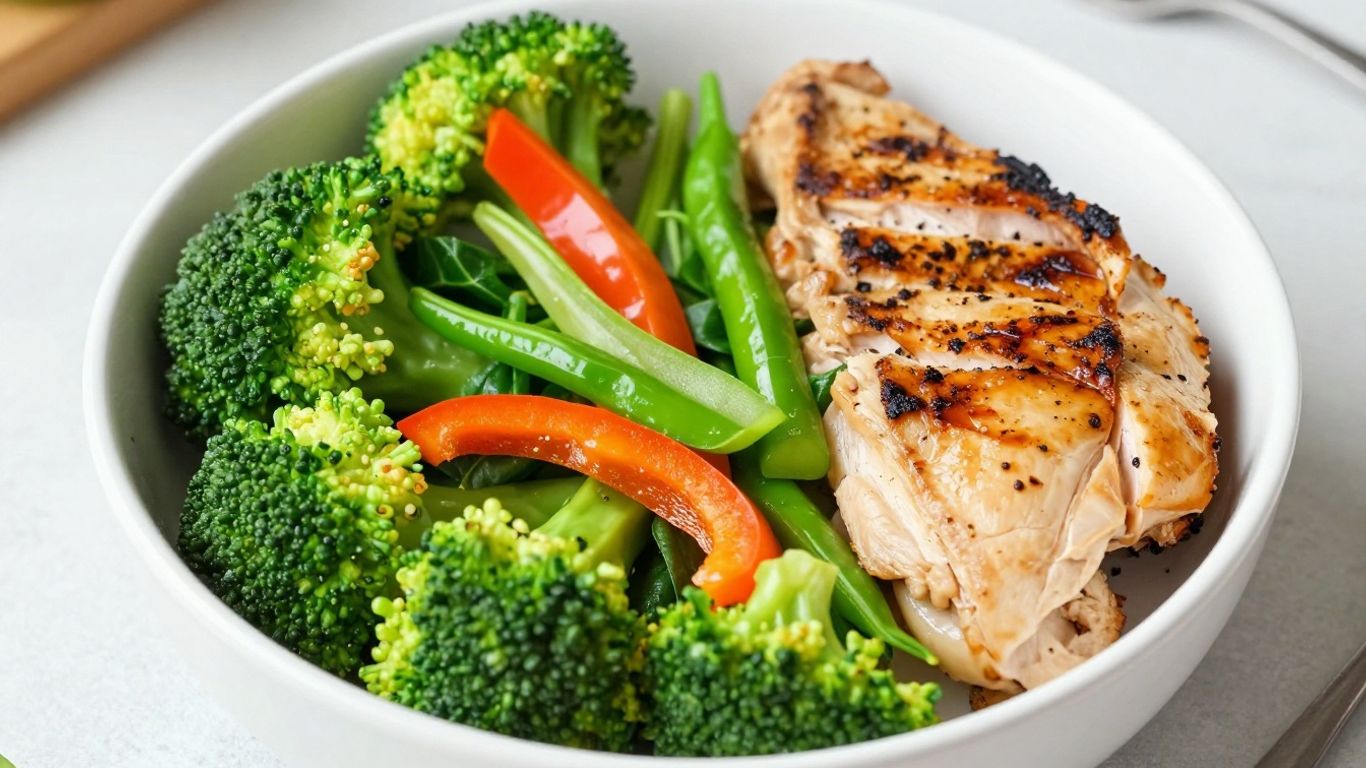
Making big changes to how you eat can feel like a lot, right? It’s easy to get overwhelmed. The trick here is to not try and overhaul everything overnight. Think of it like building a house; you start with a solid foundation and add things bit by bit. The goal isn’t perfection from day one, but steady progress. We’re talking about making small, smart swaps that add up over time.
Gradual Implementation for Lasting Habits
This is where the rubber meets the road. You’ve learned about all these great, high-volume foods, but how do you actually get them onto your plate consistently? It starts with a plan, but not a rigid, impossible one. Instead, focus on introducing just one or two new habits each week. Maybe this week, you commit to adding a big handful of spinach to your morning eggs. Next week, perhaps you swap half your usual rice for cauliflower rice. These aren’t drastic changes, but they are changes that stick because they don’t feel like a punishment.
- Start with one meal: Pick one meal a day, like breakfast or lunch, and focus on making it volume-rich. Once that feels normal, expand to other meals.
- Focus on one food group: Dedicate a week to increasing your vegetable intake, then the next week, focus on adding more lean protein.
- Use a visual cue: Keep a bowl of pre-washed berries or chopped carrots on your counter as a reminder to snack smart.
The most effective way to build new habits is to make them easy to start and easy to maintain. If it feels like too much work, you’re less likely to do it. Small, consistent actions are the real secret sauce.
Focusing on Small, Consistent Swaps
Let’s get real. Nobody wants to eat bland, boring food just because it’s low in calories. Volume eating smart is about making your meals more satisfying, not less. This means looking at your current favorite meals and figuring out where you can add more bulk without adding a ton of calories. Think about your pasta dishes, your stir-fries, your salads. Can you add more non-starchy vegetables? Can you use a lighter sauce? It’s about smart substitutions, not total elimination.
Here’s a quick look at how simple swaps can make a big difference:
| Original Meal Component | Volume-Smart Swap | Benefit |
|---|---|---|
| 1 cup white rice | 1/2 cup white rice + 1 cup riced cauliflower | Significantly more volume, fewer calories |
| 3 whole eggs | 1 whole egg + 4 egg whites + 1 cup spinach | Higher protein, more nutrients, much larger portion |
| Creamy salad dressing | Light vinaigrette or lemon juice & herbs | Drastically reduces fat and calories, maintains flavor |
Building Momentum Through Achievable Goals
When you start seeing results, even small ones, it’s motivating. That’s why setting achievable goals is so important. Don’t aim to eat perfectly 100% of the time. Instead, aim for consistency. Maybe your goal is to hit your vegetable target five days a week. Or perhaps it’s to prep your lunches three times a week. Celebrate these wins! Each small success builds confidence and makes it easier to stick with the plan long-term. It’s about creating a positive feedback loop where you feel good about your choices, which then encourages you to keep making them.
Calorie Adjustment for Weight Management Goals
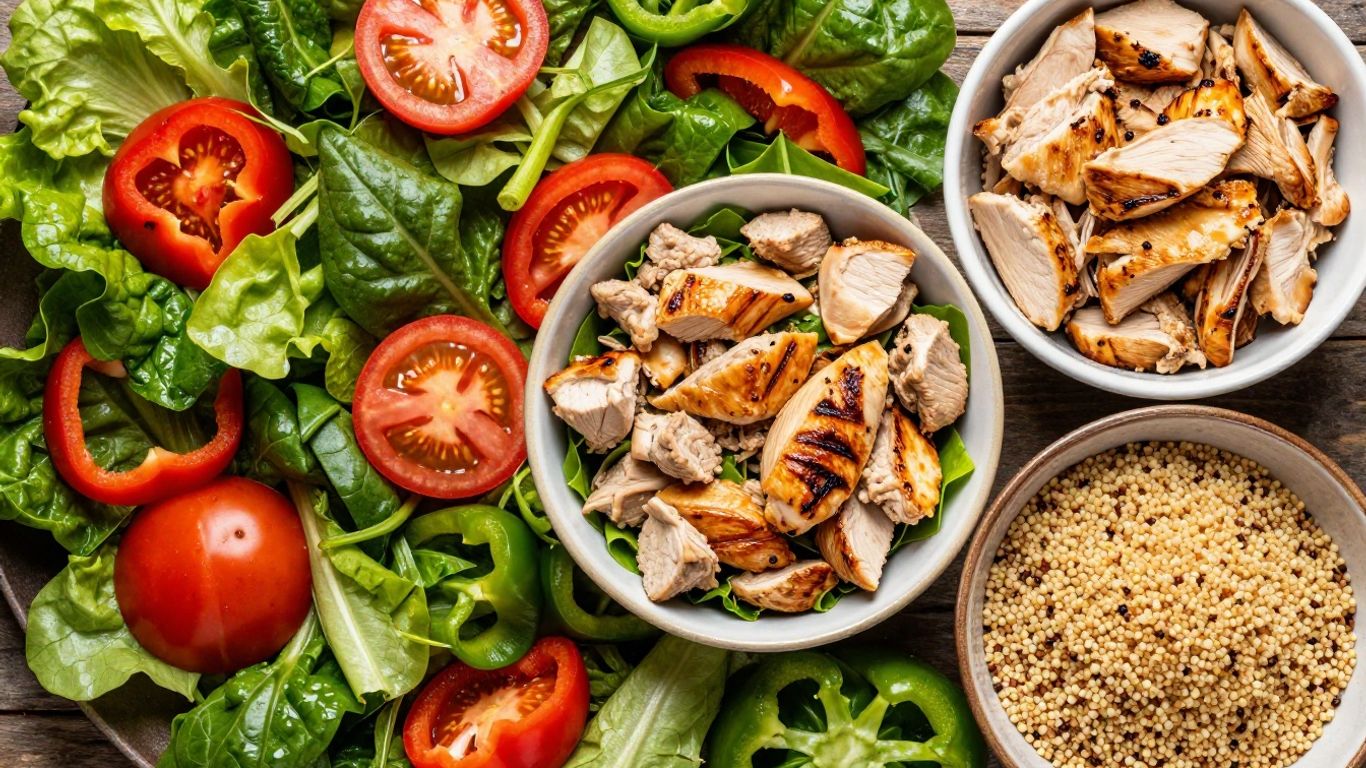
So, you’re aiming to gain weight, maybe to build muscle or just to reach a healthier number on the scale. That’s awesome! But here’s the thing: just eating more isn’t always the smartest way to go about it. We want to make sure that extra food is actually helping you reach your goals, not just adding unwanted fluff. This section is all about fine-tuning your calorie intake so you gain weight effectively and efficiently.
Understanding Calorie Needs for Gain
Think of calories as the fuel your body needs. To gain weight, you need to consume more fuel than your body burns. This is called a calorie surplus. The exact amount you need depends on a few things, like your age, sex, activity level, and metabolism. It’s not a one-size-fits-all situation. For muscle gain, a small, consistent surplus is usually best. Too much, and you might gain more fat than you’d like. Too little, and you might not see the progress you’re hoping for.
Weekly Weigh-Ins for Progress Monitoring
This is where the rubber meets the road. You can estimate your calorie needs all you want, but the real test is what happens on the scale. Weigh yourself at the same time, under the same conditions, ideally once a week. Don’t obsess over daily fluctuations; those are normal. Look for the trend over a few weeks. Are you gaining about 0.5 to 1 pound per week? If so, you’re likely in a good spot. If you’re not gaining, or gaining too quickly, it’s time to make some adjustments.
Simple Adjustments for Calorie Control
Don’t feel like you need to become a calorie-counting wizard overnight. Small, consistent changes can make a big difference. If you’re not gaining weight, try adding a little something extra to your meals. Maybe it’s an extra handful of nuts, a glass of milk with your lunch, or a bit more healthy fat like avocado on your toast. If you’re gaining too fast, you can slightly reduce portion sizes or cut back on calorie-dense snacks. The key is to make these adjustments gradually and observe the results.
Here are some easy ways to tweak your intake:
- Add a healthy fat: A tablespoon of olive oil drizzled on your salad, a quarter of an avocado with your eggs, or a small handful of almonds as a snack.
- Increase protein portions: Add an extra ounce of chicken to your meal or an extra scoop of protein powder to your shake.
- Incorporate calorie-dense liquids: A smoothie made with fruit, yogurt, and a bit of nut butter, or a glass of whole milk.
- Don’t shy away from carbs: Add an extra half-cup of rice or quinoa to your dinner.
The goal isn’t just to eat more, but to eat smarter. By focusing on nutrient-dense foods and making small, calculated adjustments based on your progress, you can effectively manage your calorie intake to support your weight gain goals without unnecessary fat accumulation.
Precision Tracking for Optimized Results
The Benefits of Calorie Monitoring
Look, nobody loves tracking calories. It can feel like a chore, right? But if you’re serious about getting your body composition just right, whether that’s building muscle or shedding fat, knowing your numbers makes a huge difference. It’s not about obsessing over every single bite, but about understanding how much fuel you’re actually giving your body. This awareness helps you make smarter food choices and ensures you’re hitting your targets consistently. Without some form of tracking, it’s easy to overestimate or underestimate your intake, which can really stall your progress.
Choosing the Right Tracking Tools
There are tons of apps and methods out there for tracking. Some people like old-school pen and paper, others prefer a digital approach. If you’re going digital, look for something that’s easy to use and has a big food database. Some apps even adjust your calorie goals based on how you’re progressing, which is pretty neat. It takes the guesswork out of figuring out if you need to eat a bit more or a bit less.
Here are a few popular options:
- Calorie Counting Apps: Many available, some with barcode scanners and recipe builders.
- Fitness Trackers: Some devices sync with apps to estimate calorie burn.
- Food Journals: Simple notebooks for manual logging.
Leveraging Data for Lean Bulking
When you’re aiming for a lean bulk, precision is key. You want to eat just enough extra calories to build muscle without packing on a lot of unwanted fat. Tracking helps you stay in that sweet spot. You can see exactly how your food intake affects your weight gain and adjust accordingly. It’s about making small, informed changes based on what the data tells you.
Small, consistent adjustments based on your weigh-ins are far more effective than drastic changes. This data-driven approach allows for steady progress without feeling deprived or overeating.
For example, if you’re not gaining weight as expected, you might simply add an extra handful of nuts or a piece of fruit to your day. If you’re gaining too quickly, you might slightly reduce portion sizes of calorie-dense items. This iterative process, guided by your tracking, is how you fine-tune your nutrition for optimal results.
Beyond the Basics: Advanced Volume Strategies
The Role of Healthy Fats in Volume Meals
While we often focus on low-calorie, high-volume foods, healthy fats play a supporting role in making meals satisfying and nutrient-dense. They aren’t the primary drivers of bulk, but they are important for satiety and absorbing certain vitamins. Think of them as flavor enhancers and nutrient helpers rather than the main event. Small amounts of avocado, nuts, seeds, or olive oil can add richness and help you feel full longer, making your high-volume meals more complete. It’s about balance; you don’t need a lot, but the right kind of fat makes a difference.
Utilizing Minimally Processed Foods
Sticking to foods in their most natural state is a smart move for volume eating. Whole foods, like fruits, vegetables, lean meats, and whole grains, generally have more fiber and water content compared to their processed counterparts. This means they take up more space in your stomach for fewer calories. Processed foods often have calories packed into smaller volumes, sometimes with added sugars or fats that don’t contribute to fullness. Choosing whole foods means you’re getting more nutrients and fiber per bite, which is the core idea behind eating smart.
Exploring Diverse Sources of Micronutrients
Volume eating isn’t just about filling up; it’s about fueling your body with everything it needs. While focusing on high-volume foods like vegetables and lean proteins, make sure you’re getting a wide array of vitamins and minerals. Different colored vegetables offer different micronutrients. For example, dark leafy greens are packed with iron and vitamin K, while bell peppers provide vitamin C. Aim for variety in your plate throughout the week. This ensures you’re not just eating a lot, but eating a lot of good things that support overall health and well-being. It’s about making every calorie count, not just in terms of volume, but in terms of nutritional value too.
Ready to move past the basics in volume trading? Our section, "Beyond the Basics: Advanced Volume Strategies," dives deep into powerful techniques that can help you spot market trends and make smarter moves. Learn how to use volume to your advantage and gain an edge. Visit our website today to explore these advanced strategies and take your trading to the next level!
Putting It All Together
So, we’ve talked about how to make your meals bigger without packing in extra calories you don’t need. It’s all about picking the right foods – think lots of veggies, lean proteins, and smart carbs. Remember those simple swaps, like mixing cauliflower rice with regular rice, or loading up your omelets with greens. Meal prep is your best friend here; a little bit of chopping and cooking on Sunday can save you a lot of hassle during the week. By focusing on nutrient-dense, high-volume foods, you can feel full and satisfied while still hitting your fitness goals. It’s not about eating less, it’s about eating smarter. Give these ideas a try, and you’ll see that fueling your body can be both effective and enjoyable.
Frequently Asked Questions
What exactly is volume eating?
Volume eating is all about choosing foods that take up a lot of space in your stomach but don’t have a ton of calories. Think lots of veggies and lean protein! It helps you feel full and satisfied without eating too much.
How can I make my meals bigger without adding lots of calories?
You can swap out some of your usual high-calorie foods for lower-calorie, high-volume options. For example, mix regular rice with cauliflower rice, or add lots of non-starchy vegetables like broccoli or spinach to your meals.
Are vegetables really that important for volume eating?
Absolutely! Vegetables are packed with fiber and water, which fill you up. They add tons of volume to your plate for very few calories, plus they give you important vitamins and minerals.
Can I still eat my favorite carbs like rice and pasta?
Yes! Instead of cutting them out, try using half your usual amount and filling the other half with a high-volume alternative like zucchini noodles or riced cauliflower. It’s a smart way to get the best of both worlds.
How does protein fit into volume eating?
Protein is super important because it helps you feel full longer. Lean proteins like chicken breast, egg whites, and Greek yogurt add a lot of satisfying power to your meals without a lot of extra calories.
Is meal prepping necessary for volume eating?
Meal prepping can really help! If you have chopped veggies or cooked lean protein ready to go, it’s much easier to throw together a big, healthy meal quickly when you’re busy. It makes sticking to your plan way simpler.
Will volume eating help me gain muscle?
Volume eating can definitely support muscle gain. By filling up on nutrient-dense foods, you get the energy and protein you need for workouts and muscle repair, while still managing your overall calorie intake effectively.
What are some easy first steps to try volume eating?
Start small! Try adding an extra cup of spinach to your omelet, swapping half your rice for cauliflower rice, or making a big salad as your main meal. Small changes add up and make it easier to get used to.