
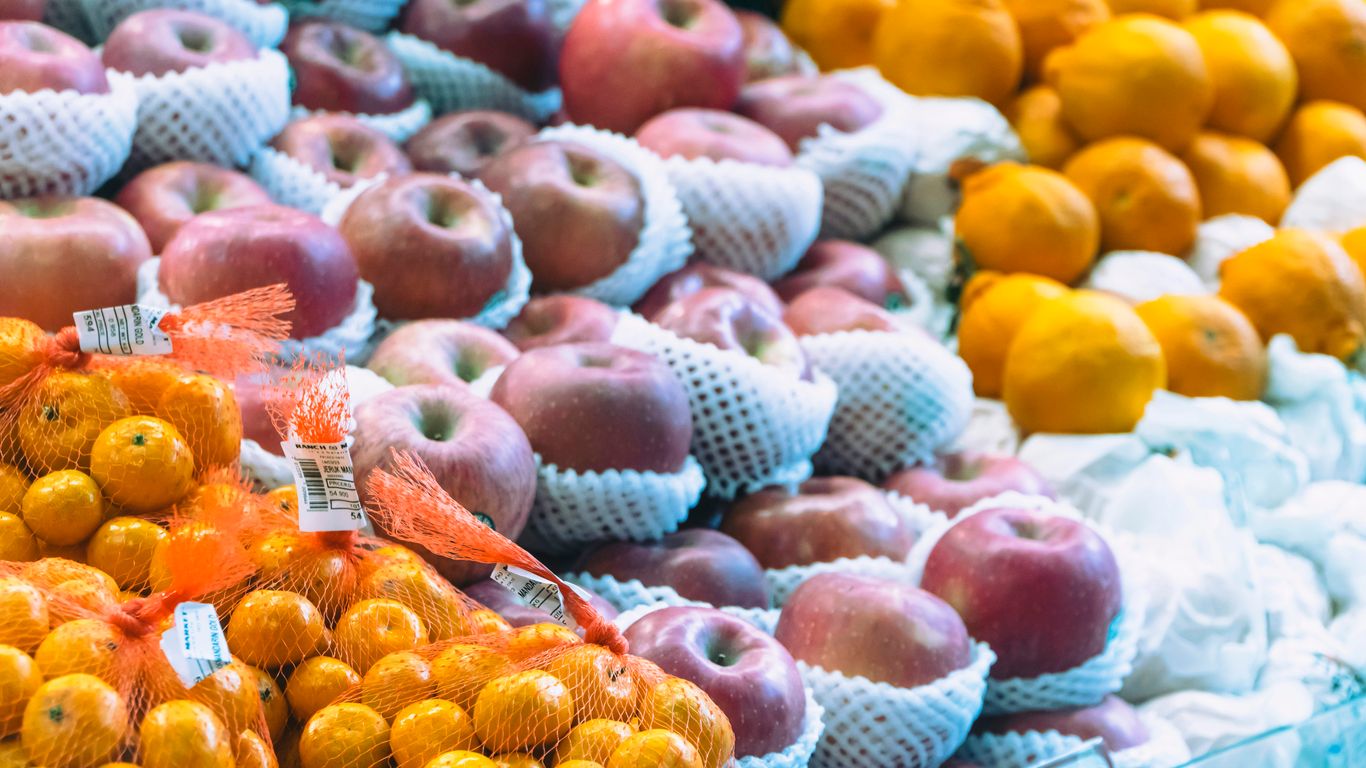
Feeling a bit bloated? Want to keep your blood pressure in check? It might be time to look at your diet, specifically how much potassium you’re getting. This mineral is pretty important for a lot of things your body does, and luckily, there are tons of tasty potassium foods out there. We’re talking about produce, beans, and even some dairy-free options. Let’s explore how to get more of these good foods into your meals.
Key Takeaways
- Load up on potassium-rich produce like potatoes (with the skin!), leafy greens, and squash to help manage bloat and support healthy blood pressure.
- Incorporate beans and legumes into your diet; they’re packed with fiber and protein, keeping you full and providing valuable potassium.
- Explore dairy-free alternatives like plant-based yogurts and fermented soy products for a potassium boost without the dairy.
- Heart-healthy fish like salmon and creamy avocados are excellent sources of potassium and beneficial fats.
- Be mindful of nutrient depletion in modern foods and consider organic options and smart shopping for fresh or frozen produce to maximize your potassium intake.
Discover Potassium-Rich Produce
When you think about getting more potassium, bananas often come to mind. And sure, they’ve got a decent amount, but they’re really just the tip of the iceberg. This essential mineral is hiding in plain sight in so many fruits and veggies, and loading up on them is a smart move for more than just warding off those annoying muscle cramps. Potassium plays a big role in keeping your heart happy and your blood pressure in check, partly by helping to balance out the effects of sodium.
The Power of Potatoes
Potatoes get a bad rap sometimes, but honestly, they’re nutritional powerhouses, especially when you keep the skin on. A medium baked potato, skin and all, packs a good punch of potassium. Plus, they’re pretty low in calories and bring along other minerals like magnesium and phosphorus. So next time you’re thinking about a side dish, don’t overlook the humble potato.
Leafy Greens: A Nutrient Powerhouse
Dark leafy greens are seriously one of the healthiest things you can put on your plate. It’s no surprise they’re also a great source of potassium. Think spinach, kale, chard, and beet greens. These aren’t just good for your blood pressure; they’re loaded with calcium, vitamin C, and vitamin K too. Some research even suggests compounds in greens can help with brain function. It’s hard to go wrong with adding more of these to your meals.
Sweet Squash and Stone Fruits
Don’t forget about the sweeter side of potassium! Acorn squash, for example, is a fantastic source, offering a good amount of potassium along with fiber and vitamins A and C. And while we often think of dried fruits like apricots for their sweetness and fiber, they also deliver a solid dose of potassium. Just be mindful of portion sizes with dried fruits due to their concentrated sugars.
Loading up on a variety of produce is key. Different fruits and vegetables offer different nutrient profiles, so aiming for a colorful plate ensures you’re getting a wide range of beneficial compounds, including potassium.
Beans and Legumes: Filling and Fortifying

When you think about boosting your potassium intake, produce often comes to mind first. But don’t sleep on beans and legumes! These pantry staples are nutritional powerhouses, offering a fantastic combination of fiber, protein, and, yes, plenty of potassium. They’re not just filling; they’re incredibly fortifying for your overall health.
White Beans for Fiber and Protein
White beans, like cannellini or navy beans, are absolute champions when it comes to packing a nutritional punch. A half-cup serving can give you a good chunk of your daily recommended value for potassium. Plus, they’re loaded with fiber, which is great for keeping you feeling full and satisfied after a meal. This can help curb those pesky cravings and support a healthy digestive system. They also provide a solid dose of plant-based protein, making them a great addition for anyone looking to reduce their meat consumption or simply add more plant power to their plate.
Kidney Beans and Their Benefits
Kidney beans are another excellent choice. They offer a similar potassium boost to white beans and are also rich in fiber and protein. What’s really interesting about beans, though, is how they can help manage blood sugar levels. The fiber content slows down the absorption of sugar into your bloodstream, preventing those sharp spikes and crashes. This makes them a smart choice for sustained energy throughout the day. They also contain various antioxidants and phytonutrients that contribute to overall well-being.
Soaking beans before cooking can significantly reduce the compounds that cause gas, making them easier to digest. It also helps lower phytate levels, which can interfere with mineral absorption, and can even shorten cooking time, saving you energy.
Here’s a quick look at the potassium content in some common beans (per 1/2 cup cooked):
| Bean Type | Potassium (mg) |
|---|---|
| White Beans | ~600-700 |
| Kidney Beans | ~500-600 |
| Black Beans | ~400-500 |
| Lentils | ~350-450 |
These numbers can vary slightly depending on the specific variety and how they’re prepared, but they all contribute nicely to your daily potassium needs.
Dairy-Free Delights for Potassium

Yogurt Alternatives and Probiotics
When you’re looking to boost your potassium intake without dairy, there are some fantastic options out there. Think about plant-based yogurts. Many are made from almond, coconut, or soy milk, and they can be a good source of potassium. Plus, a lot of these dairy-free yogurts are fortified with probiotics, which are great for your gut health. It’s a win-win, really. Just be mindful of added sugars in flavored varieties; plain is usually the way to go for maximum health benefits.
Exploring Fermented Soy Options
Fermented soy products are another area worth exploring for potassium and other benefits. Tempeh, for instance, is a firm, versatile soy product that can be added to salads or cooked dishes. Miso, often used to make soup, is another fermented soy option. While miso does contain sodium, some studies suggest it doesn’t negatively impact blood pressure. These fermented foods offer unique flavors and textures, plus they can contribute to your daily potassium needs. It’s amazing how many ways you can get this important mineral outside of traditional dairy.
Here’s a quick look at some dairy-free potassium sources:
- Plant-based yogurts: Often made from almond, coconut, or soy, and frequently fortified.
- Tempeh: A fermented soy product, great for cooking.
- Miso: Used in soups and other dishes, a fermented soy paste.
Remember to check labels, especially for added sugars and sodium content, even in seemingly healthy dairy-free alternatives. Variety is key to getting a good range of nutrients.
Heart-Healthy Fish and Fats
When we talk about supporting our blood pressure and overall heart health, it’s easy to focus just on what to cut out. But what we add to our diet matters just as much, if not more. That’s where healthy fats and certain fish come into play, offering not just flavor but also important nutrients like potassium and omega-3s.
Salmon’s Omega-3 and Potassium
Fatty fish, especially salmon, is a fantastic source of omega-3 fatty acids. These aren’t just buzzwords; they’re types of fats your body can’t make on its own, and they play a big role in keeping inflammation down and supporting heart function. Plus, salmon packs a good amount of potassium, which, as we’ve discussed, helps balance out sodium and keep blood pressure in check. It’s a win-win.
Aim to include fatty fish like salmon in your diet a couple of times a week. It’s a simple way to get those beneficial omega-3s and a good dose of potassium without needing supplements.
Avocado: A Creamy Potassium Source
Don’t let the "fat" in its name fool you; avocados are packed with monounsaturated fats, the kind that are good for your heart. They’re also surprisingly high in potassium, often more than a banana! This makes them a great addition to meals if you’re looking to boost your potassium intake naturally. Think of them mashed on whole-grain toast, blended into smoothies, or sliced into salads.
Here’s a quick look at the potassium content in a typical serving:
| Food | Serving Size | Potassium (mg) |
|---|---|---|
| Avocado | 1 cup, diced | ~728 |
| Banana | 1 medium | ~422 |
| Sweet Potato | 1 cup, baked | ~542 |
While avocados are great, remember they are calorie-dense. Enjoy them in moderation as part of a balanced diet. Their healthy fats also help your body absorb fat-soluble vitamins from other foods you eat with them, like the carotenoids in vegetables.
Understanding Potassium’s Role
Counteracting Sodium for Blood Pressure
Potassium is a real team player when it comes to keeping your body running smoothly, especially concerning your blood pressure. Think of it like this: sodium, which we get a lot of from processed foods, tends to make your blood pressure go up. Potassium, on the other hand, helps to balance that out. It signals your body to get rid of some of that extra sodium and also helps to relax your blood vessel walls. This combination is pretty important for keeping your blood pressure in a healthy range. It’s not just about cutting back on salt; it’s also about making sure you’re getting enough potassium to do its job.
Supporting Muscle Function
Beyond blood pressure, potassium is a big deal for your muscles. It plays a key role in how your muscles contract and relax. Ever get those annoying muscle cramps? Sometimes, not having enough potassium can be a reason why. It’s involved in the electrical signals that tell your muscles when to move. So, whether you’re just walking around or hitting the gym, potassium is working behind the scenes to help your muscles perform. Getting enough of it can really make a difference in how your body feels and moves throughout the day.
Navigating Nutrient Depletion
It’s a bit disheartening, but the food we eat today often doesn’t pack the same nutritional punch it used to. Think about it: farming practices have changed a lot over the years. We’ve focused on growing crops faster and in larger quantities, sometimes at the expense of the soil’s health. This can mean that even produce that looks great might have fewer vitamins and minerals than its ancestors.
The Impact of Modern Agriculture
Our modern agricultural system has really changed how our food is grown. For instance, many of the fruits and vegetables we see in the supermarket come from just a handful of varieties. Back in the day, there were way more options, and these older varieties often had more nutrients. Plus, the soil itself can get worn out. When farmers don’t use practices that help the soil recover, like rotating crops, the soil loses some of its natural goodness. This means the plants grown in it might not absorb as many minerals and vitamins. It’s like trying to grow a plant in tired dirt – it just won’t be as robust.
Choosing Nutrient-Dense Foods
So, what can we do about it? Well, being a bit more mindful about our food choices can make a difference. It’s not about being perfect, but about making smarter picks when we can.
- Look for variety: Try to include a wide range of fruits and vegetables in your diet. Different colors often mean different nutrients.
- Consider the source: If possible, look into where your food comes from. Local farms or farmers’ markets might offer produce that’s fresher and hasn’t traveled as far.
- Don’t toss the skins: For many fruits and vegetables, like potatoes and apples, the skins contain a good amount of nutrients. Just be sure to wash them well!
- Think about how it’s grown: While not always an option, sometimes choosing organic can mean fewer pesticide residues and potentially more nutrients, though this can vary.
It’s easy to feel overwhelmed by all the talk about food quality. The main takeaway is that focusing on whole, unprocessed foods is generally a good bet. These foods tend to be more nutrient-rich than highly processed options, which often have fewer vitamins and minerals to begin with.
Smart Shopping for Potassium Foods
When you’re trying to boost your potassium intake, hitting the grocery store can feel a bit overwhelming. So many choices, right? But with a little planning, you can fill your cart with potassium powerhouses without breaking the bank or spending hours in the aisles. Focusing on whole, unprocessed foods is your best bet.
Prioritizing Fresh and Whole Foods
Think about what’s in season and what looks good. Often, the freshest produce will have the most nutrients. When you’re at the store, try to grab:
- Potatoes (with skin): Don’t shy away from these! A medium baked potato with the skin on is packed with potassium and other good stuff like magnesium and phosphorus. They’re surprisingly low in calories too.
- Leafy Greens: Spinach, kale, chard – these are potassium champions. Look for vibrant colors and firm leaves. They’re great in salads, smoothies, or sautéed.
- Beans and Legumes: Dried or canned (rinse them well!), beans like white beans and kidney beans are fantastic sources of potassium, fiber, and plant-based protein. They keep you feeling full.
- Stone Fruits: Think apricots, peaches, and plums. Fresh or dried, they offer a good dose of potassium and fiber.
The Benefits of Frozen Produce
Don’t discount the freezer aisle! Frozen fruits and vegetables are often picked at their peak ripeness and flash-frozen, which locks in nutrients. Sometimes, they can even be more nutrient-dense than fresh produce that’s traveled long distances. This is especially true for:
- Berries: Great for smoothies and yogurt.
- Peas and Corn: Easy additions to meals.
- Spinach and Kale: Perfect for quick sautés or adding to soups.
Frozen options are also super convenient and can help reduce food waste because they last so much longer.
Considering Organic Options
When it comes to buying organic, it’s a personal choice, but it can be beneficial, especially for produce you eat a lot of. Organic farming practices often focus on soil health, which can lead to more nutrient-dense foods. Plus, you’re reducing your exposure to pesticides and herbicides. If budget is a concern, resources like the Environmental Working Group’s "Dirty Dozen" and "Clean Fifteen" lists can help you prioritize which items are most important to buy organic.
Choosing nutrient-dense foods doesn’t have to be complicated. By making smart choices at the grocery store, you can easily increase your potassium intake and support your overall health. It’s about picking the right ingredients that work for your body and your lifestyle.
Meal Prep Strategies
Getting a handle on your potassium intake doesn’t have to mean spending hours in the kitchen every single day. A little bit of planning goes a long way. Think of meal prep as your secret weapon against bloat and for supporting healthy blood pressure.
Batch Cooking Staples
This is where you really get ahead. Dedicate a couple of hours on a weekend, or whenever you have some downtime, to cook larger portions of versatile ingredients. These can then be mixed and matched throughout the week.
- Beans and Legumes: Cook a big pot of white beans, kidney beans, or lentils. They’re fantastic for adding fiber and protein to salads, soups, or as a side dish.
- Grains: Make a large batch of quinoa, brown rice, or even oatmeal. These form the base of many quick meals.
- Root Vegetables: Roast a big tray of potatoes or sweet potatoes. They’re great hot or cold.
The goal is to have ready-to-go components that make assembling a healthy meal quick and easy.
Pre-Chopping Vegetables
This might seem small, but it makes a huge difference. Wash and chop vegetables like bell peppers, onions, carrots, and broccoli ahead of time. Store them in airtight containers in the fridge.
When vegetables are prepped and ready to go, you’re far more likely to reach for them when you’re hungry, rather than opting for something less healthy. It removes a significant barrier to cooking fresh.
This simple step means you can throw together a stir-fry, add veggies to a scramble, or toss them into a soup with minimal effort during the busy week. It’s all about making the healthy choice the easy choice.
Special Considerations for Potassium Intake
While potassium is generally a good thing for most people, there are a couple of situations where you might need to pay a bit more attention to how much you’re getting.
Kidney Health and Potassium
If you have kidney disease, your body might have trouble getting rid of extra potassium. This can lead to a buildup in your blood, which isn’t good. It’s really important to talk to your doctor or a registered dietitian if you have kidney issues before making big changes to your diet, especially if you’re planning to load up on potassium-rich foods. They can help you figure out the right amount for you. Foods like potatoes, avocados, tomatoes, bananas, and dried fruits are high in potassium, so they might need to be eaten in moderation or prepared in specific ways.
Managing Vitamin K Intake with Blood Thinners
This one is a bit less common but still worth mentioning. Some leafy green vegetables, like spinach and kale, are not only packed with potassium but also with Vitamin K. Vitamin K plays a role in blood clotting. If you’re on blood-thinning medication, like warfarin, your doctor will likely monitor your Vitamin K intake closely. Too much Vitamin K can interfere with how your medication works. It doesn’t mean you have to avoid these healthy greens altogether, but consistency is key. Your doctor or dietitian can guide you on how to balance your potassium goals with your medication needs.
It’s always a good idea to check in with your healthcare provider about your specific dietary needs, especially if you have any underlying health conditions or are taking medications. They can offer personalized advice to keep you healthy and safe.
Embracing a Plant-Forward Approach
Shifting towards eating more plants isn’t just a trend; it’s a smart move for your health and the planet. When we talk about a plant-forward diet, we mean making plants the star of your plate, not just a side dish. This approach naturally boosts your intake of potassium and other vital nutrients found abundantly in fruits, vegetables, beans, and whole grains. It’s about focusing on real food, the kind that grows from the earth, rather than processed items that often lack nutritional punch and can contribute to that bloat we’re trying to beat.
The Advantages of Plant-Based Eating
Choosing to eat more plants offers a whole lot of benefits. For starters, it’s a fantastic way to get more potassium into your system. Think about it: potatoes, sweet potatoes, spinach, bananas, and beans are all packed with it. These foods also come loaded with fiber, which is great for digestion and can help reduce bloating. Plus, plant-based foods are generally lower in sodium, which is key for managing blood pressure. It’s a win-win situation for your body.
- Increased Potassium Intake: Many plant foods are natural potassium powerhouses.
- Improved Digestion: Fiber from plants keeps things moving smoothly.
- Lower Sodium Levels: Most plant foods are naturally low in sodium.
- Rich in Antioxidants: Plants provide compounds that help protect your cells.
The quality of the soil where our food is grown plays a huge role in its nutrient content. Foods grown in healthy, living soil tend to be more nutrient-dense than those grown in depleted soil, even if they are both considered ‘organic’. This means the plants themselves are healthier and can pass on more goodness to us.
Reducing Environmental Impact Through Diet
Beyond personal health, a plant-forward approach has a significant positive impact on our environment. Traditional farming methods, especially those relying heavily on synthetic fertilizers and monocultures, can deplete soil health and contribute to greenhouse gas emissions. By supporting farming practices that focus on soil regeneration and biodiversity, and by choosing more plant-based meals, we can help reduce our carbon footprint. It’s about making conscious choices that benefit both ourselves and the world around us. Think of it as eating with a purpose, where every meal can contribute to a healthier planet.
Switching to more plant-based meals is a fantastic way to boost your health and help the planet. It’s not about giving up everything you love, but about adding more colorful fruits, veggies, and grains to your plate. Discover how easy and delicious eating this way can be. Ready to explore the benefits? Visit our website to learn more and get started on your plant-forward journey today!
Putting It All Together
So, there you have it. Getting enough potassium doesn’t have to be complicated. By focusing on whole foods like fruits, veggies, beans, and even some dairy-free options, you’re not just boosting your potassium intake, you’re also doing wonders for your overall health. Remember, small changes add up. Start by swapping out a few processed snacks for a piece of fruit or a handful of nuts. Your body, especially your gut and your blood pressure, will thank you for it. It’s all about making smart, simple choices that feel good and keep you feeling good.
Frequently Asked Questions
Why is potassium important for my body?
Potassium is like a superhero mineral for your body! It helps your muscles work right and keeps your heart beating steadily. It’s also a great helper in keeping your blood pressure from getting too high, especially by balancing out the salt you eat.
What are some easy-to-find foods high in potassium?
You can find lots of potassium in everyday foods! Think about potatoes (especially with the skin on), sweet potatoes, leafy green veggies like spinach and kale, beans like white beans and kidney beans, and even some fruits like bananas and dried apricots.
Can I get enough potassium without eating dairy?
Absolutely! There are tons of dairy-free ways to boost your potassium. Many plant-based yogurts are a good source, and you can also explore fermented soy products like tempeh or miso. Plus, all the fruits, veggies, and beans mentioned are naturally dairy-free!
How do beans help with feeling full and getting nutrients?
Beans are like little powerhouses! They’re packed with both protein and fiber. Protein helps build and repair your body, while fiber helps you feel full and satisfied for longer, which can be great for managing your weight and keeping your digestion happy.
What does ‘nutrient depletion’ mean for the food I eat?
Basically, it means that over time, farming methods have sometimes made the soil less rich in nutrients. This can lead to fruits and vegetables that don’t have as many vitamins and minerals as they used to. It’s why choosing a variety of healthy foods is super important.
Are frozen fruits and vegetables as good as fresh ones for potassium?
Yes, they often are! Frozen produce is usually picked at its peak freshness and then frozen right away. This locks in the nutrients, sometimes making them even better than fresh produce that has traveled a long way. They’re a convenient and healthy choice.
What should I be careful about if I have kidney problems and want to eat more potassium?
If you have kidney issues, it’s really important to talk to your doctor before making big changes to your diet. Your kidneys help manage potassium, so too much might be a problem. They can help you figure out the right amount and which foods are best for you.
Why is eating more plants good for my health and the planet?
Eating more plant-based foods is a win-win! It’s great for your health because these foods are full of vitamins, minerals, and fiber. It’s also better for the planet because growing plants generally uses fewer resources like water and land compared to raising animals for food. Plus, it helps cut down on waste.