Love My Weight

Herb Sauce Masterclass: chimichurri, zhug, pesto, and more

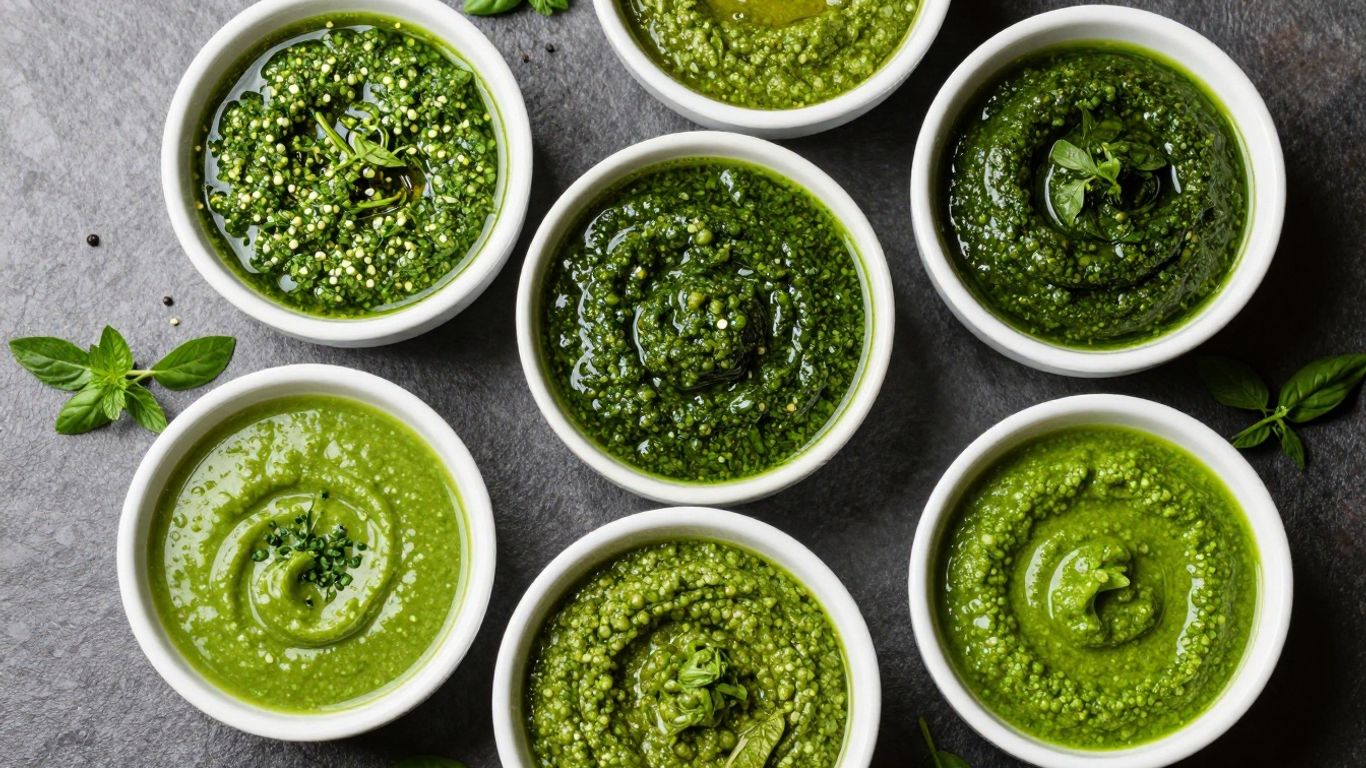
Sauces are pretty amazing, right? They can totally change a dish. Think about it, a simple piece of chicken can go from bland to brilliant with the right sauce. This article is all about exploring some of the best sauces out there, from the fresh green ones to the spicy red ones. We’re going to take a look at some classics and maybe even a few new ideas. It’s a real herb sauces masterclass, if you will. Get ready to discover some new favorites!

Key Takeaways

  • Pesto Genovese, a traditional Italian sauce, uses basil, pine nuts, garlic, and cheese, and is protected by EU DOP status.
  • Chimichurri, originating from Argentina, is a zesty herb sauce primarily used as a marinade and condiment for grilled meats.
  • Zhug is a spicy Yemenite condiment made with cilantro, parsley, green chilies, and spices, adding vibrant heat to various dishes.
  • Middle Eastern flavors are represented by tahini (sesame paste), harissa (spicy chili paste), and peri-peri (African-Portuguese chili sauce).
  • Latin American traditions include pebre (Chilean chili sauce), Jamaican jerk marinade (spicy and aromatic), and rum-based glazes for sweet and savory dishes.

A Global Herb Sauces Masterclass

Sauces are pretty amazing, aren’t they? They can take a simple meal and turn it into something special. Think about it – a drizzle of something bright and zesty, or maybe something rich and deep, can completely change how you experience food. This masterclass is all about exploring some of the most exciting herb sauces from around the world. We’re talking about flavors that have traveled across continents and centuries, becoming beloved parts of different food cultures.

The Enduring Appeal of Savory Sauces

There’s just something about a good savory sauce that keeps us coming back for more. It’s not just about adding flavor; it’s about adding character. These sauces often have a long history, passed down through generations, and they carry stories with them. They can be simple, made with just a few fresh ingredients, or incredibly complex, with layers of taste that unfold with every bite. The magic lies in their ability to transform everyday ingredients into something memorable. Whether it’s the tang of vinegar, the punch of garlic, or the freshness of herbs, these sauces hit all the right notes.

A Symphony of Flavors and Traditions

Each sauce we’ll explore has its own unique personality, shaped by the place it comes from and the people who make it. From the sunny coasts of Italy to the grilling pits of Argentina and the bustling markets of Yemen, these sauces are a reflection of their origins. They are a testament to how simple ingredients, when combined with care and tradition, can create something truly extraordinary. We’ll look at how these sauces are made, what makes them special, and why they’ve become so popular far beyond their home countries.

Culinary Icons That Transcend Borders

Some sauces are more than just condiments; they’re culinary icons. They’ve crossed oceans and become household names, appearing on tables everywhere. Think of pesto, chimichurri, or zhug – these aren’t just regional specialties anymore. They’ve been adopted and adapted, proving their universal appeal. Their journey from local favorites to global stars shows the power of great flavor and the way food connects us all. We’ll be getting into the details of a few of these stars, understanding what makes them tick and how you can bring their magic into your own kitchen.

The Vibrant World of Pesto

Pesto Genovese: A Taste of Ligurian Simplicity

Pesto, that bright green sauce we all know and love, really shines when we talk about its origins in Genoa, Italy. It’s a sauce that’s all about fresh ingredients coming together. Think vibrant basil, a little bit of garlic for bite, pine nuts for richness, and good quality cheeses like Parmigiano-Reggiano and Pecorino Sardo, all brought together with olive oil. It’s a simple recipe, really, but the quality of each part makes a big difference.

The Art of Traditional Preparation

Making pesto the old-fashioned way is quite an experience. It involves a marble mortar and a wooden pestle. You grind the garlic and pine nuts first, then add the basil leaves and pound them until they form a paste. Finally, the cheeses and olive oil are mixed in. This method is said to preserve the basil’s fresh flavor better than modern blenders, which can sometimes heat the leaves and change the taste. It’s a slower process, for sure, but it results in a sauce with a really lovely texture and aroma.

EU DOP Status and Regional Authenticity

Because Pesto Genovese is so special and tied to its region, it has a protected status in the European Union, called Denominazione di Origine Protetta (DOP). This means that to be called authentic Pesto Genovese, it has to be made in a specific area of Liguria, using a particular type of basil (Basilico Genovese DOP), and prepared using traditional methods. It’s a way to make sure that the pesto you’re enjoying is the real deal, just like it’s been made for centuries. It’s more than just a sauce; it’s a piece of Italian culinary heritage.

Chimichurri: The Soul of Argentine Grilling

An Herbaceous Marinade for Asado

When you think of Argentine barbecue, or asado, you can’t help but picture the vibrant green sauce that accompanies it: chimichurri. This uncooked condiment is more than just a sauce; it’s a fundamental part of the grilling experience. Made from finely chopped fresh parsley, minced garlic, dried oregano, red wine vinegar, and olive oil, it’s a bright, herbaceous concoction that cuts through the richness of grilled meats. Chimichurri is the perfect counterpoint to the smoky char of a perfectly cooked steak. It’s not just for steak, though. You’ll find it spooned over chorizo, chicken, and even grilled vegetables.

Debating the Origins of a Gaucho Classic

The exact beginnings of chimichurri are a bit fuzzy, which is common for many traditional dishes. Some stories link its name to Basque immigrants, suggesting it comes from the word "tximitxurri," meaning "a mix of things." Others point to Irish settlers who supposedly asked for "Jimmy’s sauce." Regardless of its true origin, it’s widely believed to have been developed by the gauchos, the legendary cowboys of the Argentine Pampas, sometime in the 19th century. They needed a way to add flavor to the meats they cooked over open fires, and this simple, fresh sauce was the answer. It’s a testament to how simple ingredients can create something truly special.

A Tangy Counterpoint to Charred Meats

What makes chimichurri so good with grilled food? It’s all about balance. The acidity from the vinegar wakes up your palate, while the fresh parsley and garlic provide a clean, aromatic lift. A pinch of chili flakes adds just a hint of warmth without overpowering the other flavors. It’s not a heavy, creamy sauce; it’s light and zesty, designed to complement, not mask, the taste of the meat. It’s the kind of sauce that makes you want another bite, and another.

Here’s a basic breakdown of what goes into a classic chimichurri:

  • Fresh Parsley: The star of the show, providing a vibrant green color and fresh, slightly peppery taste.
  • Garlic: Minced finely, it adds a pungent kick.
  • Oregano: Dried oregano is traditional and adds an earthy, aromatic note.
  • Red Wine Vinegar: Provides the essential tanginess.
  • Olive Oil: Binds the ingredients and adds a smooth richness.
  • Red Pepper Flakes: For a touch of heat.

The beauty of chimichurri lies in its simplicity and adaptability. While the core ingredients remain consistent, slight variations exist from family to family and region to region. Some might add a bit of cilantro, a touch of cumin, or even a splash of lemon juice. The key is the fresh, vibrant flavor profile that makes grilled meats sing.

Zhug: Yemen’s Fiery Green Condiment

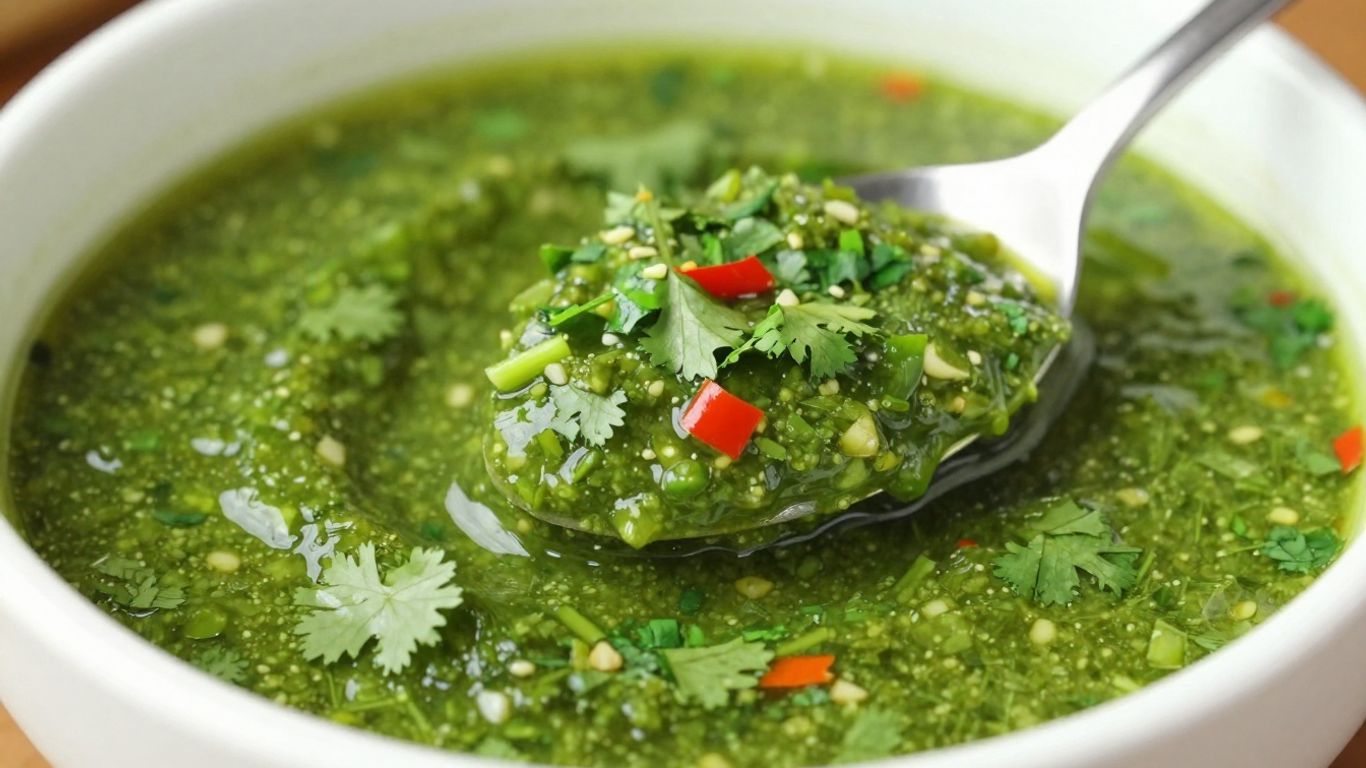
Bowl of spicy green zhug sauce with herbs and chili

A Bright and Spicy Yemenite Staple

Zhug, sometimes spelled Zhoug or Schug, is a vibrant green sauce that hails from Yemen. It’s a staple in many kitchens, especially among Yemenite Jews in Israel, and for good reason. This sauce packs a punch, offering a bright, herbaceous flavor with a noticeable kick of heat. It’s made primarily from fresh cilantro and parsley, blended with chilies, garlic, and a mix of aromatic spices. The result is a condiment that can wake up almost any dish. It’s not just about the heat, though; the fresh herbs and spices create a complex flavor profile that’s both invigorating and deeply satisfying.

The Role of Kafe Hawaij

While zhug can be made with a variety of spice blends, a common and traditional component is Kafe Hawaij. Hawaij, meaning "mixture" in Arabic, is a Yemeni spice blend. There are typically two main versions: Hawaij for savory dishes and Kafe Hawaij, which is sweeter and often used in coffee and desserts. However, in zhug, it’s the Kafe Hawaij that often finds its way in, adding a warm, aromatic depth. This blend usually includes spices like cardamom, cumin, coriander, and black peppercorns, sometimes with turmeric. It’s this specific spice mix that gives zhug its characteristic warmth and complexity, balancing the fresh, sharp notes of the herbs and chilies.

Here’s a general idea of what goes into Kafe Hawaij:

Spice Typical Proportion
Cardamom 2 parts
Cumin 2 parts
Coriander 1 part
Black Pepper 1 part
Cloves Pinch
Turmeric Optional

Versatile Applications Beyond Condiments

Don’t let its status as a "condiment" fool you; zhug is incredibly versatile. Its bright, spicy nature makes it a fantastic addition to a wide range of foods. Think of it as a flavor booster that can transform simple meals into something special.

Here are a few ways to enjoy zhug:

  • Spread it: Slather it on sandwiches, wraps, or burgers for an instant flavor upgrade.
  • Spoon it over: Drizzle it generously over roasted vegetables, grilled meats, fish, or even eggs.
  • Mix it in: Stir it into dips like hummus or yogurt for a spicy twist, or use it as a base for a zesty salad dressing.
  • Marinade: While potent, a little zhug can add a wonderful kick to marinades for chicken or lamb.

Zhug is a testament to how a few simple ingredients, when combined with care and tradition, can create something truly remarkable. Its fiery spirit and fresh aroma make it a welcome addition to any table, proving that sometimes, the most exciting flavors come from the most unexpected places.

It’s a sauce that truly lives up to its reputation, bringing a taste of Yemen’s rich culinary heritage to your plate with every vibrant, spicy bite. You’ll find yourself reaching for it again and again.

Exploring Middle Eastern Flavors

Tahini: A Versatile Sesame Foundation

Middle Eastern cooking has a foundational paste that’s been around for ages: tahini. It’s made from ground, hulled sesame seeds, and it’s pretty much everywhere in dishes like hummus and falafel. You can thin it out with water, lemon juice, garlic, and salt to make a sauce that goes with just about anything. It’s a real staple, showing up in so many classic recipes.

Harissa: The Bold Chili Paste of the Maghreb

Moving over to North Africa, specifically the Maghreb region, we find harissa. This isn’t just a little bit of spice; it’s a bold chili paste. Typically, it’s made from roasted or dried red peppers, garlic, olive oil, and a mix of spices like coriander, cumin, and caraway. Tunisia is often credited with its origin. Harissa is fantastic for adding a kick to couscous, tagines, and grilled meats. It really wakes up a dish.

Peri-Peri: A Fusion of African and Portuguese Heat

Down in Southern Africa, peri-peri sauce brings a different kind of heat. It’s a mix of bird’s eye chilies, vinegar, garlic, lemon, and herbs. This sauce has roots in Mozambique and Angola, showing how ingredients traveled and mixed over time, especially with Portuguese influence. It’s a tangy, spicy marinade that’s often used on chicken or seafood. It’s a great example of how chilies from the Americas found a new home and flavor profile in Africa.

Latin American Sauce Traditions

Latin America is a continent bursting with vibrant flavors, and its sauces are no exception. These aren’t just afterthoughts; they’re integral parts of the cuisine, often telling stories of history, culture, and local ingredients. We’re going to look at a couple of standouts that really capture the spirit of the region.

Pebre: Chile’s Fresh and Chili-Forward Sauce

Think of Pebre as Chile’s answer to salsa, but with its own distinct personality. It’s a fresh, uncooked sauce that’s incredibly versatile. You’ll find it served with almost everything, from empanadas to grilled meats. The base is usually chopped tomatoes, onions, cilantro, and of course, a good amount of chili peppers – often aji peppers, which give it a nice kick. A splash of vinegar, usually red wine vinegar, adds a bright tanginess that cuts through richer flavors. It’s simple, really, but the balance of fresh ingredients and heat is what makes it so good.

Pebre is a staple that brings a lively zest to Chilean tables.

It’s believed that Pebre gained popularity in the 19th century, possibly influenced by Catalan immigrants. Regardless of its exact origins, it has become a beloved part of everyday Chilean meals, showcasing how simple, fresh ingredients can create something truly delicious.

Jamaican Jerk Marinade: A Fiery Island Classic

When you think of Jamaican food, jerk is probably one of the first things that comes to mind. And the heart of that iconic flavor is the jerk marinade. This isn’t just a sauce; it’s a powerful blend of spices and heat that transforms whatever it coats. The star ingredients are usually allspice and scotch bonnet peppers. Allspice, also known as pimento, gives it that distinctive warm, slightly sweet, and pungent aroma. Scotch bonnets bring a serious level of heat, but also a fruity undertone that’s crucial to the flavor profile.

Beyond those, you’ll find thyme, ginger, garlic, and sometimes scallions and soy sauce or vinegar. The traditional method involves marinating meat, often chicken or pork, for hours, sometimes overnight. Then, it’s slow-cooked, ideally over pimento wood, which adds another layer of smoky flavor. The result is incredibly tender, intensely flavored meat with a spicy, aromatic crust.

The history of jerk is deeply tied to the Maroons, escaped enslaved Africans who lived in the mountainous interior of Jamaica. They blended indigenous Taíno cooking techniques with African spices and seasonings, creating a method of preserving and flavoring meat that was both practical and delicious.

Rum-Based Glazes: Sweet and Boozy Depths

Moving from savory heat to sweet indulgence, rum-based glazes are another hallmark of Caribbean cooking. These glazes are all about that rich, caramelized sweetness, often with a subtle boozy warmth. They typically start with dark rum, which is reduced down with brown sugar, spices like cinnamon or nutmeg, and sometimes citrus juice for brightness. The magic happens as it simmers and thickens, creating a sticky, glossy coating.

These glazes are fantastic for grilling or baking. Think of a ham glazed with rum and pineapple, or even grilled chicken wings with a sweet and sticky rum finish. They add a layer of complexity that’s hard to beat, balancing sweetness with the distinct character of the rum. It’s a taste that evokes the islands and their history with sugarcane and distillation, turning simple ingredients into something special.

The Rich Tapestry of Mexican Sauces

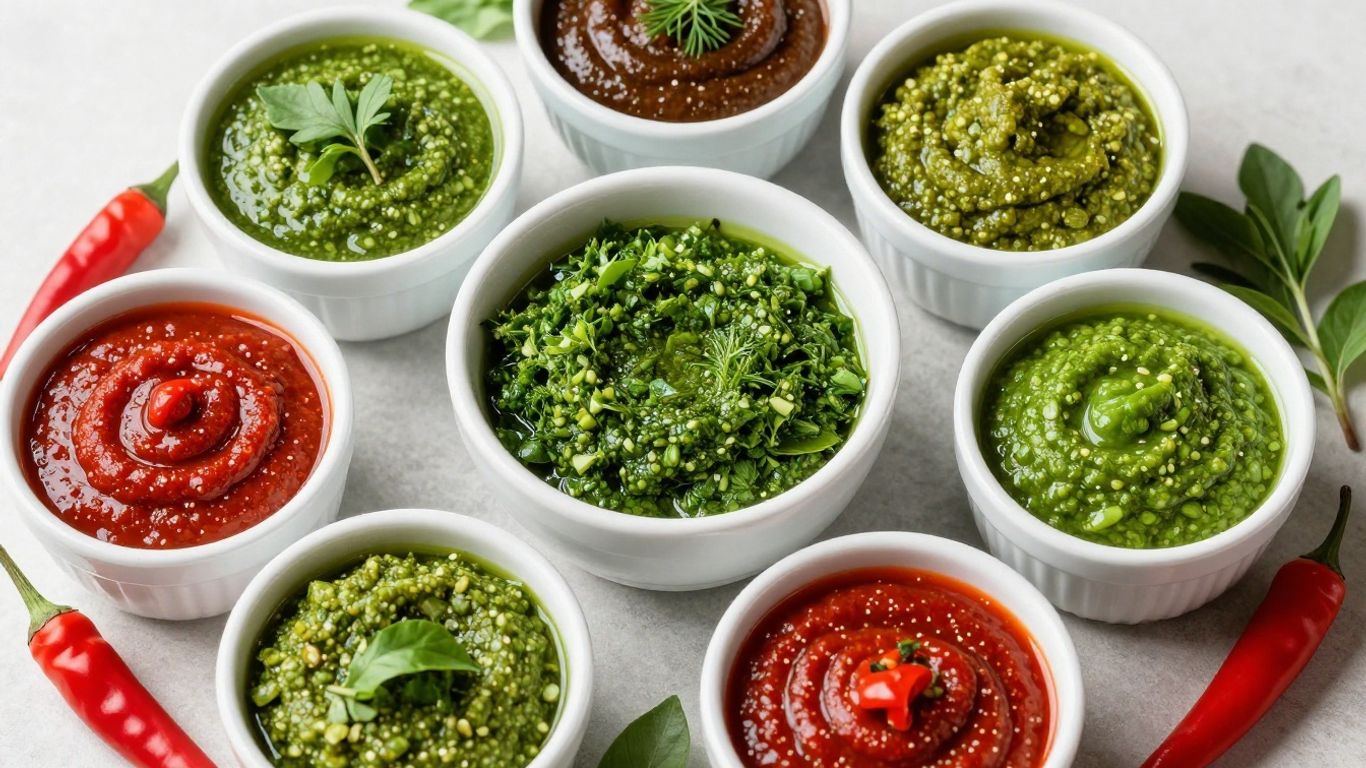
Assortment of fresh herb sauces like chimichurri, zhug, and pesto.

Mexican cuisine is a vibrant world of flavors, and its sauces are a big part of that. They aren’t just afterthoughts; they’re central to many dishes, bringing together indigenous ingredients with influences from centuries past. We’re going to look at three iconic examples that show just how diverse and delicious Mexican sauces can be.

Mole Poblano: A Complex Culinary Emblem

Mole poblano is often called the national dish of Mexico, and for good reason. It’s incredibly complex, with a flavor profile that’s hard to pin down but impossible to forget. Think of it as a deep, rich sauce that balances sweet, spicy, and savory notes all at once. It’s not something you whip up in five minutes; traditional recipes can involve dozens of ingredients and take hours to prepare.

  • Key Ingredients: Dried chilies (like ancho, mulato, and pasilla), chocolate, nuts (almonds, peanuts), seeds (sesame, pumpkin), spices (cinnamon, cloves, anise), and sometimes fruits.
  • Preparation: Ingredients are toasted, ground, and then simmered for a long time, often with chicken or turkey broth.
  • Serving: Traditionally served over turkey or chicken, especially during celebrations like the Day of the Dead or weddings.

Mole poblano is a testament to the slow-cooked traditions of Mexican cooking, where patience yields incredible depth and layers of flavor. It’s a sauce that tells a story with every bite.

Salsa Fresca: The Vibrant Acidity of Pico de Gallo

On the other end of the spectrum from mole is salsa fresca, more commonly known as pico de gallo. This is all about freshness and bright, clean flavors. It’s uncooked, which means the ingredients really shine through. It’s the perfect counterpoint to rich, grilled meats or crispy tacos.

  • Core Components: Finely diced tomatoes, white onion, cilantro, jalapeño or serrano peppers, and lime juice.
  • Flavor Profile: Tangy, slightly spicy, and herbaceous, with a pleasant crunch from the fresh vegetables.
  • Versatility: It’s a go-to for tacos, quesadillas, grilled fish, and as a dip for tortilla chips.

Pico de gallo is the ultimate fresh salsa, showcasing the simple beauty of quality ingredients.

Guacamole: The Creamy Avocado Essential

Guacamole is loved worldwide, and its Mexican roots are undeniable. It’s a simple yet satisfying sauce that relies on the creamy texture of ripe avocados. While many variations exist, the classic version is a celebration of avocado’s natural richness, balanced by a few key additions.

  • Main Ingredient: Ripe avocados, mashed to your preferred consistency.
  • Flavor Enhancers: Lime juice for brightness, finely chopped onion and cilantro for freshness, and a bit of chili for a gentle kick.
  • Serving: It’s fantastic as a dip, a topping for toast, or an accompaniment to almost any Mexican dish.

These three sauces—mole poblano, salsa fresca, and guacamole—represent just a fraction of Mexico’s incredible sauce heritage. Each offers a unique taste and texture, reflecting the country’s rich culinary history and its knack for turning simple ingredients into something extraordinary.

American Sauce Innovations

American cuisine, while often seen as a melting pot, has also birthed its own unique and influential sauces. These creations often reflect a spirit of practicality, bold flavors, and a knack for adapting global ideas into something distinctly American. Think about the sauces that have become pantry staples, the ones you find at every backyard barbecue or diner counter – they tell a story of innovation and widespread appeal.

Tabasco: The Birth of a Louisiana Hot Sauce Icon

When you think of American hot sauce, Tabasco is likely the first name that comes to mind. It’s a true original, born on Avery Island, Louisiana, back in 1868. Edmund McIlhenny started it all, using peppers grown on the island, salt, and vinegar. What makes Tabasco stand out is its simplicity and the aging process. The peppers are mashed and then aged for up to three years in oak barrels before being mixed with vinegar. This fermentation gives it a unique depth and a sharp, vinegary kick that’s instantly recognizable. It’s not just about heat; it’s about a balanced, tangy flavor that works wonders on everything from eggs to oysters.

Tabasco’s core ingredients remain remarkably consistent: red peppers, salt, and distilled vinegar.

Remoulade: A Creole and Cajun Adaptation

Moving into the rich culinary landscape of Louisiana, we find Remoulade. This sauce is a fantastic example of how European traditions were adapted and transformed in the American South. While its exact origins are debated, it’s heavily influenced by French remoulades but takes on a life of its own in Creole and Cajun cooking. Typically, it’s a mayonnaise-based sauce, but the additions are where the magic happens. You’ll often find ingredients like Creole mustard, horseradish, paprika, cayenne pepper, and sometimes even capers or pickles. It’s creamy, tangy, and has a pleasant kick, making it a perfect partner for fried seafood, po’boys, and even as a dip for fries.

Here’s a general idea of what goes into a classic Louisiana Remoulade:

  • Mayonnaise
  • Creole mustard
  • Horseradish
  • Paprika
  • Cayenne pepper
  • Worcestershire sauce
  • Lemon juice or vinegar

Sriracha: From Thai Origins to Global Fame

Sriracha is a more recent phenomenon, but its impact is undeniable. While its roots are in Thailand, the version most of us know and love today was popularized and mass-produced in the United States, particularly by David Tran’s Huy Fong Foods company starting in the 1980s. This bright red chili-garlic sauce is made from ripe red jalapeño peppers, garlic, sugar, salt, and vinegar. It strikes a beautiful balance between heat, sweetness, and a garlicky punch. Its versatility is its superpower; it’s moved far beyond its original use as a seafood condiment to become a go-to for everything from noodle dishes and sandwiches to eggs and even cocktails. It’s a testament to how a well-crafted sauce can capture the global palate.

The journey of Sriracha from a regional Thai condiment to a worldwide sensation highlights the power of adaptation and accessibility in the modern food landscape. Its distinctive flavor profile and adaptable nature have made it a staple in kitchens across continents.

The Foundation of Western Sauces

Understanding Mother Sauces in French Gastronomy

When we talk about the bedrock of Western cooking, especially in professional kitchens, French cuisine often comes to mind. And at the heart of French cooking are the "mother sauces." Think of them as the starting point for a whole family of sauces. The idea really took shape in the early 1800s with a chef named Marie-Antoine Carême. He was a big deal, and he started organizing sauces into basic categories that chefs could build upon. Later, Auguste Escoffier, another culinary giant, refined this list in the early 1900s to the five we commonly recognize today.

These five mother sauces are:

  • Béchamel: A simple white sauce made from milk thickened with a roux (a mixture of butter and flour).
  • Velouté: Similar to béchamel, but uses a light stock (like chicken or fish) instead of milk.
  • Espagnole: A rich brown sauce, typically made with brown stock, mirepoix (onions, carrots, celery), and tomato paste.
  • Tomate: A tomato-based sauce, often seasoned with aromatics.
  • Hollandaise: A delicate emulsion of egg yolks, butter, and lemon juice or vinegar.

These aren’t usually served on their own; they’re the building blocks. Chefs take these bases and add other ingredients to create countless "daughter" or derivative sauces. For example, adding cheese to a béchamel makes a Mornay sauce, perfect for macaroni and cheese or gratins. It’s a system that brings order and consistency to the kitchen.

The Influence of Carême and Escoffier

Carême and Escoffier were more than just chefs; they were culinary architects. Carême, working in the grand kitchens of European aristocracy, saw the need for structure. He believed that by mastering these foundational sauces, chefs could create complex and elegant dishes with a degree of predictability. His work was detailed, almost scientific, and it set a new standard for haute cuisine. He wasn’t just about taste; presentation was key, and sauces played a vital role in the visual appeal of a dish.

Escoffier, working a century later, took Carême’s ideas and adapted them for the modern professional kitchen, especially in bustling places like London’s Ritz Hotel. He simplified some of Carême’s more elaborate recipes and focused on making the techniques more efficient. His book, Le Guide Culinaire, became the bible for chefs worldwide. By standardizing the mother sauces and their derivatives, Escoffier made it possible for kitchens, even large ones, to produce consistent, high-quality food. It was a way to bring a bit of that aristocratic flair to a wider audience, making sophisticated cooking more accessible.

Adaptations and Derivatives in Modern Cuisine

While the classic mother sauces remain important, modern cooking isn’t afraid to play with them. Chefs today often use these foundations as a starting point, but they’re not strictly bound by them. You’ll see variations that incorporate global flavors or lighter, healthier ingredients. For instance, a chef might create a lighter velouté using vegetable stock or add a touch of spice to a hollandaise. The core techniques of thickening, emulsifying, and reducing are still used, but the ingredients and flavor profiles are constantly being reimagined.

Think about how many sauces we use daily that have roots in these classics. Even a simple pan sauce made after searing some chicken, deglazed with wine and finished with a knob of butter, owes a debt to the principles of Espagnole or Velouté. The goal is still to complement the main dish, add moisture, and create a balanced flavor profile. It’s this adaptability that keeps these traditional sauces relevant. They provide a reliable framework, but there’s always room for creativity and personal expression, blending old-world techniques with new-world tastes.

Beyond the Classics: Creative Applications

Elevating Everyday Meals with Herb Sauces

Think of herb sauces like chimichurri, pesto, or zhug not just as accompaniments, but as flavor powerhouses ready to transform your cooking. They’re surprisingly versatile. A spoonful of vibrant chimichurri can liven up grilled chicken or roasted vegetables, giving them a fresh, zesty kick. Pesto isn’t just for pasta; try it as a spread on sandwiches, mixed into scrambled eggs, or dolloped onto baked fish. Even a spicy zhug can add an exciting dimension to dips, marinades, or even a simple bowl of rice.

  • Marinades: Blend with olive oil and a touch of citrus for a quick marinade for meats, poultry, or tofu.
  • Dressings: Whisk with yogurt or a lighter vinaigrette for a unique salad dressing.
  • Sandwich Spreads: Use as a flavorful alternative to mayonnaise or mustard.
  • Dips: Mix with cream cheese or sour cream for an instant party dip.

These sauces are fantastic for adding a burst of flavor without a lot of extra work. They bring brightness and complexity to dishes that might otherwise be a bit plain.

Fusion Cuisine and Modern Interpretations

Today’s kitchens are all about mixing and matching, and herb sauces are perfect for this. Imagine a pesto with a hint of ginger and soy sauce, or a chimichurri incorporating a touch of mango for sweetness. These aren’t just random combinations; they’re thoughtful ways to bridge different culinary traditions. You can take a classic dish and give it a global twist. For example, using a spicy zhug as a base for a creamy pasta sauce offers a surprising yet delightful fusion of Middle Eastern heat and Italian comfort.

The Art of Balancing Flavors and Textures

When you start experimenting, remember the goal is balance. A rich, heavy dish might need a bright, acidic sauce like a lemon-herb pesto. Conversely, a lighter salad could benefit from a more robust, slightly spicy sauce. Consider the texture too. A smooth sauce can contrast nicely with crunchy elements in a dish, while a chunkier sauce adds its own textural interest. Don’t be afraid to play around. Taste as you go, and adjust ingredients to suit your palate and the dish you’re preparing. It’s this kind of thoughtful combination that turns a good meal into a memorable one.

Looking for new ways to use your skills? Our "Beyond the Classics: Creative Applications" section explores fresh ideas and exciting projects that go beyond the usual. Discover how to apply what you know in unique and fun ways. Ready to get inspired and try something new? Visit our website to explore these innovative applications and start your next creative journey!

More Than Just Sauces

So, we’ve journeyed through a world of vibrant flavors, from the zesty brightness of chimichurri to the fiery kick of zhug and the herbaceous comfort of pesto. These sauces, and so many others like them, aren’t just additions to our meals; they’re storytellers. They carry history, culture, and the simple joy of making food taste better. Whether you’re a seasoned cook or just starting out, don’t be afraid to experiment. Grab some fresh ingredients, try a new recipe, or even just add a dollop of your favorite sauce to something familiar. You might just surprise yourself with what you create. Happy saucing!

Frequently Asked Questions

What makes pesto so special?

Pesto Genovese is a classic Italian sauce from the Liguria region. It’s traditionally made by crushing fresh basil, pine nuts, garlic, and cheeses like Parmesan and Pecorino Sardo with olive oil. This method keeps the basil super fresh and flavorful. It’s so famous that it has special EU protection to ensure it’s made the real way.

Where does chimichurri come from and what’s it for?

Chimichurri is a vibrant green sauce from Argentina, often used when grilling meat, a tradition called ‘asado.’ It’s made with chopped parsley, garlic, oregano, vinegar, and olive oil. People aren’t totally sure where the name came from, but it’s a key part of Argentine barbecue, adding a zesty kick to grilled steaks.

Is zhug a type of hot sauce?

Yes, zhug (also spelled s’hug or shug) is a spicy green sauce from Yemen. It’s packed with fresh herbs like cilantro and parsley, plus green chilies, garlic, and a mix of spices. It’s known for its bright flavor and fiery kick, and it’s used to liven up many different kinds of meals.

What’s the difference between tahini, harissa, and peri-peri?

Tahini is a smooth paste made from ground sesame seeds, common in Middle Eastern dishes like hummus. Harissa is a spicy paste from North Africa, usually made with roasted red peppers, garlic, and spices. Peri-peri is a tangy and spicy sauce from Southern Africa, made with a type of chili pepper called peri-peri.

Are mole and salsa fresca the same?

No, they are quite different! Mole poblano from Mexico is a very complex, slow-cooked sauce that can have dozens of ingredients, including chilies and chocolate. Salsa fresca, also known as pico de gallo, is a simple, fresh sauce made from chopped tomatoes, onions, cilantro, and chilies. It’s uncooked and has a bright, zesty taste.

What are the ‘mother sauces’ in French cooking?

In French cooking, there are five ‘mother sauces’ that are like basic building blocks for many other sauces. They are Béchamel (white sauce), Velouté (stock-based), Espagnole (brown sauce), Tomate (tomato sauce), and Hollandaise (egg and butter sauce). Chefs use these as a starting point to create countless other flavors.

How did Tabasco become so famous?

Tabasco sauce was created in 1868 in Louisiana by Edmund McIlhenny. It’s made from simple ingredients: aged tabasco peppers, salt, and vinegar. Its unique, sharp, and spicy flavor made it America’s first big hot sauce brand, and it’s now known all over the world.

Can these sauces be used in creative ways?

Absolutely! While these sauces are great on their own, chefs love to mix them into new dishes. You can use them as marinades for meats, mix them into dressings, add them to soups, or even create fusion dishes that blend flavors from different parts of the world. They’re really versatile!