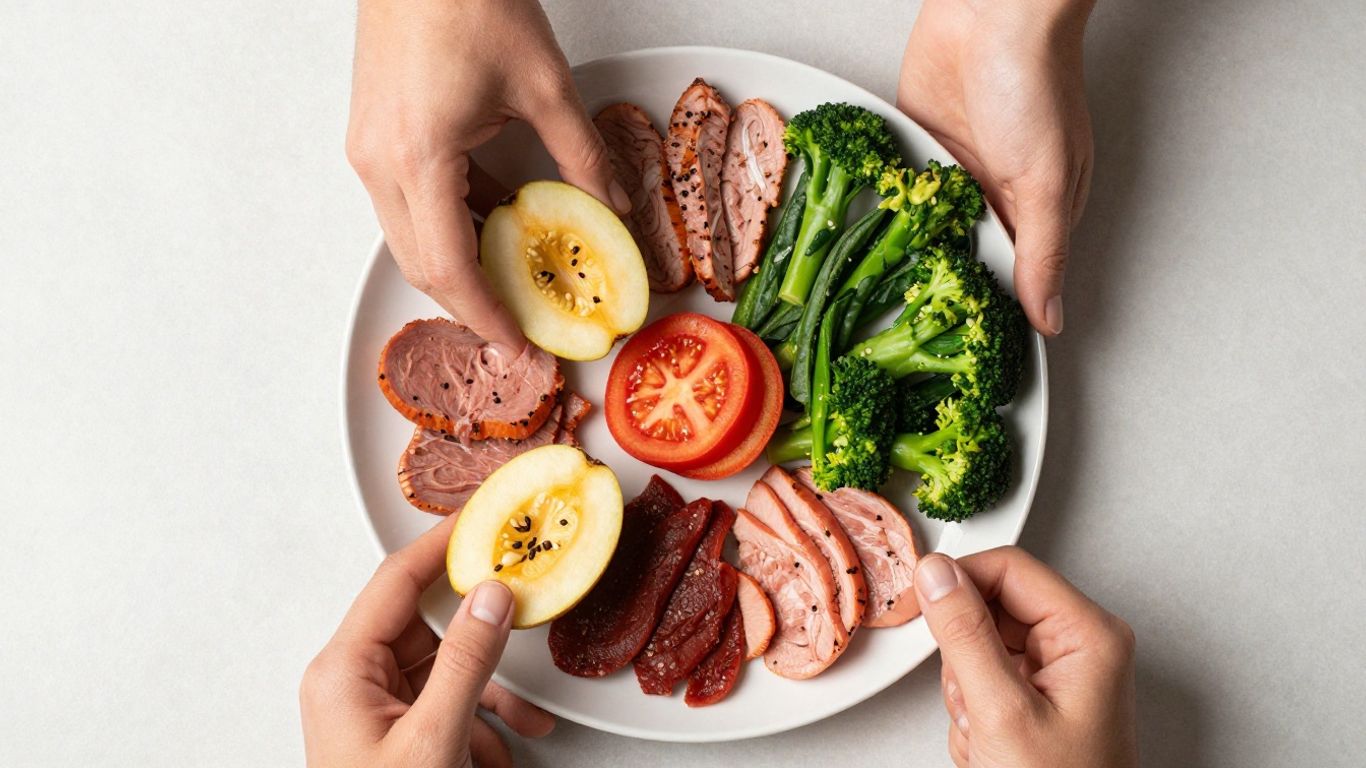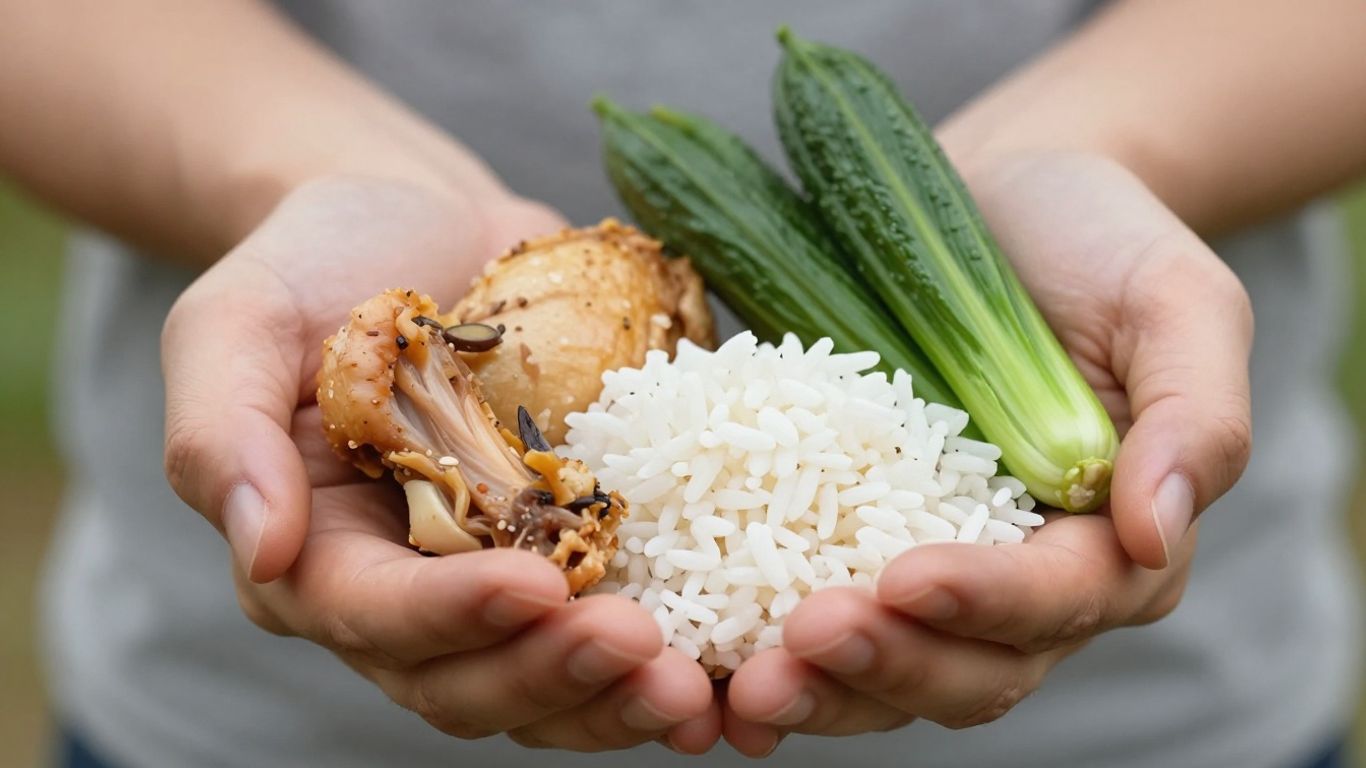
Forget the complicated apps and fancy scales. We’re talking about ‘meal math’ here, a way to get a handle on your food portions using simple, everyday tools. It’s about making smart choices without the stress. This approach helps you understand how much you’re eating, making it easier to reach your goals, whether that’s managing your weight or just eating a bit healthier. It’s practical, it’s easy, and it works.
Key Takeaways
- Your hands are a surprisingly accurate, portable tool for estimating portion sizes of protein, carbs, vegetables, and fats.
- The plate method offers a simple visual guide: fill half your plate with non-starchy vegetables, a quarter with lean protein, and a quarter with complex carbohydrates.
- Meal math can be adapted for various situations, including eating out and social gatherings, by estimating components or looking up restaurant information.
- This method is flexible and can be adjusted for different dietary preferences like low-carb, keto, or plant-based eating.
- Focus on consistency and progress rather than absolute perfection; meal math is a learning tool to build sustainable healthy habits.
Embracing Meal Math: A Practical Approach
![]()
Sometimes, the idea of tracking food can feel overwhelming. You might picture scales, apps, and endless lists of numbers. But what if there was a simpler way? Meal math is all about making portion control accessible, using everyday tools and visual cues instead of fancy gadgets. It’s a way to get a good handle on how much you’re eating without getting bogged down in details.
Understanding the Core Principles of Meal Math
At its heart, meal math is about building awareness. It’s not about perfect precision every single time, but about developing a feel for appropriate serving sizes. Think of it as learning a new skill, like riding a bike. At first, you might wobble a bit, but with practice, you find your balance. The main idea is to use visual guides and your own body as a reference point. This approach acknowledges that not everyone has access to scales or wants to be glued to their phone during meals. It’s about making nutrition practical for real life.
The Benefits of Simplified Portioning
Why bother with simplified portioning? For starters, it’s much less stressful. You can eat at a friend’s house, a restaurant, or even on the go without feeling lost. It also helps you connect more with your food and your body’s hunger signals. When you’re not constantly measuring, you can focus more on the taste and enjoyment of your meal. Plus, it’s a skill that sticks with you. Once you learn to estimate portions, you have that knowledge forever, unlike an app that might change or become outdated.
Setting Realistic Expectations for Accuracy
It’s important to be upfront: meal math isn’t going to give you exact calorie counts down to the last gram. Your body also absorbs nutrients differently based on things like gut health and how food is cooked. So, while meal math provides a solid framework, it’s not a substitute for medical-grade precision. The goal here is consistency and good estimation, not absolute accuracy. Think of it as aiming for a target rather than hitting a bullseye every single time. This balanced perspective helps prevent frustration and keeps you motivated on your journey.
Your Hands as a Personalized Measuring Tool
Forget the scales and apps for a moment. Your own hands are surprisingly effective tools for estimating portion sizes, and they’re always with you. This method is about using your hands as a visual guide, making portion control accessible anywhere, anytime. It’s a practical way to get a feel for how much you’re eating without getting bogged down in exact measurements.
The Palm of Protein: A Portable Guide
When it comes to protein, think of the palm of your hand. A portion of protein, like chicken, fish, or lean beef, is roughly the size of your palm. This is a great way to gauge how much protein you’re putting on your plate. It’s simple, visual, and requires no extra equipment.
Fistfuls of Fiber: Estimating Vegetable Servings
For vegetables, your closed fist is your guide. Aim for one to two fists of non-starchy vegetables at most meals. This helps ensure you’re getting a good amount of fiber and nutrients. Think of leafy greens, broccoli, or bell peppers – a generous fistful is a good starting point.
Carbohydrate Cupped Handfuls: A Quick Measure
Carbohydrates, like rice, pasta, or potatoes, can be estimated using a cupped handful. One to two cupped handfuls generally represents a serving. This is a handy way to keep your carb intake in check without needing measuring cups.
The Thumb of Fat: Gauging Healthy Fats
Healthy fats, such as nuts, seeds, or oils, are calorie-dense, so a little goes a long way. Use your thumb, from the tip to the base, as a measure for fats. One to two thumbs of fat is a good general guideline for a serving. This helps you add those beneficial fats without overdoing it. For example, a serving of nuts might be about the size of your thumb. This approach can be adapted for various dietary needs.
Remember, these are guidelines, not rigid rules. The goal is to build awareness and consistency, not to achieve perfect precision every single time. Your hands are a tool to help you learn what a balanced portion looks and feels like.
The Plate Method: Visualizing Balanced Meals
![]()
Sometimes, just looking at your plate can tell you a lot about whether your meal is balanced. That’s where the plate method comes in. It’s a simple visual guide that helps you build meals without needing any special tools. Think of it as a blueprint for a healthy plate.
Dividing Your Plate for Optimal Nutrition
The idea is pretty straightforward: use a standard-sized plate, usually around 9 or 10 inches in diameter, and mentally divide it into sections. This visual cue helps you allocate space for different food groups, promoting a good mix of nutrients in every meal. It’s a way to get a handle on portion sizes without getting bogged down in exact measurements. This approach is great for building meals that are satisfying and provide sustained energy throughout your day. It’s a practical way to approach healthy eating, especially when you’re looking for simple meal ideas.
Incorporating Lean Proteins and Vegetables
Start by filling half of your plate with non-starchy vegetables. These are your leafy greens, broccoli, peppers, tomatoes, and the like. They add volume, fiber, and a host of vitamins and minerals. The other half of your plate should be dedicated to lean protein. This could be chicken, fish, beans, tofu, or eggs. Protein helps you feel full and supports muscle health. Aim for about a palm-sized portion of protein, which generally aligns with this section of the plate.
Allocating Space for Complex Carbohydrates
Now, take one-quarter of your plate and fill it with complex carbohydrates. Think whole grains like brown rice, quinoa, or oats, as well as starchy vegetables like sweet potatoes or corn. These provide energy and fiber. It’s important to choose whole, unprocessed options whenever possible. This quarter section helps ensure you’re getting enough energy without overdoing it on refined carbs.
Mindful Addition of Healthy Fats
Finally, don’t forget healthy fats. These are important for hormone production and nutrient absorption. You don’t need a large portion; think about adding a small amount, like a tablespoon of olive oil for dressing, a few slices of avocado, or a sprinkle of nuts or seeds. These fats add flavor and satiety to your meal. The plate method is a flexible framework that can be adapted to various dietary needs and preferences, making it a versatile tool for healthy eating.
The plate method is less about hitting exact numbers and more about creating a balanced visual structure for your meals. It encourages variety and nutrient density, making healthy eating feel more intuitive and less like a chore.
Navigating Meal Math in Various Settings
Eating out or attending social gatherings can throw a wrench into even the best-laid meal plans. But with a little practice, you can adapt your portioning skills to these situations. The key is to remember that consistency is more important than absolute precision when you’re not in control of the kitchen.
Dining Out with Confidence
Restaurants often serve larger portions than we might prepare at home, and ingredients can be a mystery. When looking at a menu, try to break down the meal into its core components: protein, carbs, fats, and vegetables. Many restaurants now list nutritional information online, which can be a great starting point. If that’s not available, look for similar dishes with listed data or estimate based on your knowledge of common ingredients. For example, a burger is essentially meat, bun, cheese, and sauces. You can estimate the meat portion using your palm and gauge the bun and sauces based on previous experience. Don’t be afraid to ask for sauces on the side so you can control the amount you add. If you’re aiming to be conservative, slightly overestimate the fat content, as restaurant meals often have hidden fats. This approach helps you stay on track without needing a scale or app at the table. You can find resources to help with estimating restaurant macros.
Adapting Meal Math for Social Gatherings
Potlucks and parties present unique challenges. Since you’re often bringing a dish or choosing from a variety of homemade options, it’s helpful to have a general idea of the ingredients. If you’re bringing a dish, you can prepare it with your usual portioning awareness. When attending, try to fill half your plate with non-starchy vegetables first, then add a palm-sized portion of protein, and a cupped handful of carbohydrates. For desserts or richer dishes, treat them as a smaller addition rather than the main event. Remember, these are often occasional events, so focus on making mindful choices rather than striving for perfect accuracy. It’s okay to enjoy yourself and adjust your intake slightly for the rest of the day or week.
Estimating Portions When Labels Are Unavailable
This is where your hands become your best friends. Without a label, revert to the basic meal math principles. A palm-sized portion for protein, a fist for vegetables, a cupped handful for carbohydrates, and a thumb for healthy fats. This method works for almost any food. For multi-ingredient dishes like casseroles or stews, try to identify the primary components and estimate their proportions. For instance, if a casserole is mostly chicken and vegetables with a creamy sauce, estimate the chicken (palm), vegetables (fist), and then add a small amount for the sauce, perhaps using your thumb as a guide for the fat content. The goal is to get a reasonable estimate that aligns with your overall nutritional targets for the meal.
Adapting Meal Math to Dietary Preferences
Meal math isn’t a one-size-fits-all kind of thing. It’s actually pretty flexible, which is great because most of us have specific ways we like to eat, whether it’s for health reasons, personal beliefs, or just because we feel better on certain foods. The good news is, you can totally tweak the hand-portion method and the plate method to fit your own dietary style. It’s all about making the tools work for you, not the other way around.
Meal Math for Low-Carb and Ketogenic Diets
When you’re cutting back on carbs, like with keto or other low-carb approaches, the main idea is to shift your focus. Instead of a big portion of grains or starchy vegetables, you’ll be loading up more on protein and non-starchy veggies. Think of your palm of protein and your fistfuls of vegetables taking up more real estate on your plate. You might even reduce your cupped handful of carbs to just a small portion or skip it altogether, depending on how strict your carb goals are. For fats, your thumb of healthy fats is still important, but you might find you need a bit more to feel satisfied if you’re significantly reducing carbs. It’s about rebalancing what’s on your plate to meet your specific macronutrient targets.
- Protein: Increase palm size.
- Vegetables (non-starchy): Keep fistfuls generous.
- Carbohydrates: Significantly reduce or eliminate cupped handfuls.
- Fats: Adjust thumb size based on satiety and energy needs.
Integrating Meal Math with Plant-Based Eating
Going plant-based means your protein sources will look different, but the principles of meal math still apply. Your palm of protein might now be filled with things like lentils, beans, tofu, tempeh, or a plant-based protein powder. It’s important to ensure these plant-based proteins are substantial enough to fill that palm space. Your fistfuls of vegetables remain a cornerstone, and you can still use your cupped handful for complex carbs like quinoa, brown rice, or starchy vegetables. Healthy fats from sources like avocados, nuts, and seeds can be gauged with your thumb. The key is to be mindful of protein density in plant-based foods and to combine different sources to get a complete amino acid profile, which is something Kirsten shares a variety of recipes that can help with.
Adjusting Portions for Specific Macronutrient Goals
Sometimes, you might have specific targets for protein, carbs, or fats that aren’t strictly tied to a named diet. Meal math can help here too. If you know you need more protein, simply make your palm portion larger. If you’re aiming for fewer carbs, reduce your cupped handful. You can even think about swapping portions. For example, if you’re trying to lower fat intake, you might skip the thumb of fat at one meal and add an extra palm of protein or an extra cupped handful of carbs instead. It’s about making small, conscious adjustments to align your meals with your personal nutritional objectives. The goal is to build awareness around how much of each food group you’re consuming, making it easier to hit those numbers without needing a scale every single time.
The beauty of meal math is its adaptability. It’s not about rigid rules, but about using simple visual cues to guide your eating habits in a way that supports your individual dietary choices and health objectives. It’s a practical way to stay on track, no matter your preferred way of eating.
Remember, consistency is more important than absolute precision when you’re starting out. These visual guides are meant to make healthy eating more accessible and less intimidating, allowing you to enjoy your food while still being mindful of your portions.
Beyond Basic Portions: Handling Complex Foods
So far, we’ve talked about using your hands to measure whole foods like chicken breasts, broccoli, and sweet potatoes. But what happens when your meal isn’t so straightforward? Many common foods and drinks don’t fit neatly into the protein, carb, fat, or veggie categories. Let’s break down how to approach these more complex items.
Approaching Liquids and Dairy with Meal Math
Liquids can be a bit tricky. You’re not going to pour your milk into your cupped hand, right? For things like cow’s milk, yogurt, or kefir, it’s best to think about their main components. Since they often contain a mix of protein, carbs, and fat, you’ll need to decide which category they fit into best for your meal. For example, a serving of whole milk might lean more towards a fat portion, while a non-fat Greek yogurt could be counted as protein. It really depends on the specific product and what you’re trying to balance in your meal. Even alcohol can be factored in; a standard glass of wine or beer can be estimated as one cupped hand of carbs or one thumb of fat. More complex or sweetened alcoholic drinks might count as two portions.
Addressing Multi-Ingredient Foods
This is where things get interesting. Think about casseroles, stews, or even a loaded salad. When you’re faced with a dish made of many ingredients, the best approach is to make your best guess. Look at the main components and try to estimate the proportions of protein, carbs, and fats. If a stew seems heavy on the meat and potatoes, you’d count those accordingly. If it’s a bit light on veggies, consider adding a side salad. The goal is to get a good mix of nutrients, and with these kinds of meals, it’s okay to approximate. For foods you eat regularly, like a specific soup or chili, try to establish a consistent way of measuring it so you can track your intake over time. This consistency is key for making progress towards your health goals.
Consistency in Gauging Cooked vs. Uncooked Foods
One of the most common questions is whether to measure your food before or after cooking. The simple answer is: measure it as you’re about to eat it. For foods that are typically cooked, like meat, pasta, or rice, use your hand portion after it’s cooked. If you’re eating something raw, like a salad or raw veggies, measure it raw. This method works whether you’re at home, at a restaurant, or at a friend’s house. While there’s a difference in calorie and nutrient density between cooked and uncooked versions of some foods, this level of detail is usually only critical for individuals with very specific physique or performance goals, like competitive bodybuilders. For most people aiming for general health and well-being, measuring your food as it appears on your plate is perfectly adequate. It’s all about making the process practical and sustainable for your daily life.
When dealing with complex foods, the aim isn’t absolute precision, but rather a consistent estimation that helps you build awareness. It’s about getting a general sense of your intake so you can make informed choices meal by meal.
The Role of Awareness in Meal Math
Meal math isn’t just about slapping your hand on a plate and calling it a day. It’s about building a better connection with your food and understanding what you’re actually putting into your body. Think of it as a learning process, not a strict set of rules you have to follow perfectly every single time. The more you practice, the more you’ll start to see the portions and the nutritional makeup of your meals without even thinking about it.
Building a Foundation of Food Knowledge
Before you can really get the hang of meal math, it helps to have a basic idea of what’s in your food. You don’t need to be a nutritionist, but knowing that chicken breast is mostly protein, or that avocados are packed with healthy fats, makes estimating much easier. It’s like learning the alphabet before you can write a book. When you start paying attention, you’ll notice patterns. For example, you might realize that most restaurant salads come with a lot more dressing than you actually need, or that a standard serving of rice is smaller than you thought.
- Protein sources: Lean meats, fish, beans, tofu.
- Carbohydrate sources: Grains, starchy vegetables, fruits.
- Fat sources: Nuts, seeds, oils, avocado.
- Vegetables: Non-starchy options like leafy greens, broccoli, peppers.
Using Meal Math as a Learning Experience
Don’t get discouraged if your first few attempts at meal math aren’t spot on. The goal here is progress, not immediate perfection. Each meal is an opportunity to learn. If you’re trying to manage your weight, for instance, using these portioning frameworks can help you get a general idea of your intake without the stress of constant weighing or app tracking. It’s about developing an intuitive sense for what a balanced meal looks like for you. This awareness can even extend to how you feel after eating; you might start noticing how certain portion sizes affect your energy levels or digestion. This is a great way to support overall wellness.
The real value of meal math lies in its ability to make you more mindful of your food choices. It’s a tool that helps you build a healthier relationship with eating, moving away from rigid tracking and towards a more natural understanding of nourishment.
Focusing on Progress, Not Perfection
It’s easy to get caught up in trying to be exact, but that’s not the point of meal math. Think of it as a guide, not a dictator. Some days, you might be spot on, and other days, your estimates might be a little off. That’s completely fine. The key is consistency over time. If you’re eating out, for example, and you can’t quite nail the portion size of your meal, just do your best to estimate. Overestimating slightly, especially with fats, can be a good strategy to stay on track without obsessing over exact numbers. The more you practice, the better your estimations will become, and you’ll start to feel more confident in your ability to manage your portions wherever you are.
When Precision Matters: Advanced Considerations
While the beauty of Meal Math lies in its simplicity and adaptability, there are indeed times when a more dialed-in approach becomes necessary. For most people aiming for general health and well-being, the hand-portion method or the plate method offers plenty of accuracy. However, certain goals or circumstances call for a higher degree of precision.
Recognizing Limitations for Elite Athletes
For individuals pushing the boundaries of physical performance, like professional athletes or competitive bodybuilders, slight inaccuracies in portioning can have a noticeable impact. These athletes often operate on very specific nutritional strategies to optimize performance, recovery, and body composition. Their training regimens are intense, and their bodies demand precise fuel. In these cases, relying solely on visual estimation might not be enough. They might need to track macronutrients more closely, perhaps using a food scale for critical meals or when preparing for a competition. This isn’t to say Meal Math is useless for them, but it might serve as a starting point or a way to estimate portions when a scale isn’t available, rather than the primary method.
Understanding Individual Absorption Variability
It’s also worth noting that how our bodies absorb and utilize nutrients can vary. Factors like genetics, gut health, and even the specific foods we eat can influence this. While Meal Math provides a solid framework for intake, it doesn’t account for these internal biological differences. For someone trying to fine-tune their diet for specific health outcomes, understanding that their individual absorption might differ from the average can be important. This is where more detailed tracking, perhaps over a period, can offer insights. Paying attention to how different foods make you feel and perform can be just as informative as the portion size itself.
The Value of Initial Detailed Tracking
Even if your long-term goal is to use simpler methods like Meal Math, there’s immense value in a period of more detailed tracking upfront. This could involve using a food scale and an app for a week or two. Why? It builds a strong foundation of knowledge. You learn what a
Integrating Meal Math with Lifestyle Goals
Meal math isn’t just about counting calories or hitting macros; it’s about making your eating habits work for you, fitting into the life you want to live. Whether you’re aiming to shed a few pounds, build muscle, or simply feel more energetic day-to-day, this practical approach to portioning can be a game-changer. It’s about creating a sustainable way of eating that supports your broader objectives without feeling like a chore.
Supporting Weight Management Through Portion Control
When weight management is the goal, understanding portion sizes is key. Meal math offers a simple, visual way to manage intake. By using your hands as a guide, you can consistently create meals that align with your calorie needs without needing to constantly weigh or measure. This makes it easier to stick to your plan, even when life gets busy. The goal is consistency, not rigid perfection.
- Start Small: Focus on getting one meal right each day using meal math. Once that feels natural, expand to two meals, and then eventually all meals.
- Visualize Balance: Use the plate method to ensure your meals are balanced, with plenty of vegetables and lean protein, which helps with satiety.
- Listen to Your Body: Meal math helps you tune into hunger and fullness cues, which is vital for long-term weight management.
Over time, consistently applying meal math principles can lead to a natural reduction in overall calorie intake, supporting weight loss efforts without the stress of constant tracking. It builds a foundation for healthier eating habits that can last.
Fueling Fitness with Balanced Meal Math
For those focused on fitness, meal math helps ensure you’re getting the right fuel for performance and recovery. It’s about aligning your nutrient intake with your training demands. For example, you might adjust your carbohydrate portions based on your workout schedule, a concept known as carb periodization. This ensures you have energy for tough sessions and support muscle repair afterward. You can find more tips on maximizing energy with lunch-break walks and smart eating strategies.
- Pre-Workout Fuel: A cupped handful of complex carbs can provide sustained energy.
- Post-Workout Recovery: A palm of protein helps repair muscle tissue.
- Hydration: Don’t forget liquids! Water is key, but other beverages can also contribute to your goals.
Sustaining Healthy Habits Long-Term
Ultimately, meal math is about building habits that stick. It’s a flexible system that adapts to your lifestyle, making healthy eating feel less like a diet and more like a natural part of your day. By focusing on visual cues and simple estimations, you reduce the barriers to eating well, making it easier to maintain your progress and enjoy your food. This approach is about creating a positive and lasting transformation of your relationship with food.
- Adaptability: Adjust your portions based on activity levels or specific goals.
- Mindfulness: Pay attention to how different foods make you feel.
- Enjoyment: Find joy in preparing and eating balanced meals.
Making Meal Math Work for You
Starting with a Single Meal or Day
Jumping into a whole new way of thinking about food can feel like a lot. Don’t feel like you have to overhaul everything overnight. A really practical way to start is by focusing on just one meal. Pick your breakfast, lunch, or dinner, and apply the meal math principles there. See how it feels to estimate your protein palm, your veggie fist, and your carb handful. Or maybe you want to try the plate method for just one meal. This focused approach lets you get comfortable with the concepts without feeling overwhelmed. Once you’ve got the hang of one meal, you can gradually expand to a full day, and then eventually, your whole week. It’s about building confidence step-by-step.
Consistency Over Absolute Accuracy
Remember, the goal here isn’t to be a human food scale. It’s about developing a sense for portion sizes that works for you. Life happens, and sometimes you won’t have perfect control over your food. Maybe you’re at a potluck, or a restaurant where the portions are just… a lot. Instead of stressing about hitting exact numbers, focus on being consistent with your estimations most of the time. If you know a typical serving of rice is a cupped handful, and you end up with a slightly bigger or smaller one, that’s okay. The overall pattern of your eating habits is what truly matters for long-term results. Think of it like this:
| Scenario | Meal Math Estimation | Outcome |
|---|---|---|
| Ideal Home Meal | Palm of protein, Fist of veggies, Cupped handful of carbs | Close to target |
| Restaurant Meal (Slightly larger portions) | Slightly larger palm, fist, handful | Still within a reasonable range |
| Social Gathering (Generous portions) | Exaggerated palm, fist, handful | Acknowledges the situation, adjusts for next meal |
The beauty of meal math is its flexibility. It’s a tool to guide you, not a rigid set of rules to trap you. Embrace the imperfections and keep moving forward.
Finding Joy in Your Food Choices
Ultimately, meal math is about making healthy eating more accessible and less stressful. It’s about empowering you to make informed choices without needing fancy gadgets or constant app checking. As you practice estimating portions, you’ll start to notice patterns and gain a better intuition for what a balanced meal looks like. This process can actually lead to a more enjoyable relationship with food. Instead of feeling restricted or constantly worried about ‘doing it wrong,’ you can feel more in control and confident. Pay attention to how different foods make you feel, and let that guide your choices. When you find a rhythm that works for you, and you’re not stressed about every single bite, you’re much more likely to stick with it. And that’s the real win.
Figuring out how to eat right doesn’t have to be a puzzle. Our "Making Meal Math Work for You" section breaks down healthy eating into simple steps, making it easy to understand and follow. Stop guessing and start succeeding with your health goals. Ready to simplify your journey to a healthier you? Visit our website today for easy-to-follow tips and guidance!
Putting It All Together
So, we’ve explored a few ways to get a handle on how much we’re eating without needing fancy gadgets or constant app checks. Whether you’re using your hand as a handy guide, dividing up your plate, or just getting a general sense of things, the main idea is to build awareness. It’s not about being perfect every single meal, but about creating a good habit that helps you stay on track with your nutrition goals. Remember, these methods are flexible and can fit into different eating styles. The goal is to find a system that works for you, making healthy eating feel less like a chore and more like a natural part of your day. Give these simple strategies a try, and see how they can help you feel more confident about your food choices.
Frequently Asked Questions
What exactly is ‘Meal Math’?
Meal Math is a simple way to figure out how much food to eat without needing fancy scales or phone apps. Think of it like using your hands or your plate to get a good idea of your food portions. It’s all about making healthy eating easier and more natural.
How accurate are hand measurements for food portions?
Using your hands is surprisingly accurate, about 95% as good as weighing your food! Since nutrition labels can sometimes be a bit off anyway, this method is great for most people. Your hands are always with you, and they’re naturally sized for your body, making them a super handy guide.
Can I use hand portions for different types of diets, like keto or plant-based?
Absolutely! Meal Math, especially with hand portions, can be adjusted for almost any eating style. Whether you’re eating low-carb, plant-based, or something else, you can tweak the hand guides to fit your specific food choices and goals. It’s all about making it work for you.
Should I measure my food portions before or after cooking?
You should measure your food portions *after* they are cooked, for foods that change size when cooked, like meat or rice. For foods you eat raw, like veggies, you measure them raw. The idea is to measure what actually ends up on your plate.
What if a food doesn’t fit neatly into the protein, carb, or veggie categories?
Some foods, like dairy or mixed dishes, can be tricky. For dairy, you might look at the fat or carb content to decide how to count it. For meals with many ingredients, try to break them down into their main parts and estimate the portions for each. Don’t stress too much; it’s about getting a good estimate.
How do I use Meal Math when I eat out at restaurants?
Eating out can be easier than you think! Many restaurants have their nutrition info online. If not, try to find a similar meal on their menu or break down your dish into its main parts (like chicken, rice, veggies) and estimate the portion sizes using your hands or the plate method. It won’t be perfect, but it’s a great way to stay on track.
Is Meal Math good for athletes or people with very specific body goals?
While Meal Math is fantastic for most people, elite athletes or those with extreme body composition goals might need a more precise method, like detailed tracking with apps or scales. Hand portions are a great starting point and very useful, but for top-tier performance, extra detail might be required.
What’s the main benefit of using Meal Math instead of apps?
The biggest plus is simplicity and convenience! You don’t need to carry a scale or constantly check your phone. Meal Math uses your own body and a visual plate guide, making it easy to manage portions anywhere, anytime. It helps build a natural understanding of how much you’re eating without the hassle.