

Life gets messy, right? Some days, just getting out of bed feels like a win. We all have those times when sticking to a big health plan feels impossible. That’s where the idea of a minimums list comes in. It’s not about doing everything perfectly, but about doing just enough to keep moving forward, even when things are tough. Think of it as your personal backup plan for when your usual energy levels just aren’t there. It’s about finding those small, doable actions that make a difference, no matter how rough the day is.
Key Takeaways
- The minimums list is your go-to plan for health habits on difficult days, focusing on small, achievable actions.
- Designing your minimums list means creating realistic steps that fit your actual life, not an ideal one.
- Small wins add up; consistently hitting your minimums list builds confidence and momentum.
- Hydration, sunlight, rest, and gentle movement are core elements that can be scaled down for tough days.
- Relying on a well-designed minimums list reduces the need for motivation and makes healthy choices more automatic.
Embrace Your Minimums List

Why a Minimums List is Essential
Look, we all have those days. The ones where getting out of bed feels like a marathon, and the idea of a full workout or a perfectly balanced meal seems like something from another planet. It’s easy to feel like a failure when you can’t keep up with your usual routine. But here’s the thing: your health doesn’t have to take a nosedive just because life gets messy. That’s where a "Minimums List" comes in. It’s not about aiming for perfection; it’s about setting a baseline of small, doable actions that keep you moving forward, even when everything else feels like it’s falling apart. These are the non-negotiables for your well-being, the tiny habits that act as your safety net.
Designing for Real Life
Most health advice feels like it’s written for a different universe – one with unlimited time, energy, and perfect conditions. But we live in the real world. We have jobs, families, commutes, unexpected bills, and sometimes, just plain old bad days. Your Minimums List needs to acknowledge this. It should be built around what’s actually possible for you, right now, in your life. Think about the small things that genuinely make a difference without adding a huge burden. It’s about lowering the bar just enough so you can step over it, rather than tripping.
Here’s a quick way to think about it:
- What’s the absolute least I can do for my physical health today? (e.g., drink one glass of water, step outside for 5 minutes)
- What’s the absolute least I can do for my mental health today? (e.g., take three deep breaths, listen to one song you love)
- What’s the absolute least I can do for my emotional well-being today? (e.g., send one text to a friend, write down one thing you’re grateful for)
The Power of Small Wins
It sounds almost too simple, right? Just doing one small thing. But the cumulative effect is huge. Every time you hit one of your minimums, you get a little win. These aren’t grand victories, but they add up. They build momentum and, more importantly, they build confidence. You start to see that you can still take care of yourself, even on the toughest days. This consistency, no matter how small the action, is what truly makes a difference over time. It’s the difference between feeling defeated and feeling capable.
Relying on motivation is like waiting for a bus that might never come. Designing your habits around what’s achievable, even when you don’t feel like it, is like building your own bike – you can get where you need to go on your own terms.
Hydration Habits for Tough Days
When you’re feeling drained, the last thing you might think about is drinking water. But honestly, it’s one of the simplest things you can do to help yourself feel a bit better. Dehydration can really mess with your energy levels and make it harder to focus, which is the opposite of what you need on a tough day.
The Simple Act of Sipping Water
It sounds almost too easy, right? Just drink water. But on days when everything feels like a struggle, even remembering to take a sip can be a challenge. The goal here isn’t to chug a gallon, but to make some water accessible and to take small, regular sips. Think of it as a gentle nudge to your system. Even a few sips every hour can make a difference. It’s about consistency, not quantity, especially when you’re feeling overwhelmed.
Making Water Accessible
This is where design comes in. If water isn’t easy to get to, you’re less likely to drink it. So, let’s make it simple:
- Keep a bottle or glass nearby: Put it on your desk, on the coffee table, or next to your bed. If it’s right there, you’ll see it and remember.
- Use a marked bottle: Sometimes, seeing how much you’ve drunk can be motivating. A bottle with time markers can help you pace yourself without much thought.
- Infuse it if you’re bored: If plain water feels like a chore, add a slice of lemon, cucumber, or a few mint leaves. It adds a little something without adding sugar.
Water’s Role in Energy and Focus
Your brain is mostly water, so when you’re even a little bit dehydrated, it can feel like it’s running on low power. You might notice yourself feeling sluggish, getting headaches, or finding it hard to concentrate on tasks. Staying hydrated helps keep those systems running smoothly. It’s not a magic cure for a bad day, but it’s a foundational piece that supports your body and mind when they’re under stress. Think of it as giving your brain the fuel it needs to just get through the day.
When you’re feeling low on energy or struggling to focus, reach for water before anything else. It’s a low-effort, high-impact way to support your body’s basic functions. Don’t underestimate the power of simple hydration.
Sunshine as a Mood Booster
Ten Minutes of Morning Light
Getting some sun first thing in the morning can really make a difference, even if it’s just for a few minutes. It’s not about getting a tan or anything, but more about signaling to your body that it’s time to wake up and get going. This natural light helps regulate your internal clock, which can lead to better sleep later on and a more stable mood throughout the day. Think of it as a gentle nudge to start your day on a positive note.
Sun Safety Considerations
While sunshine is great, we still need to be smart about it. Depending on where you are and the time of year, the sun can be pretty strong. It’s a good idea to be aware of UV index levels and take precautions if you’re going to be out for longer periods. This might mean wearing a hat, sunglasses, or using sunscreen, especially during peak hours. The goal is to get the benefits without the downsides.
Connecting with Nature Daily
Making time to be outside, even briefly, can be really grounding. It doesn’t have to be a big hike or anything. Just stepping outside for a few minutes, noticing the sky, feeling the breeze, or listening to the birds can shift your perspective. It’s a simple way to break away from screens and indoor routines, offering a moment of calm and connection to the world around you. This daily dose of nature can really help reset your mind.
Prioritizing Rest and Sleep
Creating a Wind-Down Routine
Look, we all know sleep is important. It’s not just about feeling less tired; it’s about your brain actually working right, your mood staying steady, and your body repairing itself. But on those tough days, when everything feels like a rush, actually getting good sleep can seem impossible. That’s where a wind-down routine comes in. It’s not about adding another thing to your to-do list, but about creating a buffer zone between the chaos of your day and the quiet you need to actually rest. Think of it as a gentle signal to your body and mind that it’s time to switch gears.
Navigating Sleep Disruptions
Life happens, right? Maybe the power goes out right when you’re trying to sleep, or a family member needs something late at night. These disruptions can throw off your whole sleep schedule, and it’s easy to feel frustrated. Instead of aiming for perfect, uninterrupted sleep every single night, focus on getting back on track as quickly as possible. If you wake up unexpectedly, try not to stress about it. Sometimes just acknowledging that it’s a tough night and giving yourself some grace can make a difference. Remember, a single disrupted night doesn’t ruin your progress.
The Importance of Consistent Rest
Consistency is key, even when it feels hard. This doesn’t mean you have to go to bed at the exact same minute every night, but having a general rhythm helps your body’s internal clock. Aim for a regular bedtime and wake-up time, even on weekends, as much as your life allows. This helps regulate your sleep-wake cycle, making it easier to fall asleep and wake up feeling more refreshed. Even small, consistent efforts in prioritizing rest can lead to big improvements in how you feel day-to-day.
Here’s a simple wind-down routine you can try:
- Dim the lights: Lower the lighting in your home an hour or so before bed. This signals to your brain that it’s time to wind down.
- Put away screens: The blue light from phones, tablets, and TVs can mess with your sleep. Try to avoid them for at least 30 minutes before you plan to sleep.
- Gentle activity: Read a book, listen to calm music, do some light stretching, or take a warm bath. Whatever helps you relax.
- Journal or reflect: Jot down any worries or thoughts that are keeping you up. Getting them out of your head and onto paper can be surprisingly helpful.
Sleep isn’t a luxury; it’s a biological necessity. When we’re running on empty, our ability to cope with stress, think clearly, and even regulate our emotions takes a serious hit. Prioritizing rest, even in small ways, is an investment in your overall well-being and resilience.
Gentle Movement for Well-being
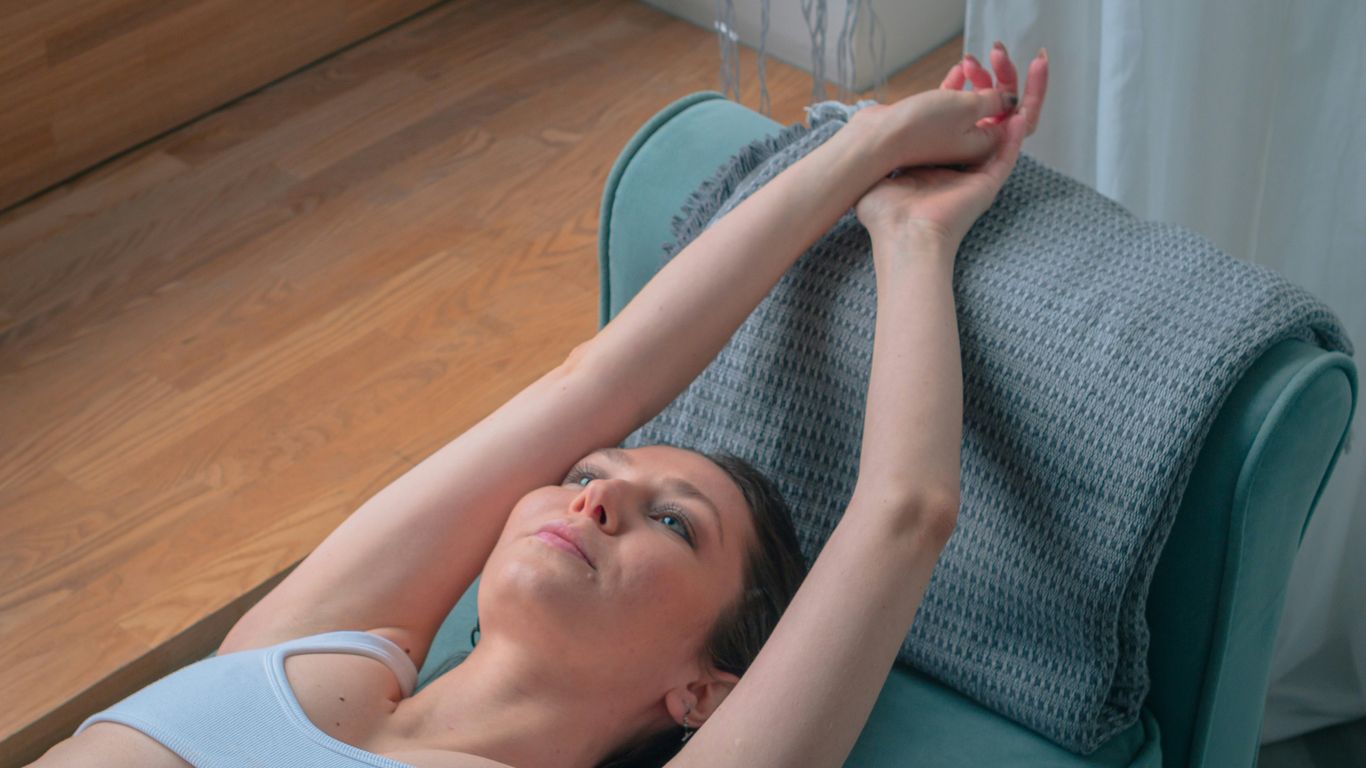
Short Walks for Mental Clarity
Even on days when you feel like you can’t do much, a short walk can make a surprising difference. It doesn’t need to be a marathon or even a brisk jog. Just stepping outside for ten to fifteen minutes can help clear your head. Think of it as a mini-reset button for your brain. The change of scenery, even if it’s just around the block, can break the cycle of feeling stuck. Plus, getting your blood moving a little can help shake off that sluggish feeling that often comes with tough days.
Adapting Exercise to Limitations
Life happens, and sometimes our bodies can’t keep up with our plans. Maybe you’re dealing with an old injury, feeling under the weather, or just plain exhausted. That’s okay. The goal isn’t to push through pain or exhaustion, but to find movement that works for you right now. If a run feels like too much, try a gentle stroll. If lifting weights is out, focus on stretching or bodyweight exercises you can manage. It’s about finding what’s possible, not what’s perfect.
Here are a few ideas for adapting movement:
- Stretching: Focus on simple stretches for your neck, shoulders, and back. Hold each stretch for 20-30 seconds.
- Chair Exercises: Many exercises can be done while seated, like leg raises, arm circles, or seated marches.
- Gentle Yoga/Pilates: Look for beginner or restorative classes online that focus on slow, controlled movements.
- Household Chores: Even activities like light gardening or tidying up can count as movement.
The Brain Chemistry of Movement
It’s not just about your muscles; moving your body actually changes your brain. When you engage in physical activity, even light movement, your brain releases chemicals like endorphins. These are natural mood lifters and can help reduce feelings of stress and anxiety. It’s like a built-in system to help you feel better. So, when you’re having a rough day, remember that a little bit of movement can genuinely shift your mental state, making things feel a bit more manageable.
The key is to keep it simple and accessible. Don’t aim for a full workout if that feels impossible. Instead, focus on small, achievable bursts of activity that fit into your day without adding extra stress. Consistency, even in small doses, builds momentum and confidence.
Mindful Check-ins and Accountability
Daily Intentions with Simple Prompts
Sometimes, just getting through the day feels like a win. That’s where a simple check-in comes in. It’s not about judging yourself; it’s about noticing what’s happening. Think of it like a quick text message to yourself, or a note in a journal. You don’t need a fancy app or a complicated system. Just a moment to ask: ‘What’s one small thing I can do today?’ or ‘How am I feeling right now?’ This simple act can help you connect with your needs and set a gentle intention for the hours ahead. It’s about acknowledging your reality without adding pressure.
Community Support for Small Wins
Sharing your minimums list, even just one item, with a friend or a small group can make a big difference. It’s not about having someone police you, but about having a buddy who gets it. Maybe you text a friend, ‘Just had my water!’ or ‘Stepped outside for 5 minutes.’ They can text back a simple ‘Nice!’ or a thumbs-up emoji. This kind of low-stakes connection can be surprisingly motivating. It reminds you that you’re not alone in trying to build these habits, and it celebrates those tiny victories that often go unnoticed.
Tracking Progress Without Pressure
Forget those rigid trackers that make you feel guilty if you miss a day. For your minimums list, think simpler. A basic calendar where you put a sticker or a checkmark for each day you hit at least one of your minimums is often enough. Or, maybe just a mental note. The goal isn’t a perfect streak; it’s about building a pattern of showing up for yourself, even in small ways.
Here’s a simple way to think about it:
- Did I do at least one thing from my list today? (Yes/No)
- How did that one thing make me feel? (Briefly, e.g., ‘a little better,’ ‘calmer,’ ‘accomplished’)
- What’s one thing I can try tomorrow? (Keep it simple!)
The real power of tracking your minimums isn’t about collecting data; it’s about building a narrative of resilience. Each checkmark, no matter how small, is a testament to your effort on a difficult day. It shows you that even when things are tough, you can still take a step forward.
This approach helps you see progress not as a straight line, but as a series of small, consistent efforts. It builds confidence over time, proving that you can stick with things, one tiny step at a time.
Overcoming Habit Formation Hurdles
Relying Less on Motivation
Look, motivation is a fickle friend. It shows up when you’re feeling good, when you’ve had enough sleep, and when life isn’t throwing curveballs. But on those tough days? Motivation often packs its bags and leaves. Trying to build habits solely on motivation is like building a house on sand. It’s going to crumble when the tide comes in. Instead, we need to shift our focus from feeling like doing something to designing our lives so that doing it becomes the path of least resistance.
Designing for Consistency
This is where the real magic happens. Instead of waiting for inspiration to strike, we need to set up our environment and routines so that the desired behavior happens almost automatically. Think about it: you probably don’t need a pep talk to brush your teeth, right? That’s because it’s built into your routine and made easy. We can apply this to our minimums list. Make it ridiculously simple. If your minimum is drinking a glass of water, put a glass by your bedside the night before. If it’s ten minutes of sunlight, position your favorite chair near a window.
- Lower the barrier to entry: Make the habit as easy as possible to start.
- Increase the friction for unwanted habits: Make it harder to do the things you want to avoid.
- Use environmental cues: Set up your surroundings to remind you and prompt the behavior.
Building Automatic Routines
The goal is to make these small health behaviors so ingrained that they require almost no thought. This is how we move from a "should" to a "do." It takes time and repetition, but by consistently showing up for your minimums, even when you don’t feel like it, you’re training your brain. You’re building new neural pathways. Over time, these actions become less of a conscious effort and more of a natural part of your day. It’s about creating a system that supports you, rather than relying on your willpower, which we know can be unreliable.
The trick isn’t to be a superhero every day. It’s to have a system that works even when you feel like a regular person, or even a tired, grumpy regular person. That’s the real win.
Contextualizing Health Advice
Local Conditions and Constraints
It’s easy to find health advice online or in magazines that sounds great in theory, but doesn’t quite fit your actual life. Think about it – a plan that requires an hour at the gym every morning might be impossible if you live somewhere with limited facilities or if your commute eats up most of your day. We all have unique circumstances, and what works for one person might be a total non-starter for another. Your environment and daily realities matter a lot.
Consider things like:
- Access to resources: Do you have safe places to walk? Is fresh produce readily available and affordable where you live? Are there local community centers or parks?
- Time constraints: How long is your commute? What are your work hours like? Do you have family obligations that take up a lot of your time?
- Climate and weather: Extreme heat, cold, or rain can make outdoor activities difficult or even unsafe. This might mean needing indoor alternatives.
- Cultural norms: Some health practices might fit better with your cultural background than others.
The goal isn’t to find the perfect health plan, but one that actually works for you, right now. It’s about making small, doable adjustments that respect the life you’re already living.
Tailoring Habits to Your Reality
Once you’ve thought about the external factors, it’s time to get personal. What are your own energy levels like throughout the day? Are you a morning person, or do you hit your stride in the evening? What kind of activities do you genuinely enjoy, even just a little bit? Trying to force yourself to do something you dislike is a recipe for burnout. It’s much more effective to build habits around what you can and will do.
For example, if you hate running but enjoy dancing, maybe your "gentle movement" minimum is a 15-minute dance party in your living room. If you struggle to drink enough water, maybe keeping a fun, reusable bottle right on your desk or bedside table makes it easier. It’s about finding those little tweaks that make the habit feel less like a chore and more like a natural part of your day.
Avoiding One-Size-Fits-All Approaches
This is where the "minimums list" really shines. Instead of aiming for a grand, sweeping lifestyle overhaul that feels impossible, we’re focusing on the absolute basics. These are the non-negotiables that provide a foundation, even when everything else feels chaotic. Think of it like this:
| Health Behavior | Standard Advice | Minimums List Approach |
|---|---|---|
| Hydration | Drink 8 glasses of water daily | Sip water whenever you think of it, keep a bottle nearby |
| Movement | 30 minutes of exercise 5x/week | A 5-minute walk or stretch break |
| Sleep | 7-9 hours of quality sleep | Aim for a consistent bedtime, even if sleep is broken |
Trying to follow generic advice when you’re already overwhelmed is like trying to build a skyscraper during an earthquake. It’s just not going to work. Your minimums list is your personal earthquake-proof foundation – small, sturdy, and built for your specific ground.
The Minimums List in Action
Integrating Small Steps Seamlessly
So, you’ve got your minimums list. Maybe it’s just three things: drink a glass of water first thing, walk around the block, and jot down one thing you’re grateful for. The trick isn’t just having the list; it’s making it feel like a natural part of your day, even when things are rough. Think about how you automatically brush your teeth or grab your keys before leaving the house. We want your minimums to become that kind of automatic. Try pairing them with existing habits. For example, put your water bottle right next to your coffee maker, or set a reminder on your phone to do your gratitude jotting right after you finish your lunch. It’s about weaving these small actions into the fabric of your routine so they don’t feel like extra chores.
Feeling Accomplished, Not Overwhelmed
When you’re having one of those days where just getting out of bed feels like a marathon, ticking off even one item from your minimums list can be a huge win. It’s not about perfection; it’s about progress. Instead of looking at the mountain of things you didn’t do, focus on the small hill you did climb. This shift in perspective is key. It helps combat that feeling of being completely derailed.
Here’s a quick way to reframe your day:
- Acknowledge the difficulty: "Today is tough, and I’m feeling it."
- Identify your minimums: "What are the 1-3 things I can realistically do right now?"
- Execute one minimum: "Okay, I just drank that glass of water."
- Recognize the win: "Great, I did one thing. That’s something."
This simple process helps build momentum and prevents a bad day from spiraling.
Building Confidence Through Consistency
Consistency is where the real magic happens with your minimums list. It’s not about doing them perfectly every single day, but about showing up for yourself as often as you can. Each time you manage to hit one of your minimums, even on a rough day, you’re sending a powerful message to yourself: "I can handle this." Over time, these small, consistent efforts build a reservoir of confidence. You start to trust that you have the tools to get through difficult periods without completely falling apart. It’s like building a muscle; each repetition makes you stronger.
The goal isn’t to eliminate bad days, but to have a reliable strategy for navigating them without losing all your hard-won progress. Your minimums list is that strategy.
Sustaining Your Minimums List
Adjusting for Unexpected Events
Life happens, right? Sometimes, even the simplest "minimums" can feel impossible. That’s where flexibility comes in. Instead of seeing a missed minimum as a total failure, think of it as a signal to adjust. Maybe your "ten minutes of sunshine" turns into "five minutes looking out the window" if you’re stuck inside. Or perhaps "a short walk" becomes "stretching for two minutes" if you’re feeling really drained. The goal isn’t rigid adherence; it’s about finding some way to honor your well-being, even when things go sideways.
The Long-Term Benefits of Small Efforts
It’s easy to dismiss these small actions as insignificant, but over time, they really add up. Think of it like saving a little bit of money each day. It might not seem like much, but a year later, you’ve got a decent chunk saved. The same goes for your health habits. Consistently sipping water, getting a bit of light, moving your body gently, and resting when you can builds a foundation. These small, repeated wins chip away at stress and build resilience, making those tough days a little less overwhelming.
Making Your Minimums List a Lifeline
Your minimums list isn’t just a to-do list; it’s a support system. It’s there to catch you when you stumble. When you’re feeling completely swamped or just plain exhausted, referring back to your list can provide a clear, manageable path forward. It reminds you that you can do something, even if it’s just one small thing. This can be a real confidence booster and help prevent a downward spiral.
Here’s a quick way to think about adapting:
- Assess: How am I feeling right now?
- Adapt: What’s the absolute smallest version of my minimum I can manage?
- Act: Do that one small thing.
Don’t let perfection be the enemy of good enough. On difficult days, "good enough" is often a huge victory.
Keeping your "minimums list" in check is key to staying on track. Think of it as your personal guide to what really matters for your health goals. It’s all about making smart choices that stick. Ready to build a list that works for you? Visit our website to learn how to create and maintain your own sustaining minimums list!
Keep It Simple, Keep It Going
Look, nobody’s perfect, and some days are just plain hard. That’s okay. The whole point of this ‘minimums list’ isn’t to add more pressure, but to give you a little bit of grace on those tough days. It’s about picking just one or two small things that feel doable, even when everything else feels like too much. Think of it as a gentle nudge, not a demand. You’re already doing a lot, and these tiny actions can add up over time. Don’t beat yourself up if you miss a day or two. Just pick up where you left off when you can. The goal is progress, not perfection, and showing up for yourself in these small ways is a big win.
Frequently Asked Questions
What exactly is a “Minimums List”?
Think of a “Minimums List” as your go-to plan for the days when everything feels too hard. It’s a short list of really simple, healthy things you promise yourself you’ll do, no matter what. It’s not about doing everything perfectly, but about doing just enough to keep moving forward.
Why is having a Minimums List important?
Life throws curveballs, and on tough days, it’s easy to feel overwhelmed and do nothing. A Minimums List helps you avoid that. It gives you small, achievable goals that make you feel good about yourself, preventing you from falling completely off track and helping you build confidence.
How do I create my own Minimums List?
Start by thinking about super simple healthy actions that make a difference for you. Maybe it’s drinking one glass of water, stepping outside for five minutes, or doing ten gentle stretches. The key is to pick things that are easy to do even when you have zero energy.
Can you give examples of Minimums for tough days?
Sure! Some easy ones could be: Drink a full glass of water first thing. Get 5 minutes of sunlight. Take a 10-minute walk. Do 5 deep breaths. Write down one thing you’re grateful for. The goal is small, simple wins.
What if I can’t even do my Minimums?
That’s okay! The list is there to guide you, not to make you feel guilty. If even the smallest thing feels impossible, just acknowledge that you’re having a really hard day. Be kind to yourself. Maybe your minimum for that day is just resting. Tomorrow is a new chance.
How does drinking water help on a tough day?
Water is like a secret weapon for your body and brain! Staying hydrated helps you feel more awake, think clearer, and can even lift your mood a little. Having water easily available, like a bottle on your desk, makes it easier to take those sips.
Is getting sunlight really that important?
Yes! Even a little bit of natural light, especially in the morning, can really help your body clock and boost your mood. It’s like a natural pick-me-up. Just remember to be safe and protect your skin if you’re out for longer.
How does gentle movement help when I feel awful?
Moving your body, even just a little bit like a short walk, sends happy chemicals to your brain. It can help reduce stress, clear your head, and make you feel less sluggish. You don’t need a full workout; just a little bit of movement can make a big difference.