Bean Cooking Science: salt, acid, and time for perfect texture
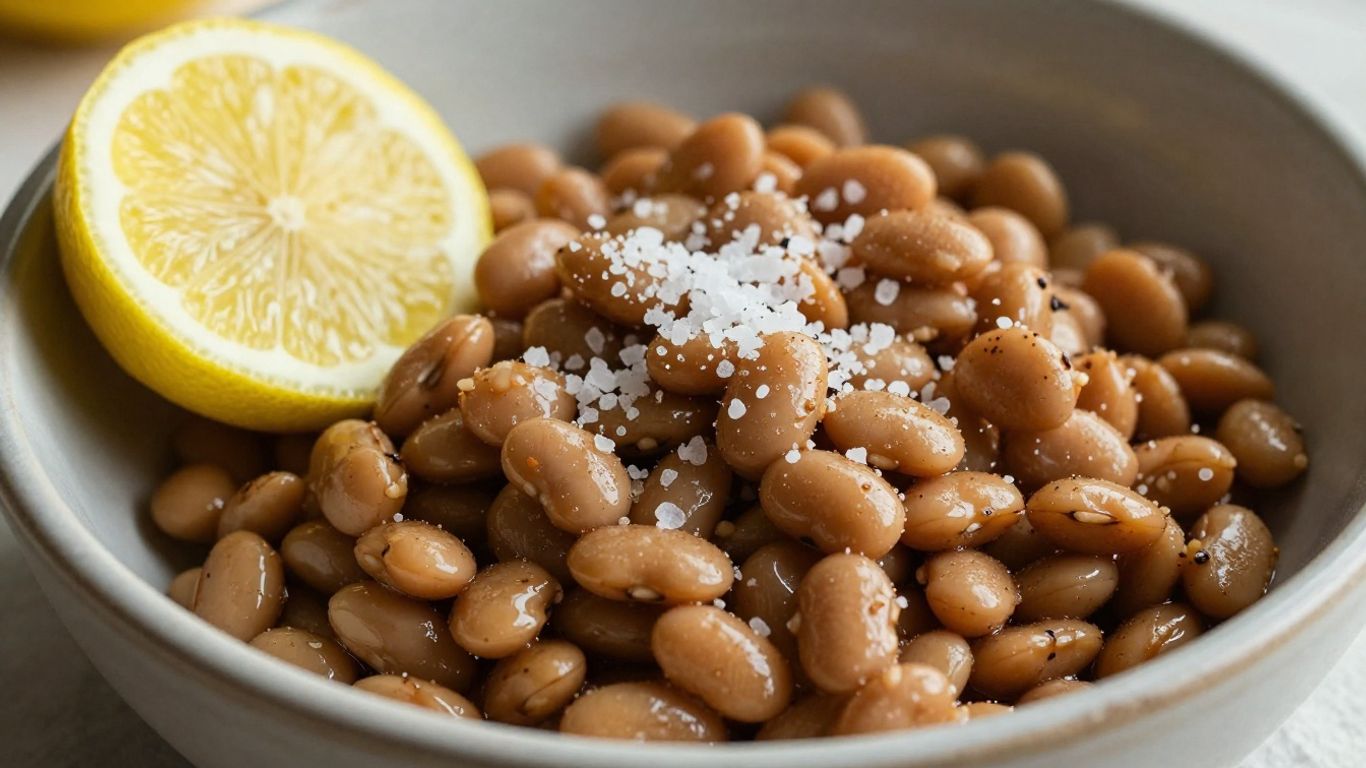
Perfect home-cooked beans come down to four things: fresh-enough dried beans, a soak (ideally in lightly salted water), gentle simmering … Read more

Guidance on balanced diets, meal planning, and understanding the role of nutrition in achieving and maintaining a healthy weight.
Perfect home-cooked beans come down to four things: fresh-enough dried beans, a soak (ideally in lightly salted water), gentle simmering … Read more
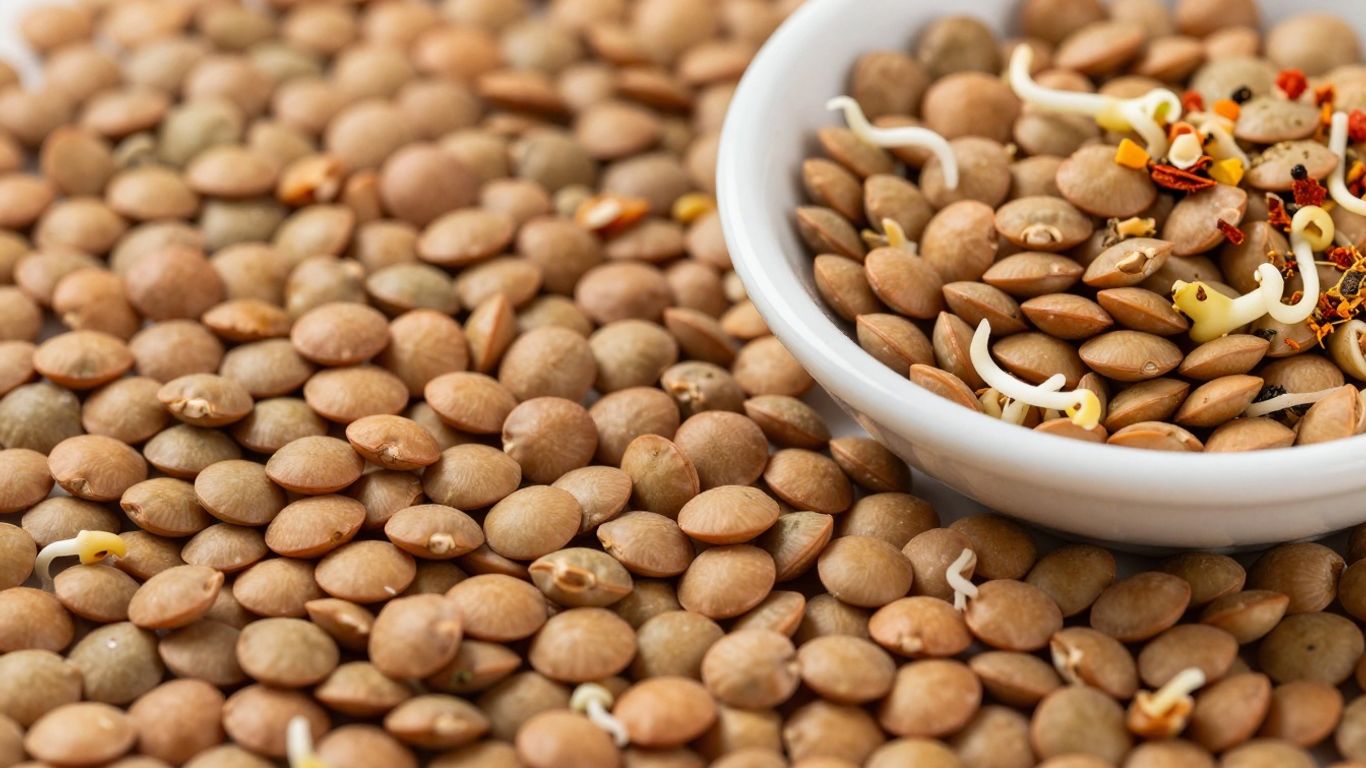
Lentils are one of the fastest, cheapest protein-and-fibre foods you can cook, and they don’t need soaking. If they leave … Read more
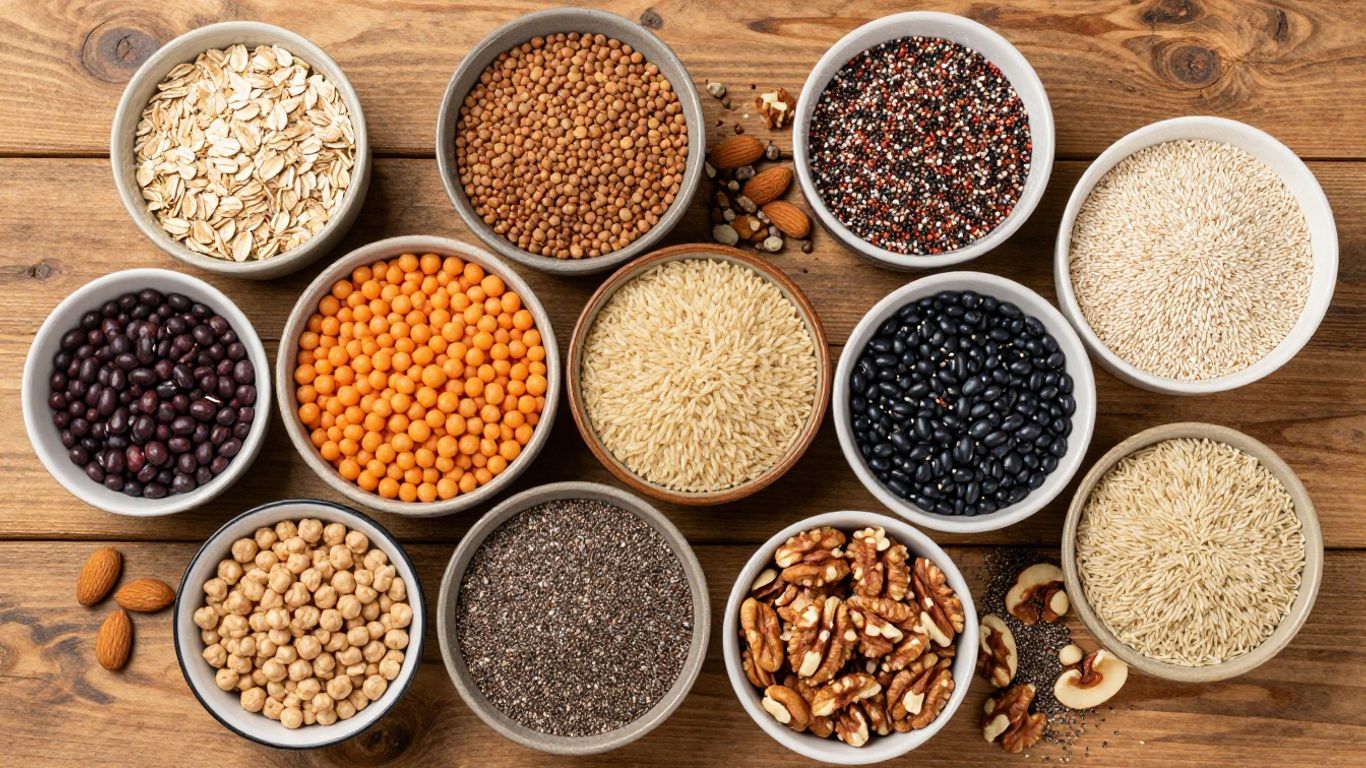
You can eat plenty of vegetarian protein without leaning on tofu and soy milk at every meal. Pulses (lentils, beans, … Read more
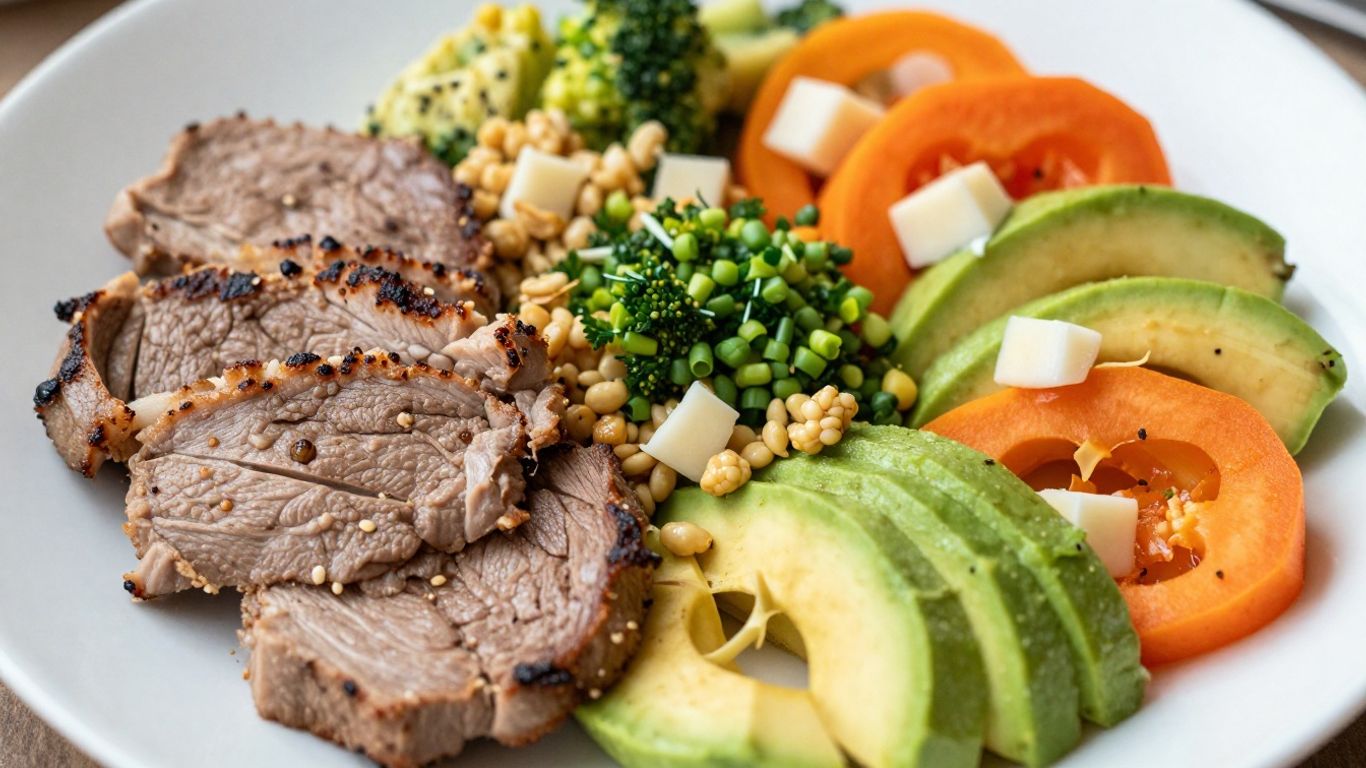
Glucose pairing means eating carbohydrate foods alongside protein, fibre and a little healthy fat, so the meal digests more slowly … Read more
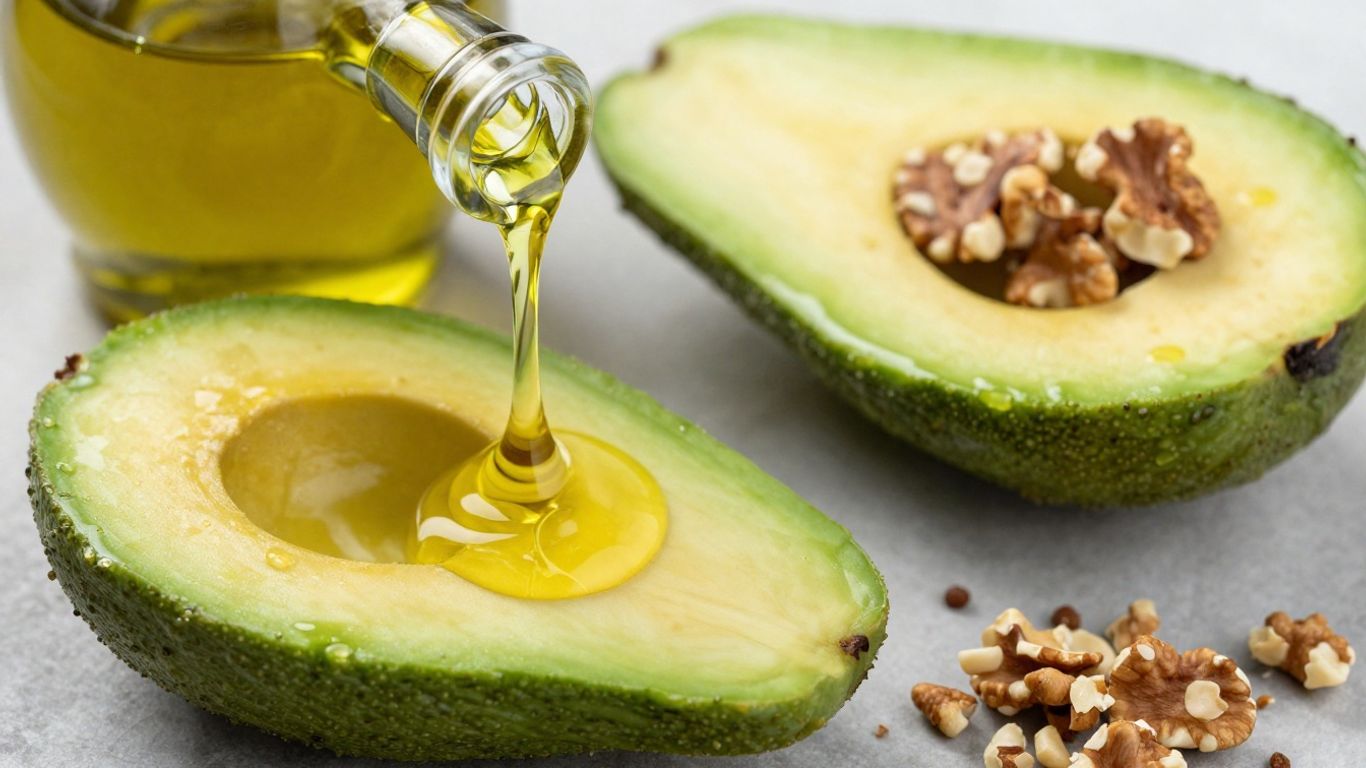
A fat quality upgrade means swapping foods high in saturated and trans fats for foods rich in unsaturated fats, with … Read more

Carb periodization means adjusting how much carbohydrate you eat to match the demands of each day: more on long or … Read more
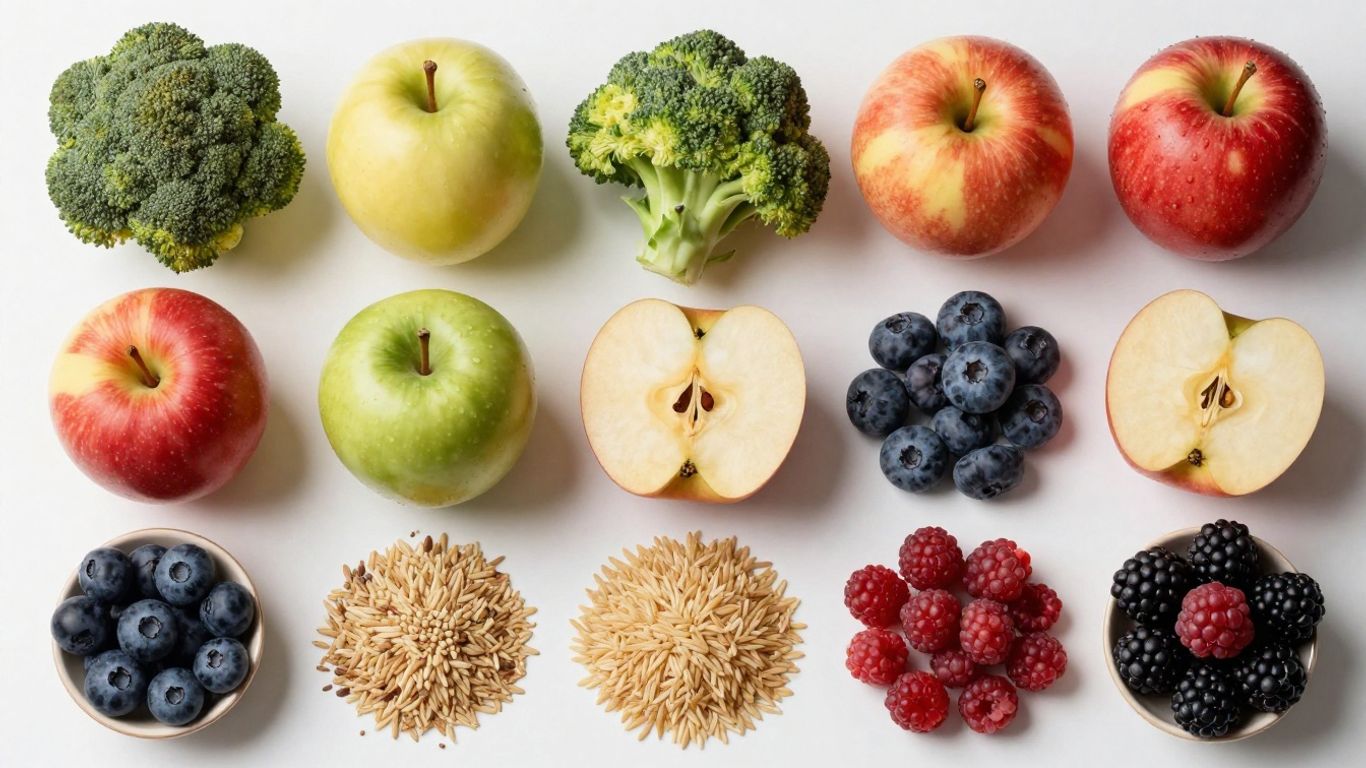
Most everyday bloating comes from gas produced when gut bacteria ferment certain carbohydrates, from swallowed air, from constipation, or from … Read more

A satisfying breakfast without eggs is easy once you swap in other protein sources: Greek yogurt, cottage cheese, milk or … Read more

Circadian meal timing means eating more of your food earlier in the day and keeping evening meals lighter and earlier, … Read more
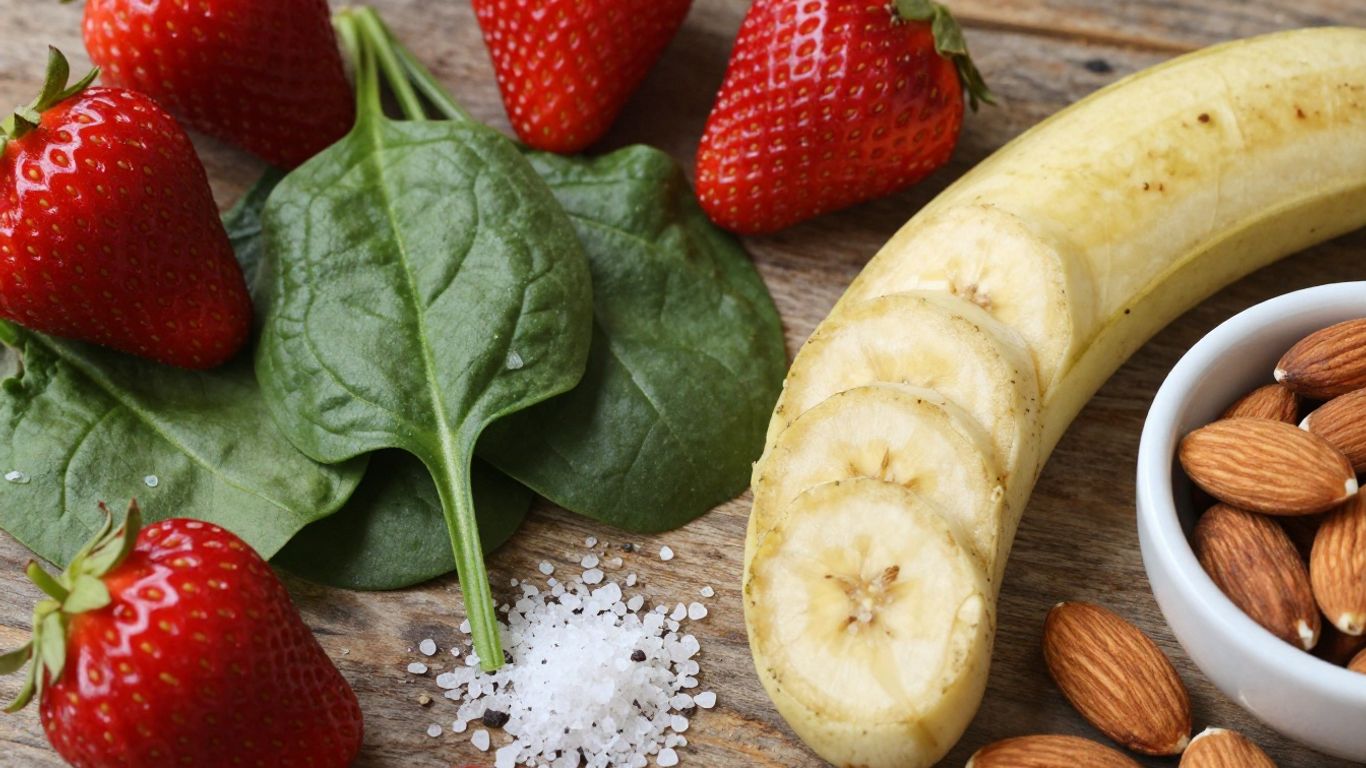
Most people can meet their sodium, potassium and magnesium needs from everyday food and water, without sports drinks or electrolyte … Read more